
Fire safety is a critical aspect of building management that should never be overlooked.
In this article, we will explore the significance of fire safety and delve into the world of NFPA certification.
Discover the 5 unconventional techniques that can provide superior protection for your building, including fire-resistant building materials and advanced fire suppression systems.
Learn how these techniques can enhance fire safety by increasing fire resistance, improving evacuation procedures, and ensuring compliance with industry standards.
Find out why implementing these techniques is essential for the safety of your building and how you can easily incorporate them into your fire safety measures.
Key Takeaways:
- Unconventional techniques like advanced extraction labs booth certification can greatly enhance fire safety in buildings.
- Fire-resistant building materials, advanced suppression systems, and automated detection and alarm systems are key factors in improving fire safety.
- Implementing these techniques not only complies with industry standards, but also ensures the safety of occupants and minimizes damage in case of a fire.
The Importance of Fire Safety

Ensuring fire safety is paramount in any environment, be it residential, commercial, or industrial. NFPA Certification plays a crucial role in validating the adherence to national safety standards, NFPA certification is critical across various industries, including advanced extraction labs, to ensure compliance with fire safety standards.
It is essential to recognize that fire incidents can have devastating consequences, not just in terms of property damage but also in terms of human lives. While NFPA Certification is essential for validating safety practices, a comprehensive fire safety strategy also includes tailored risk assessments, proactive safety management, and ongoing staff training. Safety is a multifaceted challenge that requires more than certification alone.
Leveraging technologies offered by Advanced Extraction Labs can significantly reduce the likelihood of fires breaking out and spreading. While advanced fire detection and suppression systems significantly enhance safety, their effectiveness can depend on factors such as installation quality, maintenance, and specific environmental conditions. A comprehensive safety strategy includes regular system evaluations and updates.
What is NFPA Certification?
NFPA Certification, issued by the National Fire Protection Association, signifies compliance with rigorous safety standards and regulations set forth by the organization. It ensures that the structure or equipment meets the necessary criteria for safety and compliance.
These certifications play a crucial role in various industries, including construction, manufacturing, healthcare, and more, where safety is paramount. Obtaining NFPA Certification is a crucial step in demonstrating a commitment to safety, but achieving the highest levels of fire safety often requires adopting additional measures beyond the minimum standards. Continuous risk assessment and safety education are essential components of a holistic fire safety strategy. Adhering to NFPA standards not only mitigates risks of fire hazards but also enhances overall operational efficiency.
What are the 5 Unconventional Techniques for Superior Protection?
Incorporating established and evolving fire safety technologies, such as fire-rated booths and advanced fire suppression systems, plays a vital role in enhancing safety measures. Continuous improvements in these technologies reflect ongoing efforts to adapt to changing safety requirements and risks. What’s considered standard safety measures in high-risk industries, including the use of fire-rated booths and advanced suppression systems, represents the integration of best practices and compliance with safety standards. These measures are continually updated to reflect current risks and technologies, precise LEL Gas Detection, and strategic hazard mitigation strategies.
Fire Rated Booths play a vital role in containing and preventing fires in facilities where hazardous materials are present. These specially designed structures are built to withstand high temperatures and provide a safe environment for personnel and assets.
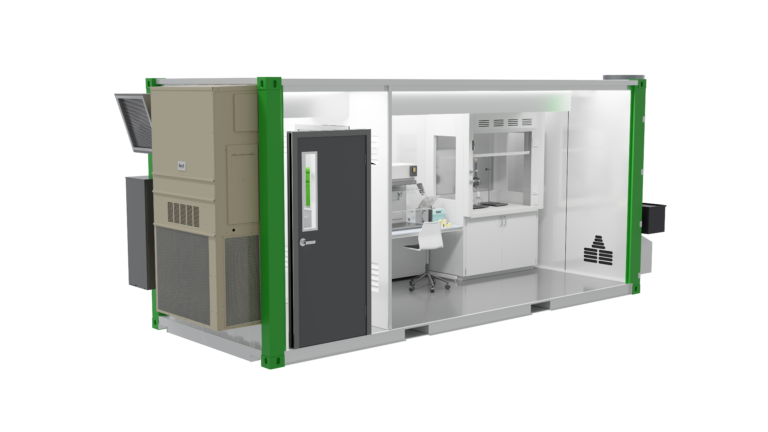
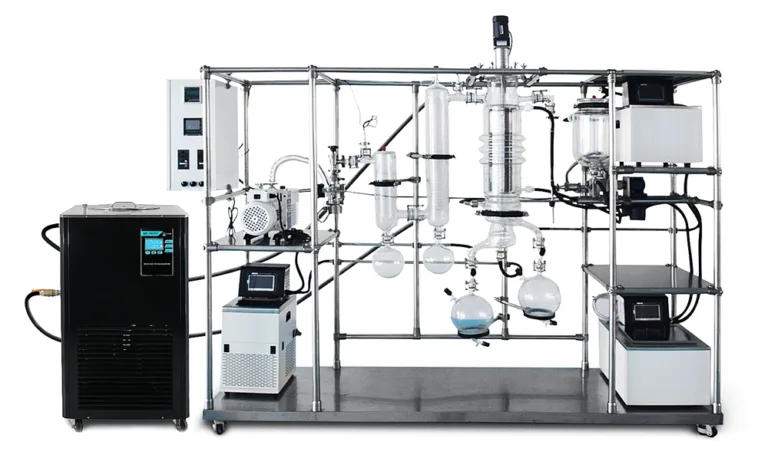
Advanced Extraction Labs utilize state-of-the-art ventilation and filtration systems to remove potentially harmful substances from the air, ensuring a clean and safe working environment for occupants.
Fire Suppression Systems, such as sprinklers and chemical agents, are crucial in swiftly extinguishing fires and minimizing damage to property and lives.
LEL Gas Detection technology is essential for early gas leak detection, allowing for timely interventions to prevent accidents and ensure occupational safety.
Implementing strategic hazard mitigation strategies involves assessing risks, developing emergency response plans, and training personnel to handle potential threats effectively.
Fire-Resistant Building Materials
Utilizing fire-resistant building materials is essential in constructing structures that can withstand and mitigate fire hazards effectively. Blast-resistant buildings offer additional protection against explosions, while ensuring safety protocols for handling combustible materials are in place.
Fire-resistant materials play a crucial role in safeguarding buildings from the devastating impact of fires, providing valuable time for evacuation and minimizing property damage. In the context of blast-resistant buildings, the use of specialized materials reinforces the structure against shockwaves and debris in the event of an explosion.
Implementing stringent safety protocols concerning combustible materials further enhances the overall fire safety measures within a building. When these materials are integrated into the construction process, they not only bolster resilience but also contribute significantly to the longevity and durability of the structure.
Advanced Fire Suppression Systems

Employing advanced fire suppression systems equipped with high-efficiency filtration mechanisms and explosion relief panels is crucial for swift and effective fire containment. These systems work cohesively to minimize fire damage and enhance overall safety measures within the environment.
High-efficiency filtration systems integrated into these fire suppression mechanisms play a critical role in capturing harmful particles and preventing the spread of fire. By effectively filtering out smoke and toxic gases, they help maintain a safer atmosphere for occupants. The inclusion of explosion relief panels ensures that excess pressure is released in controlled manners, reducing the risk of structural damage and, most importantly, protecting lives. These innovative features not only curb the fire’s impact but also pave the way for rapid emergency response and containment strategies.
Automated Fire Detection and Alarm Systems
Automated fire detection and alarm systems are vital components of any safety protocol, ensuring prompt alerting in the event of a fire emergency. These systems adhere to stringent NEC Standards and are equipped with features such as chemical spill containment capabilities for optimal safety.
The importance of these systems lies in their ability to detect fires early and mitigate potential damages swiftly. By incorporating advanced technology, automated fire detection and alarm systems can pinpoint the exact location of a fire, allowing for quicker responses from emergency services. The integration of features like smoke and heat detectors ensures comprehensive coverage within the facility.
Fire-Safe Room Design
Designing fire-safe rooms with task-specific lighting and temperature-controlled environments contributes significantly to enhancing safety measures. These features aid in maintaining visibility and optimizing environmental conditions to prevent fire hazards and ensure swift evacuation protocols.
Proper lighting is essential as it not only enables individuals to see clearly but also helps in identifying exits and obstacles during emergencies. Temperature control plays a crucial role in creating a comfortable and safe environment for occupants in case of a fire outbreak, allowing them to think clearly and act decisively. By combining these elements, fire-safe rooms are effectively equipped to minimize panic, support fast decision-making, and enhance overall safety for occupants.
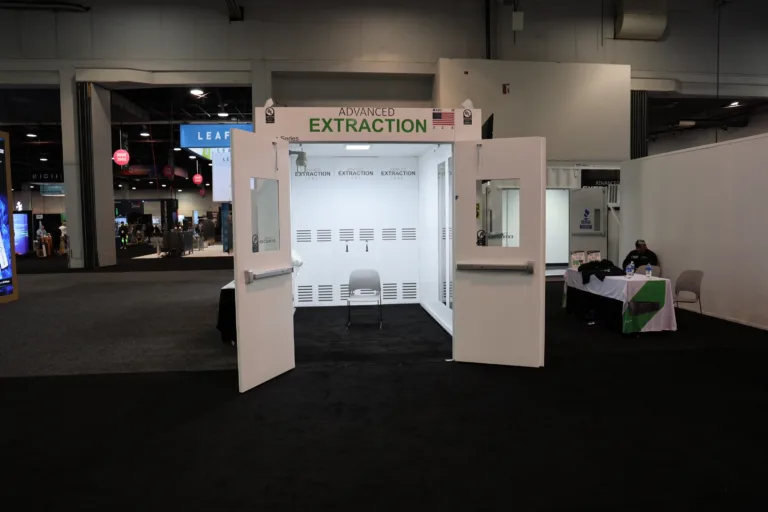
Advanced Extraction Labs Booth Certification
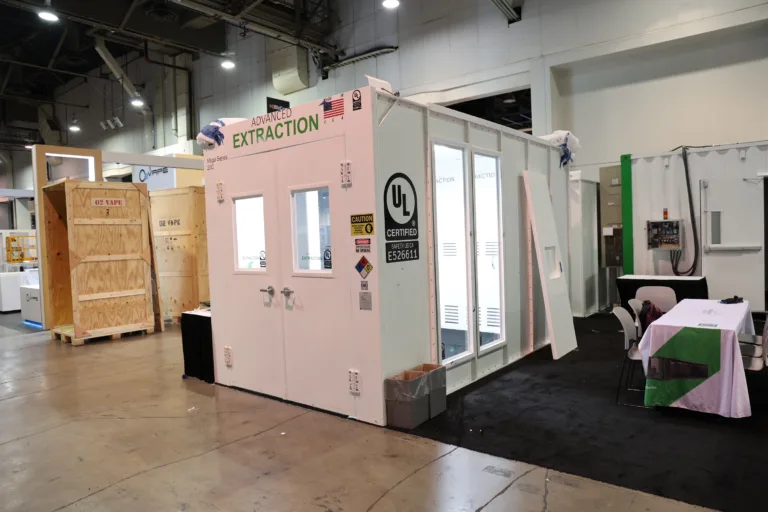
Obtaining Advanced Extraction Labs Booth Certification, especially from UL Listed Laboratories, validates the compliance with industry standards and ensures the safe operation of extraction facilities. This certification signifies the implementation of top-tier safety features and protocols within the extraction environment.
The Advanced Extraction Labs Booth Certification serves as a hallmark of excellence for companies seeking to demonstrate their commitment to safety and quality. By undergoing rigorous testing and evaluation at UL Listed Laboratories, extraction facilities can showcase their adherence to stringent safety guidelines.
Integrating cutting-edge technologies and strict operational protocols, this certification underscores the importance of safety culture in the extraction industry. It instills confidence in regulators, consumers, and stakeholders about the facility’s dedication to upholding the highest standards.
How Do These Techniques Improve Fire Safety?

The implementation of these techniques elevates fire safety standards by reducing ignitable concentrations, leveraging industrial-grade extraction systems for optimal hazard control and mitigation. These methods collectively enhance the overall safety infrastructure and preparedness for fire-related incidents.
By implementing these advanced techniques, the risk of fire outbreaks is significantly reduced as ignitable concentrations are minimized, and the use of industrial-grade extraction systems ensures swift and effective mitigation of potential hazards. This proactive approach not only minimizes the likelihood of fire incidents but also reinforces safety protocols within the infrastructure.
Increased Fire Resistance
Enhanced fire resistance achieved through the use of fire rated booths and explosion-proof fans significantly reduces the vulnerability of structures to fire incidents. These proactive measures bolster overall safety and ensure a higher level of protection against potential fire hazards.
Integrating fire-rated booths and explosion-proof fans into building design and operations is a strategic move that goes beyond mere compliance with safety regulations. The implementation of these safety measures not only meets legal requirements but sets a higher standard for structural resilience in the face of fire emergencies. By fortifying the defenses of the building against fire, the risk of harm to occupants and the property itself is effectively minimized, offering peace of mind and security to those within the premises.
Enhanced Fire Suppression Capabilities
Enhanced fire suppression capabilities, through meticulously designed systems and advanced control system configurations, give the power to efficient firefighting responses. These systems optimize fire containment strategies and minimize damage potential in the event of fire emergencies.
Utilizing state-of-the-art technologies, modern fire suppression systems function seamlessly to detect and extinguish fires swiftly. The integration of sophisticated control system designs allows for real-time monitoring and automatic response mechanisms, ensuring rapid and targeted firefighting actions. By incorporating intelligent sensors and advanced algorithms, these systems can preemptively address potential fire hazards, enhancing overall safety measures. Through their proactive approach, these innovations revolutionize traditional firefighting practices and significantly improve the effectiveness of emergency response protocols.
Early Detection and Response
Early detection and response mechanisms, supported by peer-reviewed design standards and advanced solvent detection systems, play a pivotal role in minimizing fire-related risks. These proactive measures enable swift intervention and mitigation of fire incidents before they escalate.
Implementing such early detection and response mechanisms is essential in ensuring the safety and security of various facilities and properties. By adhering to stringent design standards and utilizing innovative solvent detection systems, organizations can significantly reduce the likelihood of catastrophic fire events. These measures not only help in detecting potential fire hazards promptly but also provide a foundation for quick and effective response strategies. Through the integration of cutting-edge technologies and robust protocols, these systems contribute to a proactive approach in enhancing overall fire safety preparedness.
Improved Evacuation and Containment
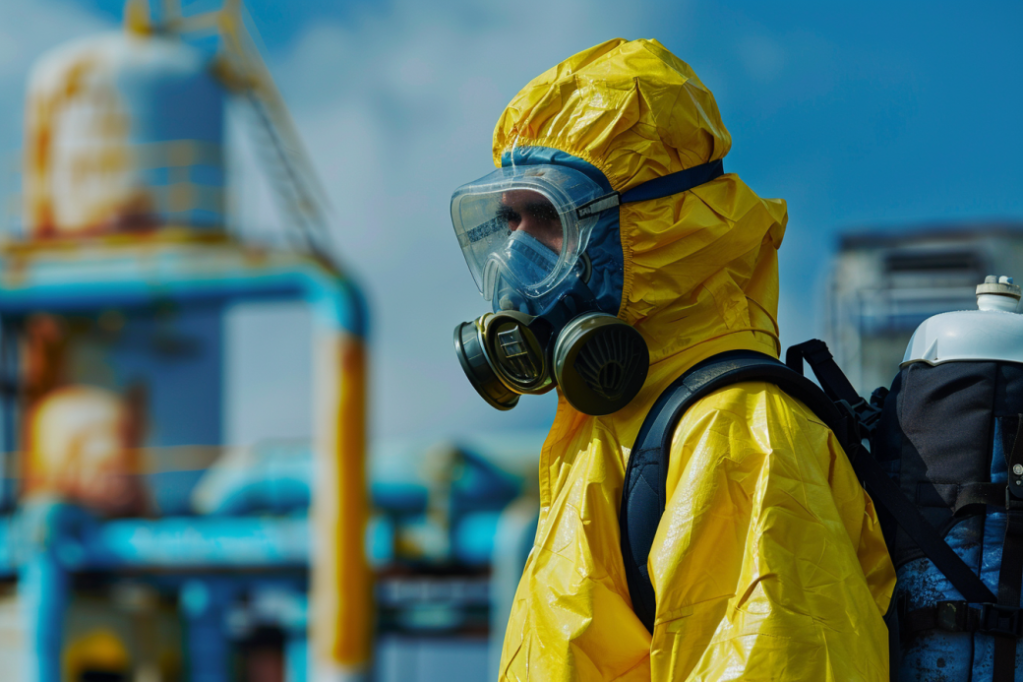
Enhanced evacuation and containment protocols, complemented by effective alarm systems for labs and mobile solvent storage solutions, optimize safety responses during fire incidents. These measures streamline evacuation procedures and ensure the safe storage of hazardous materials.
By ensuring that alarm systems for labs are well-integrated with evacuation protocols, emergency situations can be swiftly identified and responded to.
The availability of mobile solvent storage options provides flexibility and ease in relocating hazardous materials away from danger zones, enhancing containment efforts.
Through these streamlined evacuation procedures and secure storage practices, the safety response mechanisms are continuously improved, minimizing risks and maximizing readiness in the face of potential emergencies.
Compliance with Industry Standards
Ensuring compliance with industry standards, including NFPA Certification, entails meticulous hazardous material handling practices and custom lab design considerations. Adhering to these standards guarantees optimal safety measures and regulatory alignment within the operational environment.
By implementing precise hazardous material management practices in accordance with NFPA Certification, organizations can effectively mitigate potential risks associated with handling hazardous substances. Tailored lab design strategies play a crucial role in ensuring the seamless integration of safety features, emergency response protocols, and containment measures.
Compliance with industry standards not only fosters a culture of safety but also enhances operational efficiency. Organizations that prioritize adherence to NFPA Certification demonstrate a commitment to protecting employees, assets, and the surrounding environment from potential hazards.
Why Should You Consider These Techniques for Your Building?
Considering the implementation of these techniques for your building is imperative to fortify fire safety measures comprehensively. Turnkey system solutions and customizable lab spaces offer tailored safety solutions that cater to specific operational requirements, ensuring optimal safety and preparedness.
Integrating these innovative solutions can significantly enhance the fire safety standards within your building. By opting for turnkey systems, you gain a holistic approach to safety planning and implementation, ensuring a seamless and efficient process.
Customizable lab spaces enable you to address the unique needs of your operations, allowing for personalized safety features that align with your specific activities and hazards. This level of customization plays a crucial role in maintaining a safe environment and boosting overall emergency preparedness.
How to Implement These Techniques for Superior Fire Safety?
Implementing these techniques for superior fire safety requires the expertise of professional installation services and meticulous clean room setup procedures. Engaging with specialized professionals ensures the correct deployment of safety measures and the optimization of fire safety protocols within the operational environment.
Professional installation services play a crucial role in ensuring that fire safety systems are installed correctly and function efficiently. Their expertise guarantees that all components are integrated seamlessly, from alarms to sprinkler systems. Following meticulous clean room setup procedures is essential for maintaining the integrity of these safety measures. By adhering to strict protocols, the risk of system malfunctions due to environmental contaminants is minimized.
Frequently Asked Questions
What is the purpose of unlocking fire safety with unconventional techniques?
The purpose of using unconventional techniques for fire safety is to provide superior protection and prevent potential hazards, especially in high-risk environments such as extraction labs.
How do unconventional techniques differ from traditional fire safety methods?
Unconventional techniques are unique and innovative solutions that go beyond traditional fire safety methods. They are specifically designed to address the risks and challenges of modern environments, such as advanced extraction labs.
What are some examples of unconventional techniques for superior fire protection?
Some examples of unconventional techniques for superior fire protection include advanced extraction lab booth certification, specialized fire suppression systems, and remote monitoring and control systems.
How does advanced extraction lab booth certification ensure superior protection?
Advanced extraction lab booth certification is a thorough and rigorous process that guarantees the safety and compliance of extraction labs with NFPA standards. This certification ensures that all fire safety measures are in place and functioning effectively.
What makes unconventional techniques more effective in preventing fires?
Unconventional techniques are specifically designed to address the unique risks and challenges present in modern environments. This makes them more effective in preventing fires as they target potential hazards that traditional methods may overlook.
Are there any drawbacks to using unconventional techniques for fire safety?
While unconventional techniques offer superior protection, they may require specialized training and equipment, which can be costly. However, the benefits of preventing potential hazards and ensuring safety outweigh the drawbacks. Learn more about C1D1 requirements today.