concentrates have become increasingly popular due to their potency, flavor, and versatility. Concentrates offer users a way to experience the full spectrum of compounds—cannabinoids, terpenes, and flavonoids—in a more refined, potent form. But with so many types of concentrates available, it can be challenging to know which one is right for you.
In this blog, we’ll dive into the world of concentrates, covering the main types, their benefits, and how each is made. Whether you’re a curious consumer or a business owner, understanding the details of concentrates can help you navigate this growing market.
For more information on concentrates, check out the comprehensive article by Ganjapreneur, which inspired this guide.
What Are Concentrates?
concentrates are products made by extracting the desirable compounds—primarily cannabinoids and terpenes—from the plant, while removing excess plant material. The result is a highly potent form of that delivers intense effects with just a small dose. Concentrates are popular among both recreational and medical users for their potency and flavor, as well as their versatility in consumption methods.
Concentrates come in a variety of forms, each with unique characteristics. The main types of concentrates include shatter, wax, live resin, and distillate, and they differ based on the extraction method, texture, and purity.
Types of Concentrates
Each type of concentrate has distinct qualities that affect flavor, potency, and texture. Here’s a closer look at some of the most popular types:
1. Shatter
Shatter is one of the most recognizable types of concentrates due to its glass-like appearance. It is typically amber-colored and brittle, which makes it easy to “shatter” into small pieces for consumption.
- Extraction Method: Shatter is often made using hydrocarbon extraction with solvents like butane or propane, followed by a purging process to remove residual solvents.
- Texture: Shatter is solid and brittle, with a smooth, glassy texture.
- Potency: Shatter is highly potent, often containing between 70-90% THC.
2. Wax
Wax is a softer, more pliable concentrate than shatter, and has a texture similar to candle wax or honeycomb. It’s a favorite among dabbers due to its easy handling and strong effects.
- Extraction Method: Similar to shatter, wax is often produced through hydrocarbon extraction but is whipped during the purging process to give it a waxy texture.
- Texture: Soft, crumbly, and easy to handle.
- Potency: Wax typically contains between 65-85% THC, making it very potent.
3. Live Resin
Live resin is known for its rich flavor and aroma, as it captures the full terpene profile of fresh flowers. This concentrate is made from freshly harvested plants that are flash-frozen, preserving the plant’s natural compounds.
- Extraction Method: Made using hydrocarbon extraction with flash-frozen live resin preserves more terpenes than other methods.
- Texture: Sticky and viscous, with a more liquid consistency than shatter or wax.
- Potency: Live resin can contain 65-90% THC, but its appeal lies in its enhanced terpene content, which provides a rich, full-flavored experience.
4. Distillate
Distillate is a purified, liquid form of concentrate that is highly potent and versatile. It is often used in vape cartridges, edibles, and tinctures.
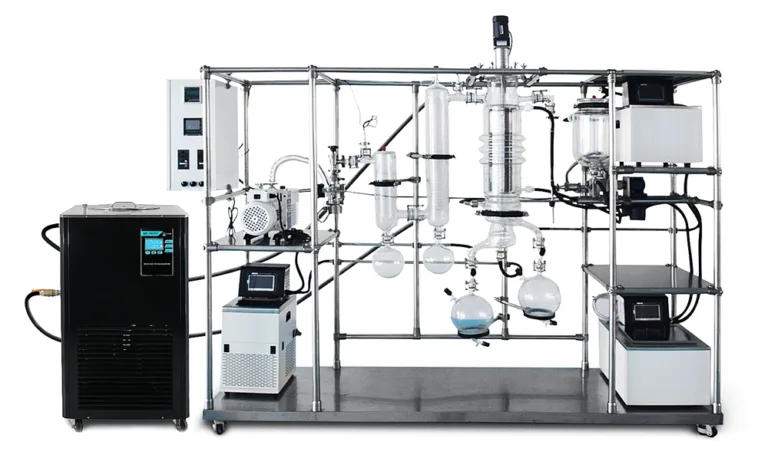
- Extraction Method: Distillation involves heating the oil to separate specific cannabinoids from the rest of the compounds, resulting in a highly pure product.
- Texture: Thick and viscous liquid.
- Potency: Distillate can be upwards of 90% THC, making it one of the most potent forms ofconcentrate.
5. Rosin
Rosin is a solventless concentrate made by applying heat and pressure to flower or hash, squeezing out resin without the use of solvents. This process results in a high-quality, pure product.
- Extraction Method: Solventless; made by applying heat and pressure to f
- Texture: Sticky, gooey, and often amber or golden in color.
- Potency: Rosin typically contains between 60-80% THC and is favored by those looking for a solvent-free option.
These are just a few examples of concentrates. Each type has its own appeal, depending on the user’s preferences for flavor, texture, potency, and purity.
Benefits of Concentrates
concentrates are popular for a variety of reasons, ranging from their potent effects to their versatile consumption methods. Here are some key benefits:
- High Potency: Concentrates are significantly more potent than traditional flower, allowing users to achieve desired effects with smaller doses. This makes them particularly appealing for medical patients who require strong doses of cannabinoids.
- Enhanced Flavor and Aroma: Many concentrates, such as live resin, preserve a high percentage of terpenes, resulting in a rich, flavorful experience.
- Fast-Acting: Concentrates can provide quick relief, making them ideal for medical patients who need immediate symptom relief.
- Versatility: Concentrates can be consumed in various ways, including dabbing, vaping, adding to flower, or incorporating into edibles, allowing users to choose the method that best suits their preferences.
- Purity: Many extraction methods focus on removing impurities, resulting in a cleaner and more pure product. This is especially important for consumers who prioritize product purity and safety.
How Are Concentrates Made?
concentrates are produced using various extraction methods. Each method has a different impact on the final product’s texture, potency, and flavor profile. Here’s a brief overview of some popular extraction methods:
1. Hydrocarbon Extraction
Hydrocarbon extraction uses solvents like butane or propane to dissolve the cannabinoids and terpenes from the plant material. This method is commonly used to produce shatter, wax, and live resin. After extraction, the solvents are purged from the concentrate to ensure purity and safety.
2. CO2 Extraction
CO2 extraction uses pressurized carbon dioxide in its supercritical form to extract cannabinoids and terpenes. This method is popular for producing distillate, as it allows for a high level of purity and is considered safer than hydrocarbon extraction.
3. Solventless Extraction
Solventless extraction methods, such as the rosin technique, do not use any chemical solvents. Instead, they rely on heat and pressure to squeeze out the resin from the plant. Solventless methods are popular among those seeking a more natural and additive-free product.
Each extraction method has its pros and cons, and the choice often depends on the desired end product, as well as the resources and equipment available.

Exploring the World of Concentrates
concentrates offer a powerful, versatile way to experience the effects of cannabinoids and terpenes. From the glass-like texture of shatter to the terpene-rich aroma of live resin, there’s a wide variety of concentrates to suit different preferences and consumption methods.
As the market continues to grow, consumers are becoming more curious and informed about the products they’re using. Understanding the differences between types of concentrates can help users make educated choices and find the products that best meet their needs.
For a deeper dive into concentrates and a detailed breakdown of each type, check out the original article on Ganjapreneur, which offers even more insights into this fascinating segment of theindustry. See more information about Advanced Extraction Labs here.