The Rise of Live Rosin

The rise of live rosin signifies a significant evolution in the field, with laboratories at the forefront of this innovative development. Scientific advancements have propelled the creation and refinement of live rosin, showcasing the fusion of technology and botanical expertise.
Live rosin has gained popularity among consumers seeking a pure, solventless concentrate with enhanced flavors and aromas. Laboratories play a pivotal role in this process by utilizing cutting-edge equipment and techniques to extract and preserve the delicate terpenes present in live rosin.
The relationship between technological advancements and the quality of live rosin is evident, as labs harness the power of precision instruments to ensure the highest standards of purity and potency. The scientific community continues to innovate, driving the evolution of live rosin towards unprecedented levels of quality and consistency.
What is Live Rosin?
Live rosin is a specialized extract obtained through cutting-edge processes in laboratories, setting it apart from traditional rosin. Its unique production methods and quality standards distinguish live rosin as a premium botanical extract.
When compared to traditional rosin, live rosin offers enhanced purity and potency due to its extraction process involving freshly harvested plants that are frozen immediately after harvesting. This freezing step preserves the delicate terpenes and cannabinoids present in the plant, resulting in a more flavorful and aromatic end product.
The extraction of live rosin usually involves a solventless approach, utilizing heat and pressure to squeeze out the resin from the frozen material. This method ensures that no solvents or chemicals are used in the process, maintaining the product’s purity and making it more appealing to health-conscious consumers.
How is Live Rosin Different from Traditional Rosin?
Live rosin differs from traditional rosin primarily in its extraction process, resulting in higher purity and potency levels.
Traditional rosin extraction involves heat and pressure to produce a concentrated resin using cured flower. Conversely, live rosin extraction utilizes fresh, frozen plant material to capture the live plant’s terpenes and cannabinoids at their peak. This difference in starting material and process leads to a more flavorful and potent end product with enhanced medicinal benefits.
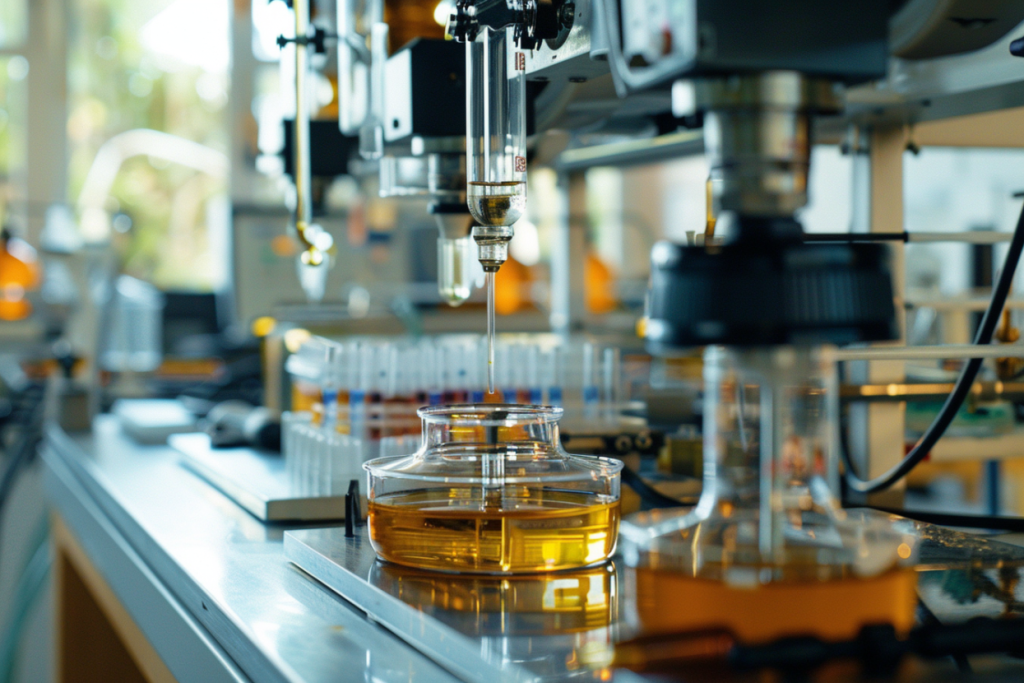
The Role of Laboratories in Live Rosin Development
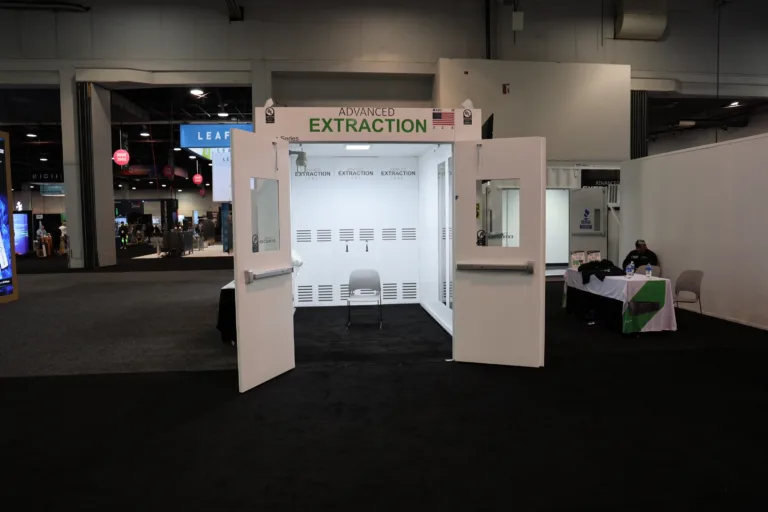
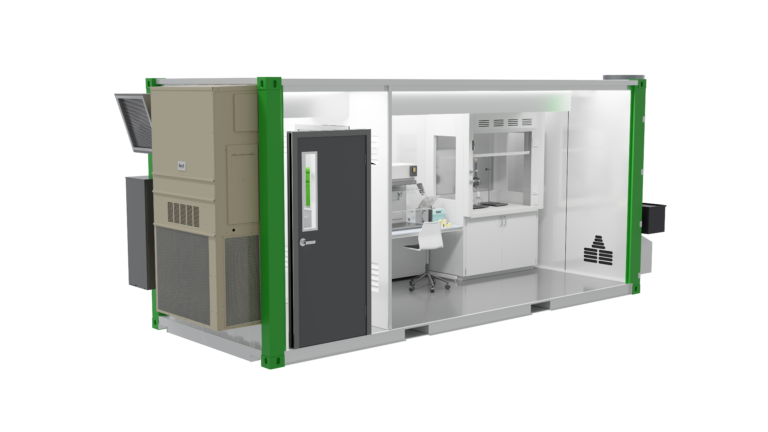
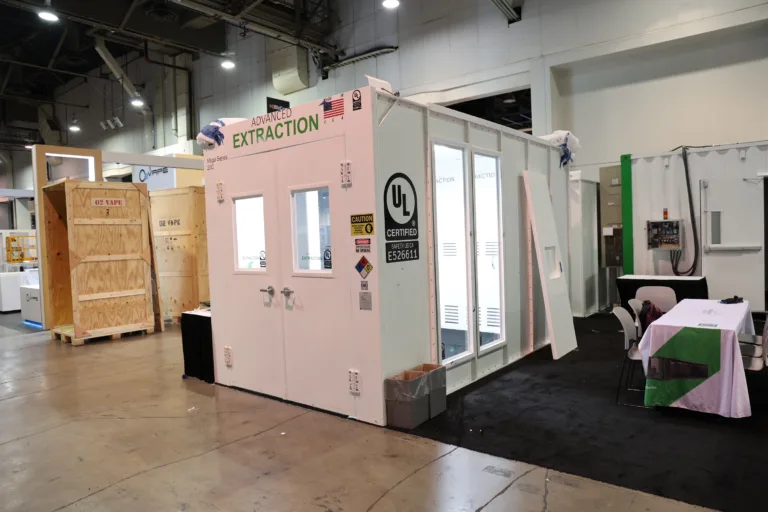
Laboratories play a pivotal role in the development of live rosin, acting as innovation hubs where scientific advancements converge with botanical expertise. These state-of-the-art facilities are instrumental in driving the evolution and refinement of live rosin products.
Through meticulous testing protocols and cutting-edge equipment, laboratories ensure the quality and consistency of live rosin formulations, maintaining high standards in potency and purity.
Collaborative teams of chemists, biologists, and extraction specialists work synergistically in these labs, leveraging their expertise to unlock new extraction techniques and enhance product profiles. By partnering with geneticists, labs are able to optimize plant genetics for better yields and terpene profiles, resulting in a diverse range of live rosin varieties that cater to evolving consumer preferences.
What are the Key Components of Laboratories in Live Rosin Development?
The key components of laboratories in live rosin development encompass cutting-edge technology, strategic cooperation with industry partners, and a relentless pursuit of excellence. Laboratories serve as collaborative spaces where innovation thrives through partnerships and cutting-edge equipment.
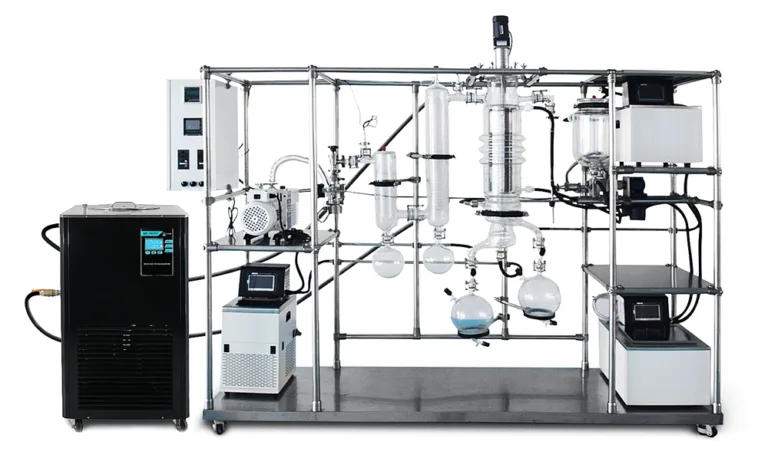
These laboratories are equipped with state-of-the-art machinery and high-tech tools that are vital for the process of extracting high-quality live rosin. They often collaborate closely with industry leaders to stay abreast of the latest advancements in extraction methods and product development. Through these partnerships, they gain key insights that help in refining their techniques and achieving superior results.
The commitment to excellence is ingrained in every aspect of the laboratory’s operations, from the selection of raw materials to the final production stage. Researchers and technicians in these labs constantly push the boundaries of what is achievable in live rosin development, setting new industry standards through their dedication to perfection.
What Scientific Advancements are Driving Live Rosin Development?
Scientific advancements are propelling the development of live rosin by revolutionizing materials, enhancing market penetration, and fostering sustainable practices. These advancements pave the way for groundbreaking innovations in live rosin production and utilization.
One of the key breakthroughs driving live rosin development is the utilization of state-of-the-art extraction methods that preserve the delicate terpenes and cannabinoids found in the raw plant material. By employing cutting-edge techniques such as subcritical and supercritical CO2 extraction, producers can extract a purer, more potent product with enhanced aroma and flavor profiles.
The market expansion of live rosin is also fueled by consumer demand for premium, artisanal products. As more enthusiasts seek high-quality, solventless concentrates with robust terpene profiles and potent effects, the demand for live rosin continues to soar.
Moreover, sustainability efforts in the industry are driving the adoption of eco-friendly practices, such as using organic cultivation methods and energy-efficient extraction processes. By prioritizing sustainability, producers can minimize their environmental footprint and contribute to a greener future for the industry.
The Process of Creating Live Rosin in Laboratories
The creation of live rosin in laboratories involves a meticulous process that begins with harvesting fresh, high-quality plant material and culminates in the purification and refinement of essential oils. Laboratories meticulously extract and refine live rosin to ensure premium quality and potency.
After the initial harvest, the plant material is carefully processed to preserve its natural terpenes and cannabinoids. This delicate extraction process involves using specialized equipment such as rosin presses or solventless extraction methods. The extracted oils undergo rigorous purification steps to remove impurities and unwanted compounds, ensuring a clean and potent final product. Expert technicians monitor the refining process closely, adjusting parameters like temperature and pressure to optimize the extraction efficiency and maintain the integrity of the live rosin. The end result is a highly concentrated and flavorful product that captures the essence of the original plant material.
Step 1: Harvesting Fresh, High-Quality Plant Material
The initial step in creating live rosin involves the careful harvesting of fresh, high-quality plant material, ensuring the preservation of essential compounds for extraction. Laboratories prioritize the selection and cultivation of premium botanicals to maintain the integrity of the final product.
Harvesting fresh plant material is crucial as it directly impacts the flavor, potency, and overall quality of live rosin.
By carefully selecting the best botanicals, labs secure a rich source of cannabinoids, terpenes, and flavonoids, which play a vital role in the aroma and therapeutic effects of the final product.
Maintaining the integrity of these compounds requires meticulous attention to detail throughout the harvesting process—from identifying the optimal maturity of the plants to ensuring proper handling to preserve their delicate profiles.
Step 2: Extraction of Essential Oils
The extraction of essential oils is a critical process in live rosin creation, where laboratories employ advanced techniques to extract the purest essences from the plant material. Precision extraction methods ensure the retention of valuable compounds for superior live rosin quality.
One of the most common extraction methods used in live rosin production is hydrocarbon extraction, which involves the use of solvents like butane or propane to pull out the essential oils from the plant material.
Another precision technique that has gained popularity is CO2 extraction, known for its ability to produce high-quality essential oils by using carbon dioxide as a solvent at specific temperature and pressure conditions.
These extraction processes require careful monitoring and expertise to ensure the optimum yield of terpenes and cannabinoids without compromising on purity or potency.
Step 3: Separation of Essential Oils from Solvent
The separation of essential oils from solvents is a critical stage in live rosin production, ensuring the removal of impurities and unwanted compounds. Laboratories employ meticulous separation techniques to obtain pure and potent essential oils for the refinement process.
One common method used in this separation process is called steam distillation.
This technique involves passing steam through the raw plant material, causing the essential oils to vaporize and then condense back into liquid form.
This process is crucial in live rosin production as it allows for the isolation of the oils while leaving behind any water-soluble impurities.
Step 4: Purification and Refinement of Essential Oils
The purification and refinement of essential oils mark the final steps in creating premium live rosin, where laboratories meticulously process and enhance the extracted oils for optimal quality. State-of-the-art purification techniques ensure the production of top-tier live rosin products.
These processes play a crucial role in removing impurities and unwanted compounds from the extracted oils, such as waxes, fats, and lipids. Through fractional distillation, the oils are separated based on their boiling points, allowing for the isolation of pure, high-quality components. Additionally, chromatography techniques are employed to further refine the oils, ensuring that only the most potent and aromatic compounds are retained in the final product.

The Benefits of Live Rosin
Live rosin offers a myriad of benefits, including higher potency and purity levels, improved flavor and aroma profiles, and a sustainable, environmentally friendly production process. These advantages position live rosin as a premium botanical extract in the market.
One of the key advantages of live rosin is its potency, which refers to the high concentration of cannabinoids and terpenes that are preserved during the extraction process. This results in a more potent product that offers users a more intense and longer-lasting high compared to other extracts. The preservation of live plant material in the extraction process allows for a richer flavor profile, enhancing the overall sensory experience for consumers.
Higher Potency and Purity
Live rosin boasts higher potency and purity levels compared to traditional extracts, ensuring a premium botanical experience for consumers. Its purity and potency contribute to the superior quality and effectiveness of live rosin products.
Live rosin, sought after for its exceptional attributes, undergoes a meticulous production process that preserves the plant’s natural essence and concentrates the potency of the cannabinoids and terpenes. This results in a concentrated form of extract that is renowned for its purity and unparalleled strength.
Improved Flavor and Aroma
Live rosin excels in offering enhanced flavor and aroma profiles, enriching the sensory experience for users. Laboratories focus on preserving the natural essence of the plant material to deliver exquisite and authentic flavors in live rosin products.
In terms of flavor, live rosin stands out for its ability to capture the full spectrum of tastes present in the original plant. This results in a burst of fruity, floral, or earthy notes that tickle your taste buds with each inhale. The aromatic qualities of live rosin elevate the overall experience, filling the air with enticing scents that evoke memories of the plant’s natural habitat.
These flavor and aromatic enhancements not only make consuming live rosin a sensory delight but also provide a deeper connection to the source plant, allowing users to experience in its purest form.
More Sustainable and Environmentally Friendly
Live rosin production prioritizes sustainability and environmental friendliness, utilizing eco-conscious practices to reduce the ecological footprint. Its sustainable approach resonates with consumers seeking environmentally responsible botanical products.
One of the key aspects of live rosin production that sets it apart is the use of solventless extraction methods, which eliminate the need for harmful chemicals. By focusing on organic cultivation practices and low-impact processing techniques, producers can create a high-quality product while minimizing negative environmental effects. The packaging for live rosin is often made from recyclable materials, further reducing waste and promoting a circular economy. These efforts showcase a dedication to sustainability that is reflected in every step of the production process.
The Future of Live Rosin Development
The future of live rosin development holds promising innovations driven by cutting-edge technology, market cooperation, and joint laboratory partnerships. Anticipated advancements in live rosin production are set to redefine the botanical extract landscape.
These innovations are revolutionizing the process of extracting terpenes and cannabinoids from the plant, resulting in purer and more potent live rosin products.
By leveraging state-of-the-art extraction methods and equipment, producers are aiming to maximize the yield and quality of live rosin while maintaining the integrity of the plant’s natural compounds.
Strategic collaborations between industry players and research institutions are fostering knowledge-sharing and cross-pollination of expertise, leading to breakthroughs in product development and quality assurance.
What Innovations Can We Expect to See in the Future?
Future innovations in the live rosin sector are poised to revolutionize the industry through advanced technology applications and strategic partnerships.
These advancements are ushering in a new era of efficiency and quality in the processing and extraction of live rosin. Automation and data-driven insights are driving the optimization of production processes, ensuring a more precise and consistent output. With the integration of cutting-edge extraction methods and sustainable practices, the sector is witnessing a shift towards eco-friendly solutions and green technologies. Collaborations between industry leaders and tech pioneers are fueling the exploration of novel applications, ranging from personalized products to innovative delivery systems.
Frequently Asked Questions
What is live rosin and how is it different from traditional rosin?
Live rosin is a type of extract that is made from fresh, frozen plant material, while traditional rosin is typically made from dried and cured buds. This difference in starting material allows live rosin to preserve more of the plant’s natural terpenes, resulting in a more flavorful and aromatic product.
How is laboratory research contributing to the development of live rosin?
Laboratory research plays a crucial role in the development of live rosin by allowing scientists to study and understand the chemical composition of the plant and its extracts. This knowledge is then used to refine extraction processes and create more efficient and high-quality products.
What scientific advancements have been made in recent years that have impacted live rosin development?
In recent years, there have been significant advancements in extraction technology and analytical techniques that have greatly influenced live rosin development. These include advancements in solventless extraction methods and the use of advanced instrumentation for terpene analysis.
What are the benefits of using live rosin as a extract?
Live rosin offers several benefits over other forms of extract, including a more robust and diverse terpene profile, a smoother and more flavorful smoking experience, and a more natural and organic product that is free from harsh solvents.
Are there any potential drawbacks to using live rosin?
One potential drawback of using live rosin is that it can be more difficult and time-consuming to produce compared to traditional rosin. This is due to the need to freeze and handle fresh plant material, which can add additional steps to the extraction process.
How do laboratories ensure the safety and quality of live rosin products?
Laboratories follow strict regulations and quality control measures to ensure the safety and purity of live rosin products. This includes testing for contaminants and potency levels, as well as adhering to proper handling and storage protocols to maintain the quality of the product.
Visit Advanced Extraction Labs to learn more or click on our other post for information on what is live resin?