
In today’s industrial landscape, the importance of safety cannot be overstated, especially in sectors prone to explosive risks. Our Blast Resistant Buildings offer a robust solution for industries such as oil, gas, aerospace, and energy, providing essential protection and peace of mind. This blog explores how these specialized structures can safeguard your operations and enhance overall site security.
What is a Blast Resistant Building
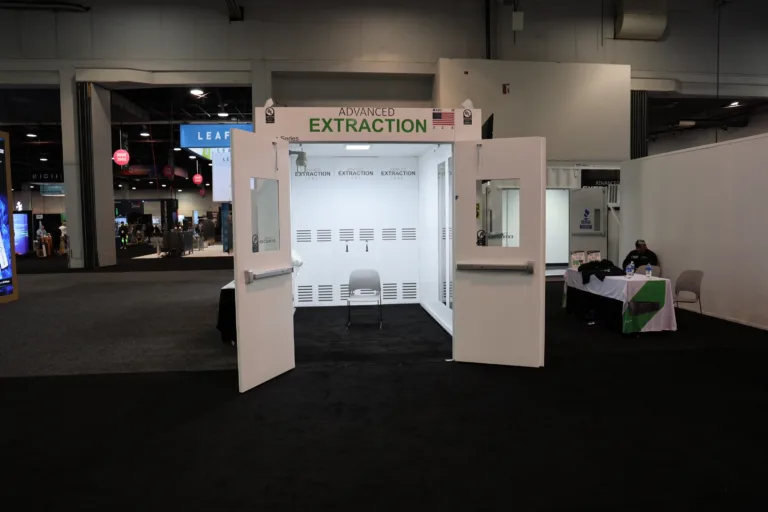
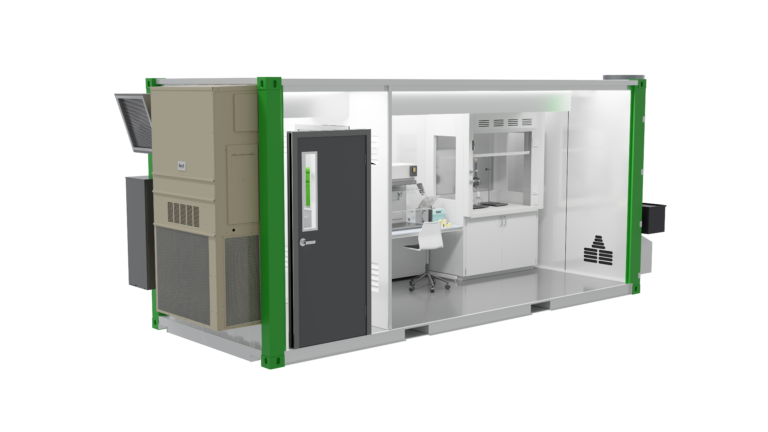
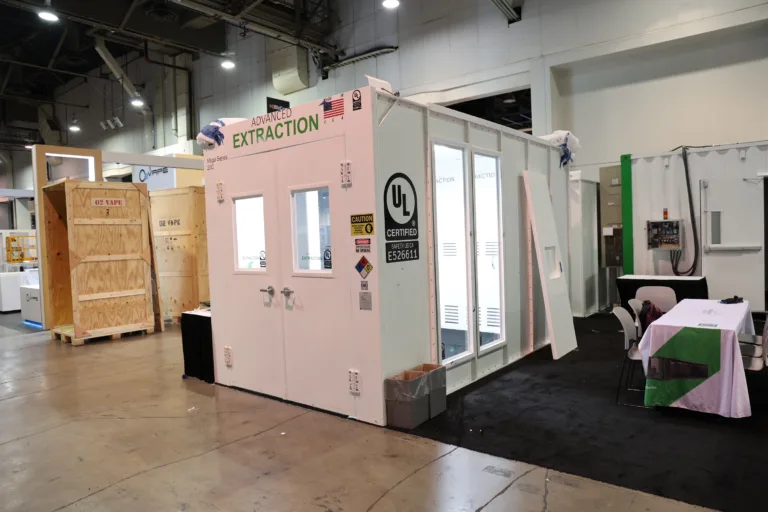
Blast resistant buildings are designed to withstand significant explosions and are crucial for maintaining the safety and integrity of industrial operations. Our buildings are constructed with thick steel walls and reinforced doors, which are key features in protecting against blast impacts. Moreover, they come with climate-controlled environments to ensure stability under various environmental conditions. Learn more about their construction on our product page: Blast Resistant Buildings.

Key Features and Benefits
One of the primary features of our blast resistant buildings is their modular design. This allows for flexible configurations to include offices, restrooms, and even sleeping quarters, ensuring that they meet the diverse needs of different industrial operations. The versatility of these buildings makes them an ideal choice for sites requiring stringent safety measures.
Safety and Compliance
Our blast resistant buildings not only provide safety but also ensure compliance with industry-specific regulations. This compliance is critical in high-risk industries, where adherence to safety standards can mean the difference between routine operations and catastrophic failures. By integrating these buildings into your safety protocols, you can significantly reduce the risk of accidents and enhance the safety of your workforce. For more on compliance, visit the Occupational Safety and Health Administration (OSHA) guidelines: OSHA Safety Standards.
How to Implement Blast Resistant Buildings in Your Site
Implementing blast resistant buildings into your operation begins with understanding your specific needs and risks. Here’s a step-by-step guide on how to integrate these structures effectively:
- Risk Assessment: Conduct a thorough risk assessment to identify potential blast hazards within your operations.
- Customization: Work with our team to customize the building specifications to meet your exact needs in terms of size, layout, and additional safety features.
- Installation: Plan the installation process to minimize disruption to ongoing operations.
- Training: Train your staff on the new safety protocols associated with the blast resistant building.
Enhancing Long-Term Safety and Efficiency
Investing in blast resistant buildings is not only a commitment to immediate safety but also to the long-term efficiency and sustainability of your operations. These buildings are designed to last and provide continual safety and security, helping you avoid costly downtime and repairs that can occur from blast damage.
Conclusion
Our Blast Resistant Buildings are your first line of defense against industrial explosions, offering unparalleled protection and compliance. By understanding the critical features and implementation strategies outlined in this blog, you can take proactive steps to secure your sites and safeguard your most valuable assets.
By integrating these powerful structures into your safety strategy, you are setting a standard for excellence in industrial safety and operational stability.
Discover how our solutions can transform your approach to industrial safety by visiting our product page: Advanced Extraction Labs – Blast Resistant Buildings.
For further reading on industry safety practices, refer to the National Safety Council: NSC Industrial Safety Tips or our post about what is a mobile kitchen today.