Both derived from the sativa plant, hemp seed oil and CBD oil are products with unique properties and uses, each catering to different needs and applications.
What Is Hemp Seed Oil?
Hemp seed oil is produced by cold pressing the seeds of the hemp plant, akin to the process used for extracting olive oil. It boasts a high nutritional value, rich in essential fatty acids like omega-3 and omega-6, making it a superb addition to a healthy diet. It’s utilized in various industries, from culinary arts—where it enhances food flavors—to manufacturing, where it is used in paints and coatings due to its drying properties. Notably, it contributes to skin health, offering moisturizing benefits and potentially aiding in reducing blood pressure.
What Is CBD Oil?
CBD oil is extracted from the flowers, leaves, and stalks of hemp and plants, focusing on harvesting the rich cannabidiol (CBD) content. This compound interacts with the human body’s endocannabinoid system, influencing mood, pain sensation, and immune response. CBD oil is celebrated for its potential therapeutic effects, such as alleviating symptoms of anxiety, depression, and chronic pain, and is also explored for its benefits in sleep enhancement and epilepsy management.
Extraction and Production
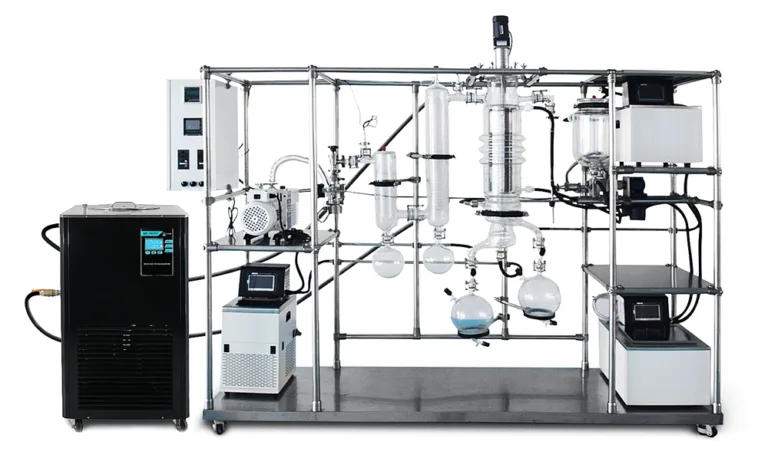
The methods of extraction for hemp seed oil and CBD oil differ; hemp seed oil involves a cold press technique, which helps maintain its nutritional integrity. In contrast, CBD oil extraction often employs advanced technologies like CO2 extraction or solvent-based methods, which are crucial for isolating cannabinoids effectively.
Potential Benefits and Uses
Hemp seed oil is prized for its nutritional benefits, particularly its omega fatty acids, which are essential for heart health and improving certain skin conditions. Conversely, CBD oil is sought after for its medicinal properties, helping manage conditions such as chronic pain and mental health disorders.
Potential Risks and Side Effects
Generally, both oils are well-tolerated, though they can cause minor side effects such as fatigue and digestive discomfort. CBD oil may also interact with other medications, highlighting the importance of consulting healthcare professionals before beginning treatment, especially for those with pre-existing health conditions or on other medications.

Conclusion
Hemp seed oil and CBD oil serve distinct purposes: hemp seed oil as a nutritional supplement ideal for dietary and industrial use, and CBD oil as a therapeutic agent potentially beneficial for health issues ranging from physical pain to psychological conditions.
For further detailed information on the differences and benefits of hemp seed oil and CBD oil, consider exploring resources like medical databases, healthcare websites, or research publications that provide evidence-based insights and expert reviews. These can often be found through academic journal databases or trusted health information sites like the National Institutes of Health (NIH) or Mayo Clinic. Here are a couple of useful links to get you started:
See more about Advanced Extraction Labs here.