Lab Design: effective design characteristics

Crafting a truly effective laboratory design requires deliberate planning and attention to detail. It’s not merely a matter of chance; rather, it involves a thorough understanding of your laboratory’s requirements and careful consideration of every component during the design phase. To ensure the creation of a safe and highly functional laboratory space, it’s essential to delve into the key characteristics that define such a design.
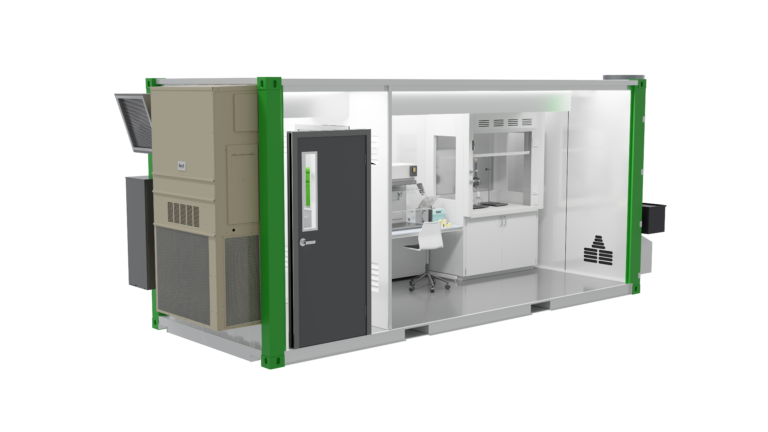
Priority on Safety Measures: Safety lies at the core of any effective laboratory design. This includes strategically placing Laboratory Personal Protective Equipment (PPE) in easily accessible and well-maintained locations, ensuring that all lab personnel can swiftly equip themselves upon entering the lab. Moreover, a comprehensive approach to safety entails addressing various environmental factors, such as humidity control, air pressurization, and ventilation. Adequate ventilation, facilitated by equipment like fume hoods, is especially crucial in environments where hazardous chemicals and airborne toxins are present.
Enhancing Workflow Efficiency: Efficiency in laboratory operations hinges on a design that optimizes workflow. It’s imperative to anticipate how daily tasks will unfold within the lab space. Designing lab stations to minimize conflicts and allowing sufficient room for foot traffic between work areas are pivotal. By mitigating congestion and potential collisions among lab workers, the risk of accidents such as spills and slips can be significantly reduced.
Facilitating Collaboration: In addition to operational efficiency, fostering collaboration among lab members is paramount. While maintaining an open layout to prevent hindrances, it’s equally important to designate areas where team members can convene and brainstorm. Allocating extra space, whether it’s an additional lab station or an office room, encourages communication and the exchange of ideas, thereby enhancing the overall productivity and innovation within the lab.
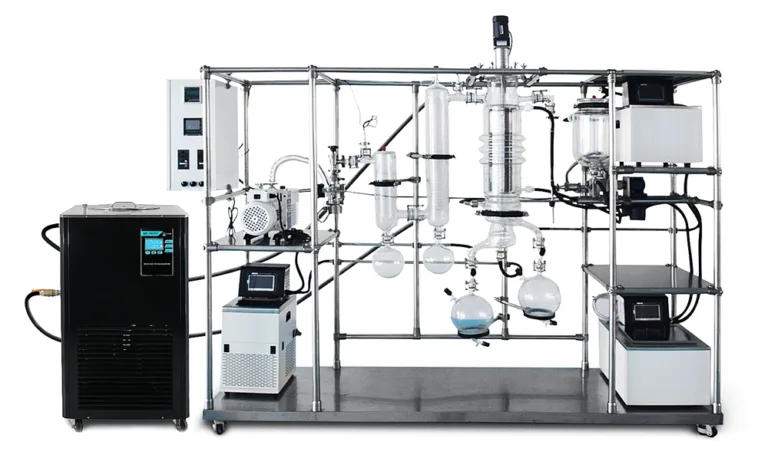
By adhering to these fundamental principles of effective laboratory design, you can create a workspace that prioritizes safety, streamlines operations, and cultivates collaboration. Once your design blueprint is in place, complement your efforts by sourcing high-quality lab equipment from reputable suppliers like AEL. From glassware to freezers, their comprehensive range of products caters to all your laboratory equipment needs, ensuring that your lab is equipped for success. Learn more about battery storage benefits for more information.