The potential rescheduling of marijuana under federal law could bring about significant changes in the cannabis industry, including advancements in energy efficiency and environmental sustainability. This shift could help reduce the substantial energy consumption of commercial cannabis cultivation and improve the overall environmental footprint of the industry.
The Environmental Impact of Indoor Cultivation
Indoor cannabis cultivation facilities are known for their significant energy and environmental footprint, primarily due to the extensive use of horticultural lighting, powerful HVAC systems, and other equipment necessary to maintain optimal growing conditions.
Benefits for Clean Energy and Energy Efficiency
Rescheduling marijuana could unlock federal programs that have been inaccessible under current federal prohibition. The Biden administration’s Inflation Reduction Act of 2022, for instance, allocated billions of dollars to support clean energy and agricultural programs. Federal grants and loan guarantees from the U.S. Department of Agriculture (USDA) could help cannabis businesses afford clean energy and energy-efficiency technologies, such as LED grow lights, advanced HVAC systems, heat pumps, and clean power generation.
Source: MJBizDaily
IRS Tax Credits and Deductions
Businesses that invest in above-code energy efficiency measures can claim tax deductions through the IRS’ energy-efficient commercial building property programs. Additionally, cannabis businesses interested in on-site renewable energy, such as solar photovoltaic panels, can benefit from an investment tax credit equal to 30% of the installed project cost. To qualify, companies must demonstrate that their investments reduce facility energy use by at least 25% above code.
Access to Capital for Equipment Upgrades
The high upfront costs of advanced, energy-efficient grow equipment often deter cultivation facility developers from making these investments. Rescheduling marijuana could eliminate the constraints of the Internal Revenue Code’s Section 280E, which currently forces plant-touching companies to pay higher taxes than their mainstream counterparts. This financial relief could enable many operators to upgrade their facilities with more energy-efficient technologies.
Power Authority Incentive Programs
Customers of municipal utilities served by federally managed power marketing administrations, such as the Bonneville Power Authority (BPA), could gain access to energy-efficiency programs. For example, BPA offers incentives covering up to 50% or more of the cost for energy-efficient horticultural LED lighting and HVAC purchases.
Navigating Regulatory Uncertainty
Currently, there are no national codes for indoor horticulture facilities. However, the next edition of the International Energy Conservation Code could introduce such standards. In the meantime, states will likely continue to enforce their own, potentially stricter, regulations. Multistate marijuana operators will need to navigate this complex regulatory landscape.
The Future of Cannabis Cultivation
Rescheduling marijuana presents an opportunity to transform the industry into a more environmentally sustainable model. By adopting energy-efficient and clean technologies, cannabis businesses can reduce their environmental impact. While indoor cultivation allows for year-round production, it consumes significantly more energy than outdoor and greenhouse operations. In the future, as marijuana becomes eligible for interstate trade, cultivation may shift towards more cost-effective outdoor or greenhouse models in favorable climates.
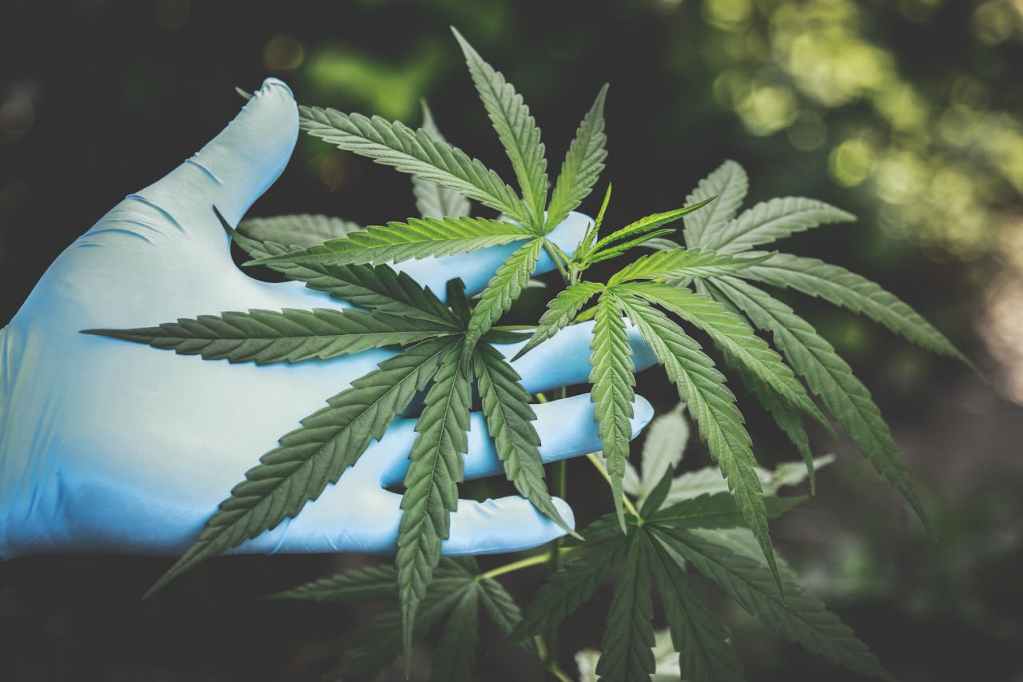
The potential rescheduling of marijuana offers a promising path towards greener cultivation practices and a reduced environmental footprint for the cannabis industry. Staying informed and proactive in adopting energy-efficient technologies will be crucial for businesses to thrive in this evolving landscape.
FAQs
1. How could rescheduling marijuana lead to greener cultivation practices?
- Rescheduling could provide access to federal programs and incentives that support clean energy and energy efficiency, helping reduce the environmental impact of cannabis cultivation.
2. What federal programs could become available to cannabis businesses?
- Programs through the USDA, IRS tax credits for energy-efficient investments, and power authority incentive programs could become accessible.
3. How can cannabis businesses benefit from IRS tax credits?
- By investing in energy-efficient measures, businesses can claim deductions and credits, such as a 30% investment tax credit for renewable energy installations.
4. What is the significance of the Inflation Reduction Act for cannabis cultivation?
- The act unlocks billions of dollars for clean energy and agricultural programs, which could help cannabis cultivators adopt energy-efficient technologies.
5. What challenges do multistate operators face regarding regulations?
- Operators must navigate a patchwork of state regulations and potentially stricter standards than federal requirements.
By embracing these opportunities and preparing for regulatory changes, the cannabis industry can move towards a more sustainable and energy-efficient future.
See more about Advanced Extraction Labs here. Or check out our economic impact report for more information.