What Are cGMP Regulations?
Current Good Manufacturing Practice (cGMP) regulations are a set of guidelines enforced by the U.S. Food and Drug Administration (FDA) to ensure the quality, safety, and efficacy of pharmaceuticals, medical devices, food, and biotech products. These cGMP regulations establish strict standards for manufacturing, processing, packaging, and storage to prevent contamination, errors, and inconsistencies.
The goal of cGMP regulations is to protect consumers by ensuring that products meet high-quality standards from production to distribution. Manufacturers must follow these guidelines to obtain and maintain FDA approval for their products.
Why Are cGMP Compliance Regulations Important?
Adhering to cGMP compliance regulations are essential for businesses that manufacture pharmaceuticals, dietary supplements, medical devices, and other regulated products. Here’s why compliance matters:
1. Ensures Product Quality & Safety
- Prevents contamination, errors, and defects.
- Guarantees consistent potency, purity, and effectiveness of products.
2. Protects Consumers
- Reduces the risk of harmful side effects, recalls, and lawsuits.
- Ensures that products meet strict safety standards before reaching the market.
3. Regulatory Compliance & FDA Approval
- Compliance with cGMP guidelines is required for FDA certification.
- Failure to meet standards can lead to fines, penalties, or production shutdowns.
4. Enhances Business Reputation
- Builds consumer trust in product reliability and safety.
- Strengthens partnerships with distributors, retailers, and healthcare providers.
Key Components of cGMP Regulations
The FDA’s cGMP guidelines cover all aspects of manufacturing, quality control, and facility management. Below are the core principles:
1. Facility & Equipment Standards
- Manufacturing facilities must be clean and well-maintained.
- Equipment must be regularly inspected, calibrated, and validated.
2. Personnel Training & Hygiene
- Employees must undergo regular training on safety and compliance.
- Proper protective gear and hygiene protocols must be followed.
3. Quality Control & Assurance
- Strict testing and monitoring of raw materials, in-process production, and final products.
- Implementation of batch records and documentation for traceability.
4. Documentation & Record Keeping
- Detailed manufacturing records ensure transparency and accountability.
- Any deviations from standard procedures must be documented and investigated.
5. Product Testing & Validation
- Quality testing is required before product release.
- Stability testing ensures product effectiveness over time.
6. Proper Handling of Complaints & Recalls
- Procedures for identifying, reporting, and correcting product defects.
- Efficient recall systems to remove unsafe products from the market quickly.
How to Achieve cGMP Compliance
1. Assess Your Current Processes
- Conduct an internal audit to identify compliance gaps.
- Develop a plan to address deficiencies and meet regulatory standards.
2. Implement Standard Operating Procedures (SOPs)
- Develop clear protocols for manufacturing, quality control, and safety.
- Train employees on updated SOPs and compliance requirements.
3. Invest in Facility Upgrades & Equipment Maintenance
- Ensure cleanroom environments meet industry standards.
- Regularly calibrate, validate, and maintain machinery.
4. Strengthen Quality Control & Documentation
- Implement a document control system for tracking production records.
- Maintain detailed batch records and testing reports for FDA audits.
5. Conduct Regular Compliance Audits
- Perform internal and third-party audits to assess compliance.
- Address any issues through corrective and preventive actions (CAPA).
Industries That Must Follow cGMP Regulations
While cGMP regulations primarily focus on pharmaceuticals, they also apply to other high-risk industries:
1. Pharmaceuticals & Biotech
- Drug manufacturing, research, and packaging.
- Ensures medication potency, purity, and safety.
2. Medical Devices
- Production of implantable devices, surgical tools, and diagnostics.
- Reduces risks of malfunctions and defects.
3. Dietary Supplements & Nutraceuticals
- Ensures supplements meet label claims and safety guidelines.
- Prevents the inclusion of harmful or unapproved ingredients.
4. Food & Beverage Industry
- Regulates the processing, packaging, and distribution of food products.
- Prevents contamination, spoilage, and mislabeling.
5. Cosmetics & Personal Care
- Ensures safe ingredients and proper labeling.
- Prevents microbial contamination and adverse reactions.
The Future of cGMP Compliance
As technology advances, cGMP regulations continue to evolve to ensure even greater product safety. Manufacturers are now integrating:
- Automated monitoring systems for real-time quality control.
- Blockchain technology for supply chain transparency.
- Artificial intelligence (AI) for predictive maintenance and error detection.
By staying ahead of cGMP updates, companies can remain compliant while improving efficiency and product reliability.

How Advanced Extraction Labs Can Help
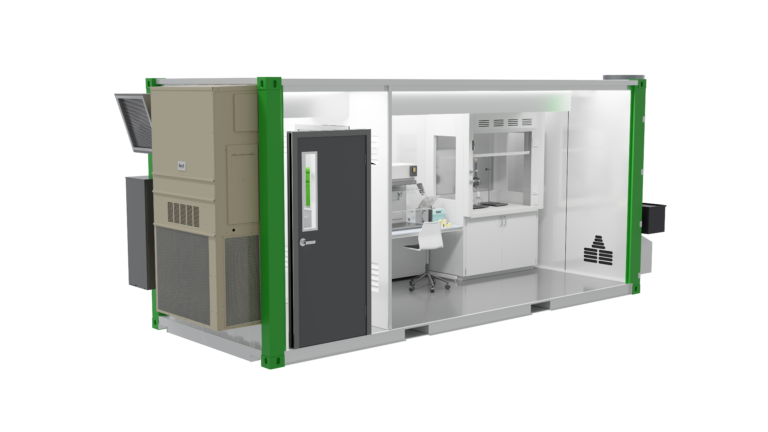
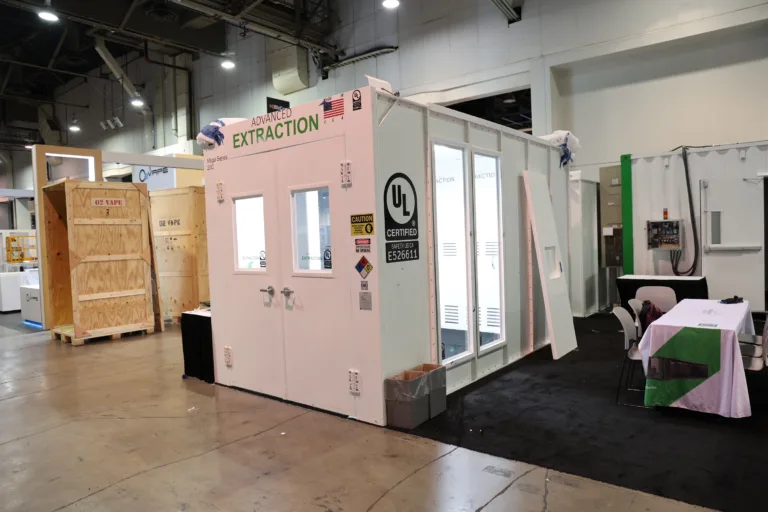
At Advanced Extraction Labs, we design GMP-certified manufacturing facilities and cleanrooms that meet FDA and cGMP requirements. Whether you need indoor or outdoor GMP booths, we provide custom-engineered solutions for:
- Cannabis and botanical extraction
- Pharmaceutical and biotech manufacturing
- Food processing and nutraceuticals
Our team ensures your facility meets cGMP standards, helping you stay compliant while optimizing your production process.
Get Started Today
Looking to achieve cGMP compliance for your manufacturing facility? Contact Advanced Extraction Labs today to learn how we can help you design a fully compliant production environment.
Request a Consultation or call us for more details, or read our other post on GMP compliance for more information.