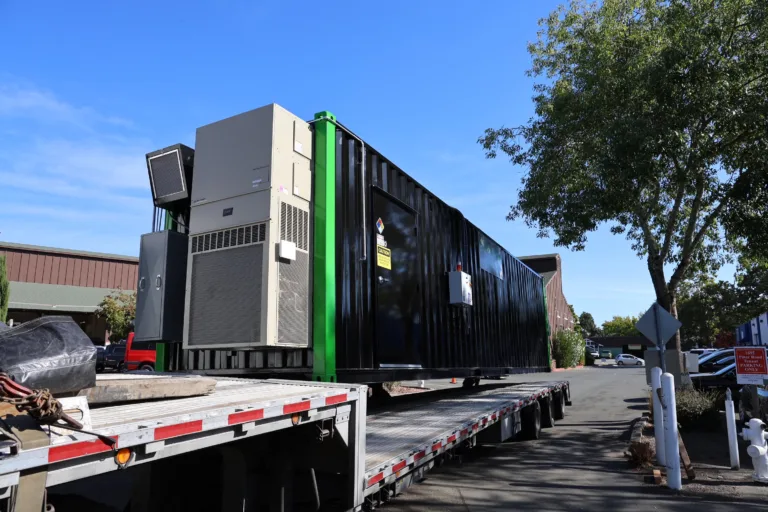
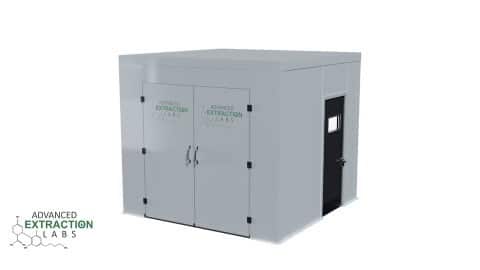
Your standard extraction booth, constructed with 18-gauge sheet metal and placed at least three feet away from other operations or walls, typically will suffice for all setups. However, opting for a fire rated extraction booth could be the solution to increasing solvent limits without the need for costly engineering, labor, and materials.
MAQ Meaning: Control areas are established when the building area exceeds the Maximum Allowed Quantities (MAQ) of solvent. These MAQs are determined by factors such as building type, fire suppression systems, and solvent storage capacity. By creating control areas within the building, separated by fire walls, you can effectively multiply your maximum allowed solvent quantities.
For instance, in an F-1 occupancy building (a standard manufacturing facility), you could have up to four control areas on the first floor, each with its own distinct maximum solvent allowance. This strategic setup allows for increased solvent capacity while maintaining the highest levels of safety and compliance.
To utilize this correctly, each of your rooms needs to be made of fire-rated walls. These can be 1HR or 2HR, but it is important to double check with your AHJ to determine the MAQs for your specific projects.
MAQ meaning: (MAQs) represent the maximum allowable quantities of hazardous materials permissible for storage or utilization within a designated control area within a building. These limitations are set by the California Fire Code (CFC) (or AHJ of your jurisdiction) and categorized by hazard class.
In addition to the above, your building’s level of stories also can change your MAQs. As buildings increase in height, the ability to respond to emergencies and evacuation becomes more challenging, resulting in a decrease in the safe amount of hazardous materials that can be stored and utilized.
For more, check out our post about the definition of cannabinoids today.