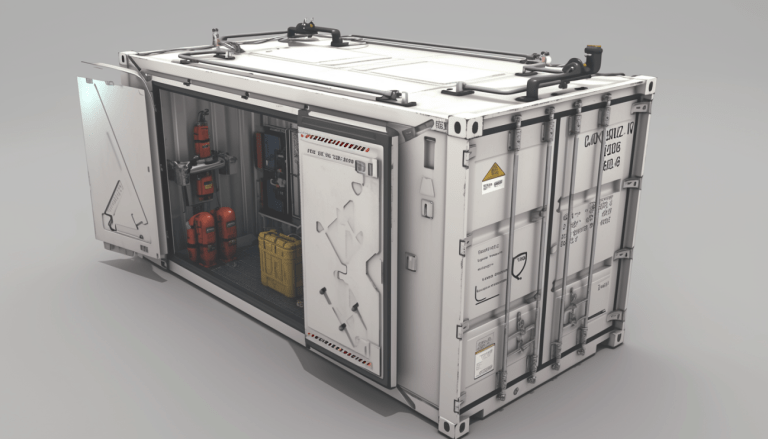
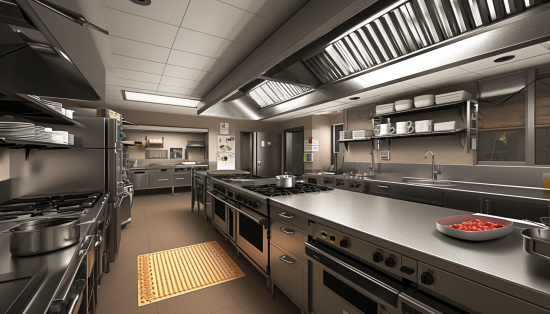
Running a extraction lab involves managing a range of potential hazards, from handling flammable solvents to maintaining air quality. Creating a safe environment is essential not just for protecting your employees but also for staying compliant with industry regulations. Safety practices help prevent accidents, minimize downtime, and keep your operation running smoothly.
In this blog, we’ll cover essential safety practices every extraction lab should implement, from selecting the right extraction booth to training your staff on emergency protocols. Whether you’re setting up a new facility or optimizing an existing one, these tips will help you maintain a safe, compliant workspace.
1. Use Compliant Extraction Booths
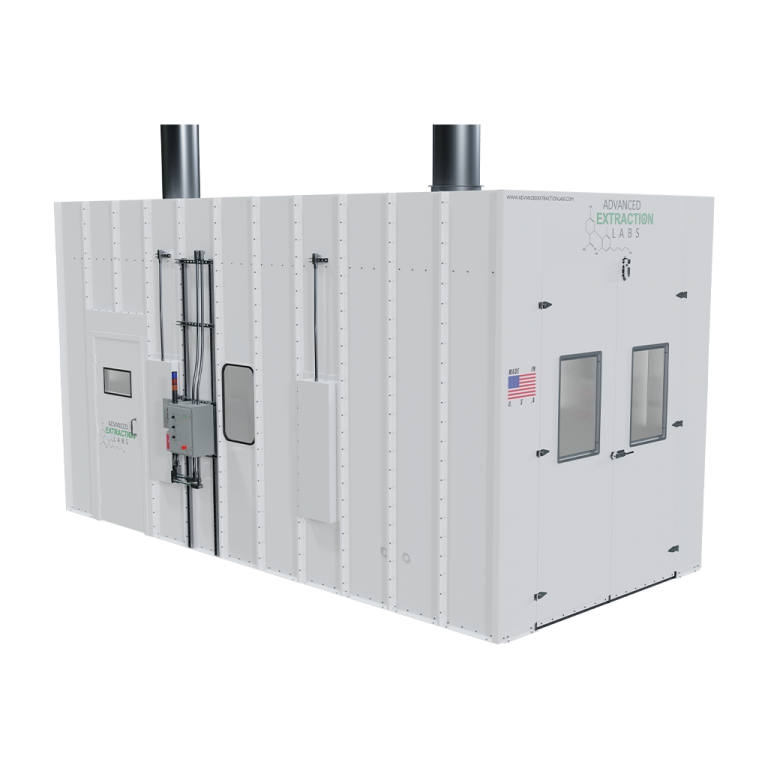
One of the first steps in creating a safe extraction lab is selecting the right extraction booth. If your process involves hydrocarbons or other volatile solvents, you’ll need a C1D1 extraction booth. These booths are specifically designed for handling hazardous chemicals and provide proper ventilation and containment to prevent accidents.
C1D1 vs. C1D2 Booths:
- C1D1 Booth: Required for environments where flammable gases or vapors are present during normal operations. This is the go-to option for butane or propane extractions.
- C1D2 Booth: Suitable for environments where hazardous gases are only present in abnormal conditions, such as during leaks.
Companies like Advanced Extraction Labs offer various options for C1D1 and C1D2 booths, ensuring you meet safety and regulatory standards.
2. Ensure Proper Ventilation and Airflow
Ventilation is critical in any extraction lab, especially when using solvents that produce harmful fumes. A good ventilation system helps to reduce the concentration of airborne contaminants, making your lab safer for employees.
Steps to Improve Ventilation:
- Install Fume Hoods: Fume hoods help capture and vent harmful gases produced during extraction and post-processing.
- Maintain Air Quality: Use HEPA filtration systems to remove particulates from the air and maintain a clean work environment.
- Air Monitoring: Install gas detectors to monitor for leaks or high levels of dangerous fumes.
Proper ventilation not only helps keep your lab safe but also helps ensure compliance with fire and safety codes.
3. Set Up a Fire Suppression System
Fire risks are a reality when working with flammable solvents like butane, propane, or ethanol. To protect your staff and facility, it’s critical to have a robust fire suppression system in place. This is especially important for C1D1-rated environments where the potential for flammable vapors is higher.
Fire Safety Must-Haves:
- Automatic Fire Suppression: Consider installing a fire suppression system that can automatically detect and extinguish fires.
- Fire Extinguishers: Place chemical-based fire extinguishers in key areas throughout the lab.
- Sprinkler Systems: A well-placed sprinkler system can prevent a small fire from spreading and causing significant damage.
Ensuring your facility is equipped with proper fire suppression measures is not just a safety requirement but also a critical part of meeting compliance with NFPA (National Fire Protection Association) standards.
4. Train Staff in Safety Protocols
A safe extraction lab is only as good as the people running it. Training your staff in safety protocols is one of the most important things you can do to maintain a safe working environment. Make sure all employees understand how to handle chemicals, use equipment, and respond in case of an emergency.
Key Training Areas:
- Emergency Shutoffs: Staff should be trained on how to quickly shut down equipment in case of an emergency.
- Chemical Handling: Ensure proper training in handling and storing hazardous chemicals like solvents. Always follow OSHA (Occupational Safety and Health Administration) guidelines.
- Personal Protective Equipment (PPE): Make sure everyone knows when and how to use PPE, such as gloves, goggles, and flame-resistant clothing.
- Regular Drills: Conduct safety drills regularly so that everyone knows the proper procedures for evacuations, fires, or chemical spills.
By prioritizing staff training, you can help prevent accidents and ensure a safer workplace.
5. Use Certified Storage Containers
Proper storage of chemicals and solvents is critical for both safety and compliance. Certified storage containers reduce the risk of leaks, spills, and contamination. Be sure to choose containers that are specifically designed for the types of chemicals you use in your extraction process.
Best Practices for Storage:
- Certified Solvent Storage Containers: Invest in high-quality, certified chemical solvent containers to safely store solvents like butane, ethanol, and propane.
- Label Certified Storage Containers: Make sure all containers are clearly labeled with their contents and hazard levels.
- Storage Location: Store solvents in well-ventilated areas away from heat sources to reduce the risk of ignition.
Ensuring that solvents are stored correctly not only improves safety but also keeps your operation compliant with local fire codes and environmental regulations.
6. Implement Hazardous Waste Disposal Protocols
Proper waste management is essential to running a compliant extraction lab. Improper disposal of chemical waste can lead to environmental damage, fines, and health risks. Develop a clear protocol for handling and disposing of hazardous waste generated during the extraction process.
Waste Disposal Tips:
- Partner with a Waste Disposal Service: Work with a certified hazardous waste disposal company to safely remove chemicals and solvents.
- Recycling Systems: For solvents like ethanol, consider implementing solvent recovery systems that allow you to reuse the solvent, reducing waste and costs.
- Disposal Training: Train staff on how to properly dispose of chemical waste to ensure safety and compliance.
Effective waste management minimizes environmental impact and helps maintain a safe and efficient lab environment.
7. Monitor and Maintain Equipment Regularly
Even the best extraction equipment requires regular maintenance to operate safely and efficiently. Establish a maintenance schedule to inspect and service your equipment regularly. This can prevent unexpected breakdowns, reduce downtime, and increase the lifespan of your machinery.
Maintenance Checklist:
- Regular Inspections: Have your equipment inspected by professionals to ensure it’s functioning correctly and safely.
- Clean Equipment: Regular cleaning prevents the buildup of residues that could lead to malfunctions or safety risks.
- Service Records: Keep a log of all maintenance and repairs to track the performance and safety of your equipment.
Staying on top of equipment maintenance not only boosts efficiency but also helps prevent accidents and compliance issues.

Safety Is Key to a Successful Extraction Lab
Ensuring safety in a extraction lab is a multifaceted process that involves selecting the right equipment, training staff, and maintaining a safe work environment. From installing compliant C1D1 extraction booths to training your team on emergency protocols, safety must be at the core of every decision you make.
By prioritizing safety, you create a secure environment that not only protects your employees but also ensures compliance with regulations. This, in turn, helps your business run more smoothly and reduces the risk of costly accidents or regulatory penalties.
For more information on setting up a safe and compliant extraction lab, visit Advanced Extraction Labs to explore a range of safety-focused equipment and solutions.