Starting a extraction lab can be a rewarding venture, but it requires careful planning and strict adherence to safety protocols. Whether you’re extracting using hydrocarbons, ethanol, or CO2, the safety of your equipment, staff, and processes must come first. Plus, ensuring your lab is compliant with regulations is critical to avoid costly setbacks.
In this guide, we’ll walk you through the essential steps to set up a extraction lab safely and efficiently. From choosing the right C1D1 extraction booth to meeting compliance standards, we’ll cover everything you need to know. Let’s dive into the world of extraction!
1. Understand Extraction Methods
Before diving into the technical setup of your lab, it’s essential to understand the main extraction methods used in the industry. Each method requires specific equipment and safety measures.
Common Extraction Methods:
- CO2 Extraction: A popular method that uses pressurized carbon dioxide to extract cannabinoids. It’s solvent-free and considered safe but requires high-pressure systems.
- Ethanol Extraction: Known for its efficiency and cost-effectiveness, ethanol extraction uses alcohol to separate cannabinoids from the plant.
- Hydrocarbon Extraction: This method uses solvents like butane or propane. It’s highly effective but involves handling flammable solvents, making safety crucial.
2. Choose the Right Extraction Booth (C1D1 or C1D2)
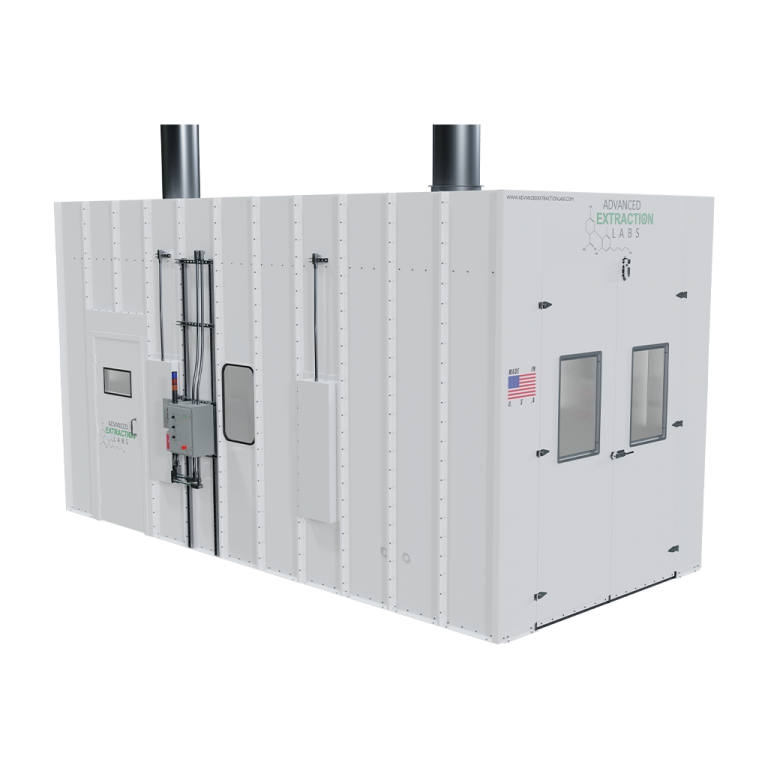
The first major decision when setting up your extraction lab is selecting the proper extraction booth. For safety, compliance, and operational efficiency, it’s important to choose a C1D1 extraction booth or C1D2 booth, depending on your extraction method.
C1D1 vs. C1D2 Booths:
- C1D1 (Class 1, Division 1): These booths are designed for environments where flammable vapors may be present under normal operating conditions. If you’re working with hydrocarbons or other volatile solvents, a C1D1 booth is required.
- C1D2 (Class 1, Division 2): These booths are for environments where hazardous gases or vapors are only expected in abnormal circumstances.
Companies like Advanced Extraction Labs offer various extraction booths that are engineered to meet compliance standards while ensuring optimal airflow and ventilation for safety.
3. Comply with Local Regulations and Safety Standards
Compliance is a critical aspect of setting up your extraction lab. Regulations differ by state and country, so it’s essential to familiarize yourself with the local fire codes, health regulations, and occupational safety standards.
Key Compliance Points:
- NFPA (National Fire Protection Association) Standards: Ensure that your lab meets fire safety codes, particularly NFPA 1, which regulates facilities dealing with flammable solvents.
- OSHA Standards: Follow the Occupational Safety and Health Administration guidelines for handling hazardous materials and ensuring worker safety.
- Ventilation Systems: Proper ventilation is required to safely handle gases, vapors, and airborne particles.
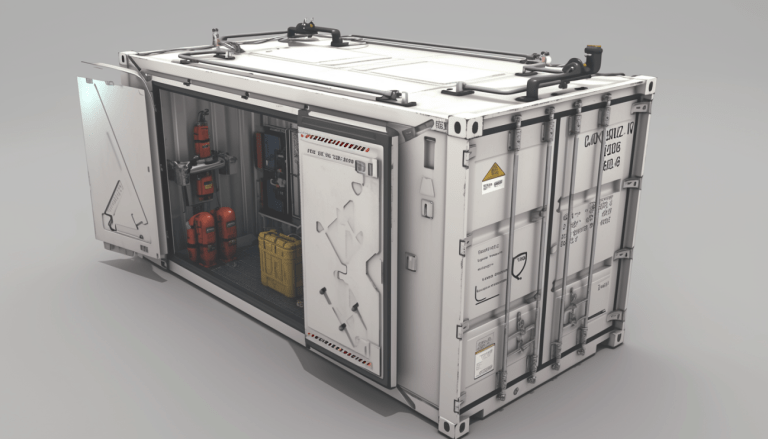
It’s also important to install blast-resistant buildings if necessary, especially for larger operations handling significant volumes of volatile chemicals.
4. Select Essential Extraction Equipment
Once you’ve secured a compliant extraction booth, the next step is selecting the right equipment. This will depend on your extraction method, the scale of your operation, and your target end-products (e.g., concentrates, distillates, or edibles).
Basic Equipment You Will Need:
- Extraction System: Depending on your chosen method (CO2, ethanol, or hydrocarbon), invest in a reliable, high-performance extraction system.
- Degassing Chambers: For hydrocarbon extractions, a degassing chamber is essential to remove residual solvents from the extracted material.
- Fume Hoods: A fume hood is crucial for containing and safely venting harmful fumes produced during extraction or post-processing.
- Storage Containers: Use certified chemical solvent containers for storing your solvents and extracted materials.
Make sure the equipment you select is compliant with your local regulations and has been tested for use in C1D1 environments if necessary.
5. Ensure Proper Safety Measures Are in Place
Safety should always be your top priority. This not only protects your employees but also helps you avoid legal liabilities and ensures the longevity of your operation.
Essential Safety Measures:
- Emergency Shutoffs: Your lab should be equipped with emergency shutoff switches that can quickly stop all operations in case of an emergency.
- Fire Suppression Systems: Install an effective fire suppression system, such as sprinklers or a chemical-based fire extinguisher, especially in C1D1 areas.
- Personal Protective Equipment (PPE): Ensure that your staff wears appropriate PPE, including gloves, goggles, and flame-resistant clothing, when handling solvents or operating equipment.
- Training and Protocols: All staff should be trained on emergency protocols, proper handling of solvents, and how to operate equipment safely.
6. Plan for Waste Disposal and Environmental Impact
Proper waste disposal is a critical part of running a compliant extraction lab. You’ll need to develop a plan for disposing of used solvents, chemical waste, and byproducts according to local environmental regulations.
Waste Management Tips:
- Hazardous Waste Removal: Partner with a certified hazardous waste disposal company to ensure proper removal of chemicals and solvents.
- Air Quality Control: Install advanced air filtration systems to minimize harmful emissions and meet environmental compliance.
- Sustainability Initiatives: Consider integrating eco-friendly practices, like solvent recycling systems, to reduce waste and minimize environmental impact.
7. Scale Your Operation
Once your lab is up and running, it’s important to think about scaling. Whether that means expanding to new product lines like -infused beverages or upgrading to a larger facility, planning for growth can help you stay competitive in this evolving market.
Potential Areas for Expansion:
- Modular Clean Rooms: If you’re looking to expand, consider investing in modular clean rooms for efficient production of products.
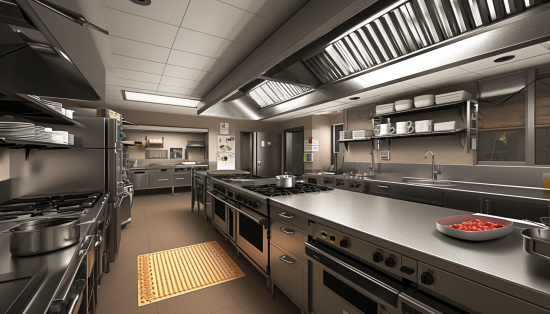
- Commercial Kitchens: For those venturing into edibles, commercial kitchens can ensure proper compliance and scaling potential.
- Outdoor or Indoor Labs: Depending on your business model, you might expand with outdoor or indoor labs to meet growing demand.

Setting up a extraction lab requires significant planning and investment, but with the right equipment, safety protocols, and compliance measures in place, you can build a successful and sustainable operation. Whether you’re starting small or planning to scale, focus on safety, efficiency, and compliance to position your lab for long-term growth.
For more information about setting up a compliant extraction lab, visit Advanced Extraction Labs for industry-leading equipment and expertise; or check out our other post about what is NFPA certification?