Selecting the right solvent is critical in extraction, as it directly impacts the quality, purity, and efficiency of the resulting oils. This blog explores the various solvents used in the extraction process, the factors that influence solvent choice, and the importance of using safe solvent extraction practices, particularly in environments designed to handle these solvents, like those provided by Advanced Extraction Labs.
Understanding Solvent Choice in Extraction
The choice of solvent in extraction depends largely on the desired outcome, the specific compounds being targeted, and the safety protocols in place. Common solvents include:
- CO2: Highly popular for its safety and cleanliness, CO2 is a non-toxic solvent that doesn’t leave behind any residues. It’s especially effective for creating full-spectrum extracts that preserve cannabinoids and terpenes.
- Ethanol: Known for its efficiency and cost-effectiveness, ethanol can extract a wide range of cannabinoids and terpenes but requires careful handling and evaporation processes to ensure purity.
- Butane and Propane: These hydrocarbons are potent solvents for extracting high concentrations of cannabinoids. However, they must be handled in C1D1 compliant facilities due to their flammability and health risks.
Factors Influencing Solvent Selection
When choosing a solvent, several factors must be considered:
- Selectivity: How well the solvent can target and dissolve the desired compounds.
- Safety: The risk profile of the solvent, including toxicity and flammability.
- Efficiency: How effectively and quickly the solvent can extract the desired components.
- Purity: The ability of the solvent to evaporate completely, leaving no harmful residues behind.
- Cost: The overall expense involved in using the solvent, including procurement and processing.
Why Compliance and Safety Matter
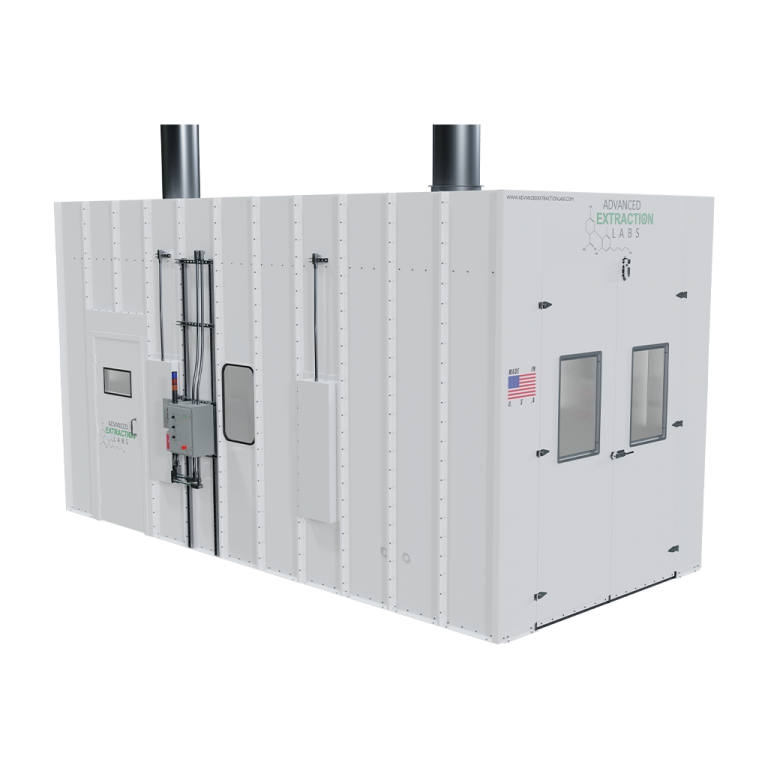
Using solvents in extraction requires stringent safety measures. Facilities like those designed by Advanced Extraction Labs offer C1D1 and C1D2 compliant environments that ensure the safe handling of volatile solvents, preventing accidents and ensuring compliance with regulations. These controlled environments not only protect the staff but also safeguard the integrity of the extracts produced.
Choosing the Best Environment for Extraction
Selecting the appropriate environment for extraction is as critical as the solvent itself. Facilities equipped with the latest safety technologies, like those provided by Advanced Extraction Labs, offer peace of mind and ensure that the extraction process adheres to the highest standards. Their labs are specifically designed to handle the demands of different solvents, providing optimal conditions for efficient and safe extraction.

Conclusion
The choice of solvent in extraction has profound implications for the quality of the final product and the safety of the extraction process. By understanding the properties of different solvents and the importance of compliant extraction facilities, producers can achieve superior quality oils while maintaining high safety standards.
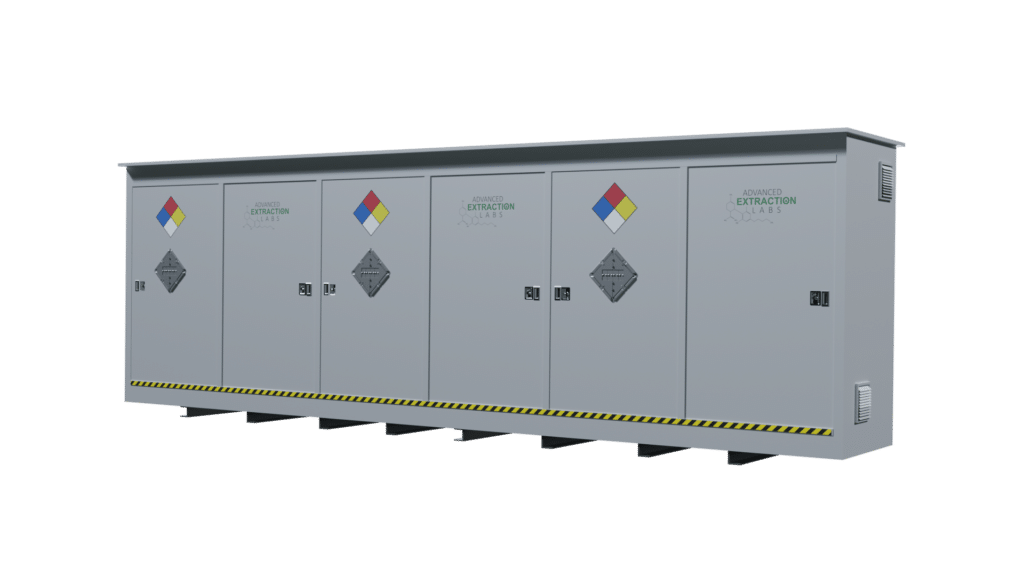
For more information on safe extraction practices and compliant facilities, visit Advanced Extraction Labs or see AEL’s Solvent Containers. For information on safety standards and practices related to chemical handling and storage, the National Fire Protection Association (NFPA) provides comprehensive guidelines. You can find detailed safety information relevant to solvent use in extraction processes at their website:
Visit NFPA for more details on safety standards. Or read our post about propane extraction for more.