A new law in California now allows licensedretailers to expand their services by offering on-site consumption with food, non-alcoholic drinks, and even hosting live events. Signed by Governor Gavin Newsom in September, the law officially went into effect in November 2024, opening the door for Amsterdam-style cafes across the state.
Retailers in cities like Los Angeles and San Francisco, which already have established consumption lounge regulations, are expected to lead the charge in rolling out these enhanced services. This law marks a significant shift in how businesses can operate, creating exciting new opportunities while raising questions about compliance and safety.
In this blog, we’ll explore the key elements of California’s cafe law, its implications for businesses, and how it may shape the future of the industry. For additional insights, check out Marijuana Moment’s detailed coverage of the law, or peruse through our LA wildlife relief post for more.
1. What Does the New California Cafe Law Allow?
Under this new legislation, cafes can now offer far more than just a place to consume marijuana products. Retailers will have the option to provide:
- Non-food (excluding hemp-derived items).
- Non-alcoholic beverages, such as coffee, tea, and juices.
- Live entertainment, including music, comedy shows, and other events.
Local governments still have the final say in whether cafes can operate in their jurisdictions, so businesses must seek approval before expanding their services.
Key Requirements:
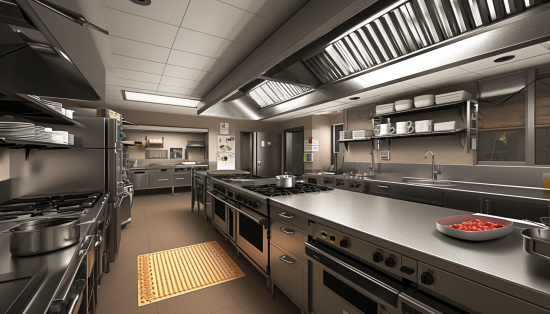
- Separation of Areas: To protect workers, there must be a clear separation between public consumption areas and spaces where food is prepared or stored.
- Employee Safety: Employers must provide safety training for employees regarding the risks of secondhand smoke, and workers have the right to wear employer-provided masks if desired.
- Distinct Product Storage: Non- food and drink items must be stored separately from products.
By addressing public health concerns raised in earlier versions of the bill, the enacted law balances business opportunities with safety considerations.
2. Opportunities for s Businesses
This law represents a huge opportunity for retailers to diversify their revenue streams and attract new customers. Here’s how businesses stand to benefit:
a. Increased Foot Traffic
cafes will offer a more relaxed, social atmosphere, akin to coffee shops or lounges, encouraging longer customer visits and repeat business. Retailers can cater to a broader demographic by offering food and drinks alongside their products.
b. Enhanced Customer Experience
By creating a cafe-like environment, businesses can offer a unique experience where customers can enjoy products while sipping on a cappuccino or munching on a pastry. This shift could help destigmatize consumption and make it more accessible to newcomers.
c. New Event Opportunities
With the ability to host live entertainment, such as concerts or comedy shows, cafes can generate additional revenue through ticket sales and boost product purchases during events.
Example: According to Jay Handal, co-founder of West Hollywood’s lounge The Woods, the law is a win-win for both businesses and consumers. “It’s going to be good for the consumer as well because now they can sit as if they were in Starbucks—they can take out their computer, do their work on our Wi-Fi and have a cup of cappuccino or a pastry,” he told Fox 11.
3. Challenges and Compliance
While the law offers exciting possibilities, it also introduces new challenges, particularly around compliance and safety. businesses must navigate a complex web of local regulations and safety protocols to ensure their cafes operate legally and responsibly.
a. Local Government Approvals
Even though the state law allows cafes, local governments have the final say in whether to permit these businesses. Retailers must work closely with local officials to understand zoning requirements and licensing processes.
b. Health and Safety Compliance
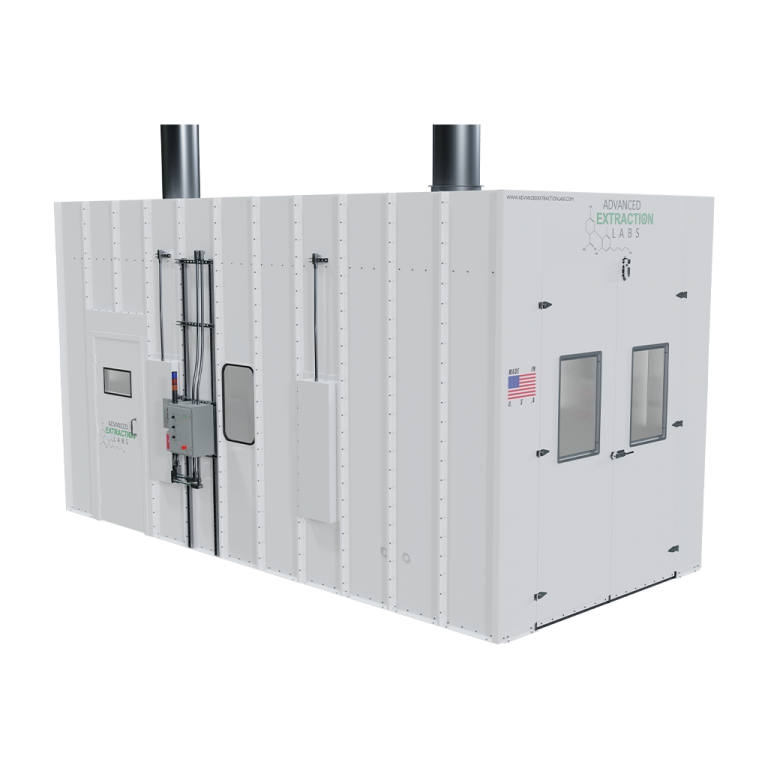
To address concerns about secondhand smoke, the law requires cafes to follow strict safety guidelines, including employee training and ventilation requirements. Businesses should invest in C1D1-compliant ventilation systems to maintain air quality and protect patrons and employees.
For more on air quality standards in facilities, visit OSHA’s Ventilation Guidelines.
c. Distinct Storage Areas
cafes must maintain separate storage for items and products. This ensures food safety while keeping operations compliant with state and local health codes.
4. How This Law Could Change the Landscape
The introduction of cafes could significantly reshape theindustry by:
- Normalizing Consumption: cafes create social spaces where consumption is accepted, helping to reduce stigma.
- Boosting Local Economies: Increased foot traffic and tourism could benefit not just retailers, but surrounding businesses as well.
- Expanding the Market: By offering food and drink options, cafes can appeal to a wider demographic, including non-consumers who may simply enjoy the ambiance.
In the longer term, if other states follow California’s lead, we may see a broader shift in how is marketed and consumed across the U.S.

A New Era for Retail
California’s new cafe law is a landmark development for the industry, offering businesses the chance to innovate and provide enhanced services. While compliance and local approvals remain hurdles, the potential for increased revenue and improved customer experience makes cafes an exciting prospect.
If you’re a operator looking to expand your facilities or need C1D1-compliant solutions to meet new safety requirements, Advanced Extraction Labs offers turnkey solutions tailored for businesses.