
In extraction labs, clean rooms are essential for creating controlled environments free from contamination. Whether for processing plant materials or manufacturing products, clean rooms ensure product quality and safety while meeting regulatory compliance standards.
Maintaining a clean room involves more than just cleaning—it requires strict protocols, specialized equipment, and regular monitoring to ensure contamination-free operations. In this blog, we’ll discuss the importance of clean rooms, how to maintain them, and the regulations that govern their use in extraction facilities.
1. Why Clean Rooms Are Crucial in Labs
products, particularly concentrates and edibles, are highly sensitive to contamination from dust, mold, bacteria, and other airborne particles. Clean rooms provide a sterile environment that prevents contamination and ensures product safety.
Key Benefits of Clean Rooms:
- Protect Product Integrity: Maintain purity and potency by eliminating contaminants.
- Ensure Safety: Create a safe environment for employees working with sensitive materials.
- Meet Regulatory Standards: Adhere to local and federal regulations, including Good Manufacturing Practices (GMP) guidelines.
- Improve Reputation: Consistently produce high-quality, contaminant-free products that build consumer trust.
2. Clean Room Classifications
Not all clean rooms are the same. They are classified based on the level of allowable particles per cubic meter, with ISO standards being the most commonly used system in the industry.
Common Clean Room Classifications:
- ISO 8: Suitable for less-sensitive processes; often used for packaging or pre-processing products.
- ISO 7: Ideal for extraction processes requiring moderate contamination control.
- ISO 6 and Higher: Used for highly sensitive operations like medical or pharmaceutical-grade products.
Each classification requires specific air filtration and monitoring systems to meet its standards.
3. Best Practices for Maintaining Clean Rooms
Maintaining a clean room involves a combination of strict cleaning protocols, employee training, and regular system inspections. Below are key steps to keep your lab’s clean room in optimal condition.
a. Implement Cleaning Protocols
- Daily Cleaning: Wipe down surfaces, equipment, and floors with approved cleaning agents to remove dust and particles.
- Deep Cleaning: Conduct periodic deep cleaning to remove stubborn contaminants and sanitize hard-to-reach areas.
- Disinfectant Use: Use alcohol-based or chemical disinfectants that are safe for processing environments.
b. Control Air Quality
Air quality is one of the most critical aspects of clean room maintenance. Use High-Efficiency Particulate Air (HEPA) filters to remove airborne particles and maintain a controlled environment.
- Regular Filter Replacement: Replace HEPA filters based on the manufacturer’s recommendations to maintain efficiency.
- Air Monitoring: Install air quality monitors to track particulate levels and identify potential issues in real time.
c. Establish Personnel Protocols
Employees are one of the largest sources of contamination in clean rooms. Implement strict personnel protocols to minimize risks.
- Protective Gear: Require lab coats, hairnets, gloves, and shoe covers for anyone entering the clean room.
- Access Control: Limit access to the clean room to authorized personnel only.
- Training: Train staff on proper clean room etiquette, including how to move and work without disrupting airflow.
d. Regular Equipment Maintenance
All equipment used in the clean room must be regularly inspected and maintained to ensure cleanliness and functionality.
- Sanitization: Clean and sanitize equipment before and after each use.
- Calibration: Regularly calibrate sensitive equipment like extraction systems to maintain accuracy.
4. Compliance Standards for Clean Rooms
labs must adhere to strict compliance standards to ensure their clean rooms meet industry regulations. Below are the key standards to consider:
a. Good Manufacturing Practices (GMP)
GMP guidelines set strict standards for cleanliness, air quality, and product handling to ensure consumer safety. Following GMP principles is often required for medical and pharmaceutical products.
b. ISO Standards
As mentioned earlier, ISO classifications govern clean room air quality. Ensure your clean room meets the required ISO standard for your specific processes.
c. OSHA Guidelines
The Occupational Safety and Health Administration (OSHA) provides safety standards for working in clean rooms, including air quality requirements and employee safety protocols. Explore more about clean room standards at OSHA’s Air Quality Guidelines.
5. AEL’s Clean Room Solutions
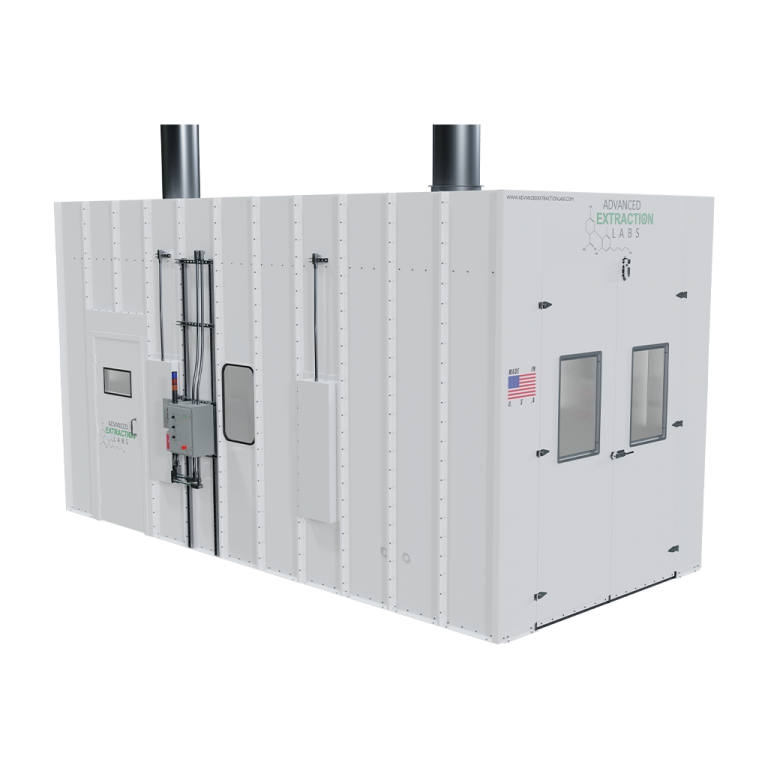
At Advanced Extraction Labs, we offer state-of-the-art modular clean rooms designed specifically for extraction labs. Our clean rooms are customizable to meet the unique needs of your facility and are built to comply with GMP and ISO standards.
Features of AEL Clean Rooms:
- Customizable Sizes: Tailored to fit your lab’s layout and operational requirements.
- HEPA Filtration Systems: Maintain superior air quality with advanced filtration technology.
- Seamless Construction: Prevent contamination with smooth, easy-to-clean surfaces.
- Turnkey Solutions: Pre-engineered designs allow for quick and hassle-free installation.
6. Tips for Long-Term Clean Room Efficiency
To maintain your clean room’s performance over time, follow these additional tips:
- Routine Inspections: Regularly inspect walls, ceilings, and floors for cracks or damage that could allow contaminants to enter.
- Monitor Airflow: Test airflow patterns to ensure air moves as designed without creating turbulence.
- Conduct Regular Audits: Schedule third-party inspections to verify compliance with GMP and ISO standards.

Conclusion: Clean Rooms Are Critical for Extraction
Clean rooms are an essential component of any extraction lab, ensuring a controlled environment that prioritizes safety, compliance, and product quality. By maintaining strict cleaning protocols, controlling air quality, and adhering to industry standards, you can create a reliable and contamination-free workspace.
For cutting-edge clean room solutions customized for your lab, visit Advanced Extraction Labs, or check out our other post on mushroom labs.