Setting up a extraction lab is an exciting venture but also requires meticulous planning and budgeting. From purchasing extraction equipment to ensuring compliance with regulations, there are many expenses to consider when building your lab. Creating a comprehensive budget is essential to ensure you’re financially prepared for both the initial setup and ongoing operational costs.
In this blog, we’ll guide you through the process of creating a realistic budget for your extraction lab. You’ll learn how to allocate funds for everything from equipment and facility build-out to licensing fees, raw materials, and employee costs—ensuring your lab operates efficiently and stays compliant.
1. Estimate Equipment Costs
One of the largest expenses for your extraction lab will be the purchase of equipment. The type of extraction method you choose—whether hydrocarbon, ethanol, or CO2—will dictate the cost of your core equipment.
Essential Equipment Costs:
- Extraction Systems: Depending on the scale, an extraction system can range from $20,000 to $200,000. This is the primary piece of equipment for your operation, so allocate a significant portion of your budget here.
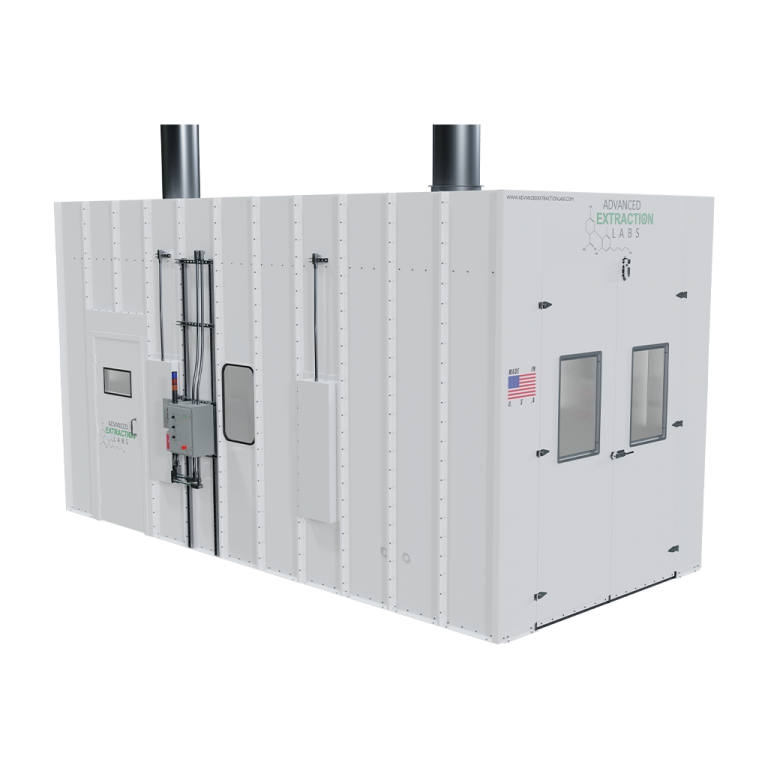
- C1D1 Extraction Booth: For hydrocarbon extraction, a C1D1 extraction booth is required to ensure compliance and safety. These can range from $50,000 to $150,000 depending on size and features.
- Post-Processing Equipment: You’ll need equipment like vacuum ovens, solvent recovery systems, and degassing chambers, which can cost $10,000 to $50,000 based on your operation’s size.
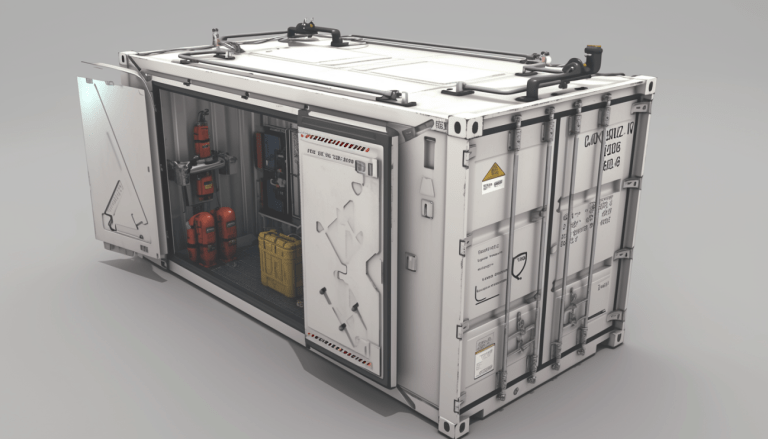
- Storage Solutions: Budget for chemical solvent containers and raw material storage to ensure safe handling of solvents and biomass.
Understanding equipment costs allows you to make informed purchasing decisions, ensuring that your lab runs efficiently and meets safety standards.
2. Factor in Facility Build-Out
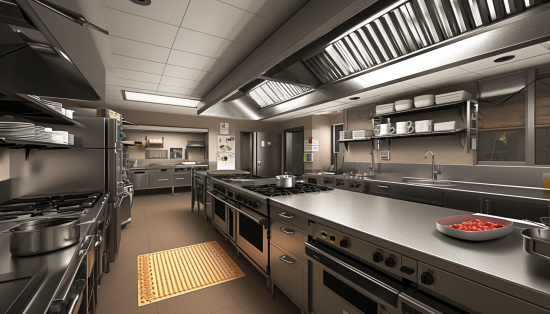
The facility where your lab operates must be equipped to handle the extraction process safely and efficiently. Whether you’re retrofitting an existing building or constructing a new one, facility build-out will represent a significant portion of your budget.
Build-Out Considerations:
- Facility Acquisition: Depending on your location, leasing or purchasing a facility may range from $10 to $50 per square foot annually.
- Construction and Retrofitting: If you need to retrofit your facility to meet extraction standards, including adding ventilation, HVAC systems, and fire suppression systems, expect construction costs of $50,000 to $500,000.
- Safety Installations: Compliance with fire and building codes will require investments in fire suppression systems, emergency exits, and explosion-proof features, costing $10,000 to $30,000.
A properly designed facility ensures safety and efficiency, so it’s critical to allocate enough funds to meet these requirements. OSHA guidelines.
3. Plan for Licensing and Compliance Costs
Navigating regulations can be complex, and obtaining the proper licenses is both a legal and financial requirement. Each state has different licensing fees and regulations for extraction, so it’s important to budget for these costs early on.
Licensing and Compliance Costs:
- Licensing Fees: Depending on your location, extraction licenses can range from $5,000 to $50,000, covering both the initial application and ongoing renewal fees.
- C1D1 Compliance: If you’re using volatile solvents like butane or propane, you’ll need to meet C1D1 safety standards, which require certification and inspection costs of $2,000 to $10,000.
- Environmental and Safety Inspections: Regular inspections for hazardous waste disposal, air quality control, and fire safety can cost $1,000 to $5,000 annually.
Planning for compliance ensures that you avoid costly fines and disruptions to your operations down the line.
4. Include Costs for Raw Materials and Solvents
Raw materials and solvents are the core of your extraction process, and these must be factored into both your startup and ongoing operational budgets.
Raw Material Costs:
- Biomass: Depending on whether you’re purchasing trim or premium flower, expect to spend $500 to $2,500 per pound of biomass.
- Solvents: The cost of solvents like butane, propane, or ethanol will vary based on your extraction method. A tank of butane typically costs $400 to $600, while ethanol is cheaper but requires larger volumes.
- Solvent Recovery: Implementing a solvent recovery system can reduce your ongoing solvent costs by allowing you to reuse solvents. This requires an upfront investment but will save you money in the long term.
Accurately budgeting for raw materials and solvents ensures that you can maintain a steady production cycle without interruptions.
5. Account for Ongoing Operational Expenses
Once your extraction lab is set up, there will be ongoing operational costs to consider. These include utilities, maintenance, employee salaries, and consumables, all of which are necessary to keep your lab running smoothly.
Ongoing Operational Costs:
- Labor: Depending on the size of your lab, you’ll need to hire qualified lab technicians, extraction specialists, and safety personnel. Salaries typically range from $50,000 to $100,000 annually per employee.
- Utilities: Running extraction equipment, HVAC systems, and ventilation will result in significant utility costs, ranging from $2,000 to $10,000 per month depending on the scale of your operation.
- Equipment Maintenance: Regular maintenance for extraction systems, recovery pumps, and C1D1 booths is critical for preventing downtime. Budget around $10,000 to $20,000 annually for maintenance and spare parts.
- Insurance: Specialized insurance for labs can cost between $10,000 to $30,000 annually, covering property, equipment, and liability protection.
Factoring in these ongoing costs ensures your lab operates efficiently and that you can sustain your business long-term.
6. Allocate Funds for Marketing and Distribution
Once your lab is up and running, you’ll need to allocate funds for marketing and distributing your extracts. Building brand recognition and getting your product to market will require some investment.
Marketing and Distribution Costs:
- Branding and Packaging: Custom packaging and branding are key to standing out in the competitive market. Budget $10,000 to $50,000 for product branding, labels, and compliant packaging.
- Distribution: If you plan to work with distributors or delivery services to get your products to retailers, set aside funds for distribution fees or the salary of a sales team. This could range from $5,000 to $20,000 per month depending on your scale.
- Digital Marketing: A website, SEO optimization, and digital advertising campaigns are crucial for generating consumer interest. Plan to spend $5,000 to $15,000 upfront for a solid digital presence.
A smart marketing and distribution plan will help your brand gain visibility and ensure steady sales.

Building a Realistic Budget for Your Extraction Lab
Creating a detailed, realistic budget for your extraction lab is essential for ensuring a successful launch and sustained operations. From equipment purchases and facility build-out to licensing and ongoing operational costs, every aspect of your lab setup requires financial planning.
By taking the time to research and allocate funds appropriately, you can avoid unexpected expenses and ensure your lab operates smoothly from day one. For industry-leading extraction equipment, modular labs, and expert advice, visit Advanced Extraction Labs.