Running a extraction lab comes with a unique set of challenges, and maintaining compliance is one of the most critical. From handling hazardous solvents to following fire safety regulations and managing waste disposal, staying compliant with local, state, and federal guidelines is essential for keeping your lab operational and avoiding costly fines or shutdowns.
In this blog, we’ll explore how to maintain compliance in extraction labs by focusing on key areas like safety protocols, proper equipment, environmental regulations, and waste management. These tips will help ensure that your lab meets all necessary standards while operating efficiently and safely. Along with compliance, learn how to ensure proper hazardous waste management for more.
1. Ensure C1D1 and C1D2 Compliance for Extraction Processes
If your lab uses volatile solvents such as butane, propane, or ethanol, ensuring C1D1 (Class 1, Division 1) or C1D2 (Class 1, Division 2) compliance is mandatory. These safety standards are set by the National Fire Protection Association (NFPA) and Occupational Safety and Health Administration (OSHA) to reduce the risk of explosions or fires in hazardous environments.
Key Requirements for C1D1/C1D2 Compliance:
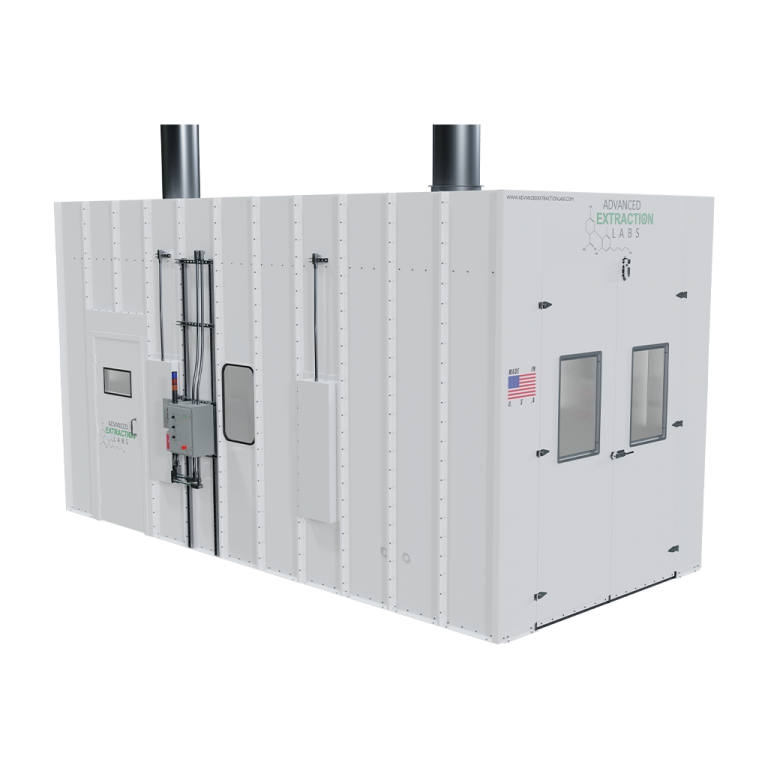
- Explosion-Proof Equipment: All electrical systems, lighting, and ventilation in C1D1 or C1D2 environments must be explosion-proof to prevent the ignition of flammable gases. This includes installing C1D1 extraction booths that are specifically designed for these high-risk processes.
- Proper Ventilation: Ventilation is critical to prevent the buildup of flammable vapors. Your lab should have a well-designed airflow system that provides a high rate of air exchange, along with explosion-proof fans.
- Gas Detection Systems: Install gas detectors in C1D1 and C1D2 areas to monitor the air for dangerous levels of flammable gases. These systems provide real-time alerts if gas concentrations rise above safe limits, allowing for immediate action.
Maintaining proper C1D1 and C1D2 compliance ensures the safety of your lab personnel while minimizing the risk of accidents and keeping your operation within regulatory guidelines.
2. Train Employees on Safety Protocols and Equipment Usage
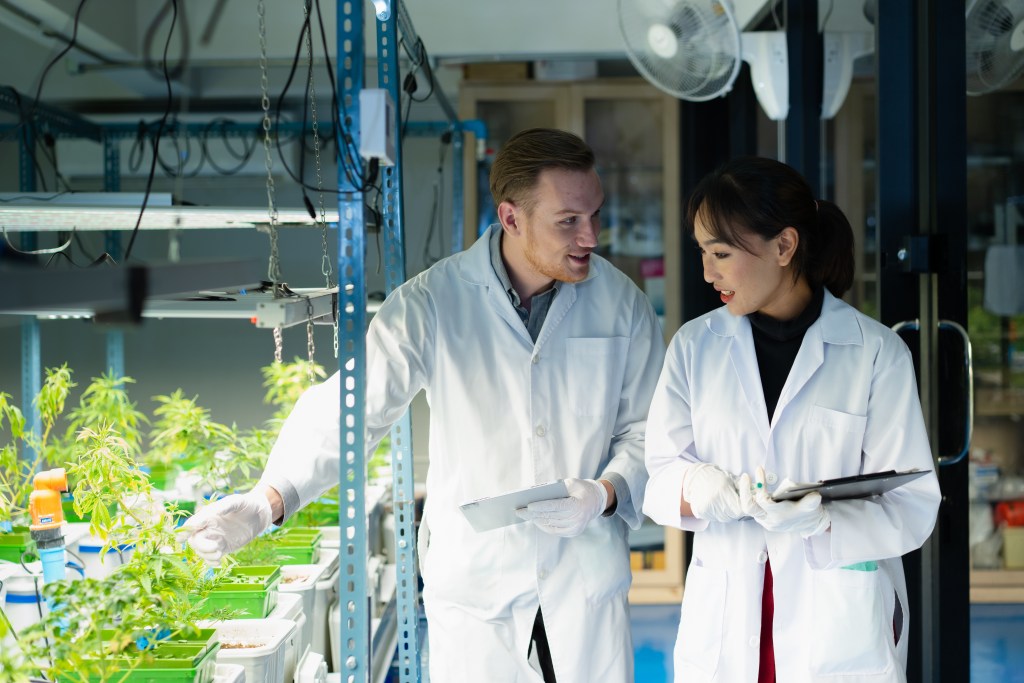
No matter how advanced your extraction equipment or how stringent your safety protocols are, compliance ultimately depends on the people who operate your lab. Regularly training your staff on equipment usage, safety measures, and emergency procedures is essential for maintaining a compliant and efficient workplace.
Employee Training Focus Areas:
- PPE Requirements: Ensure that all employees are aware of and consistently use personal protective equipment (PPE), including flame-resistant clothing, gloves, and goggles when working with flammable solvents.
- Emergency Procedures: Regularly conduct fire drills and safety drills so that employees know how to quickly respond to a fire, gas leak, or explosion. Emergency shutoff procedures for equipment should be clearly communicated to all staff members.
- Proper Equipment Use: Staff should be well-trained on how to operate extraction systems, storage containers, and ventilation systems. Misuse of equipment can lead to safety violations and regulatory breaches.
Well-trained employees not only help you avoid compliance issues but also create a safer and more efficient working environment for everyone.
3. Manage Hazardous Waste Properly
extraction labs generate a significant amount of hazardous waste, from spent solvents and contaminated materials to chemical byproducts. Improper handling of hazardous waste can lead to environmental violations, hefty fines, and even the shutdown of your lab. To maintain compliance, it’s crucial to follow strict waste management protocols.
Best Practices for Hazardous Waste Management:
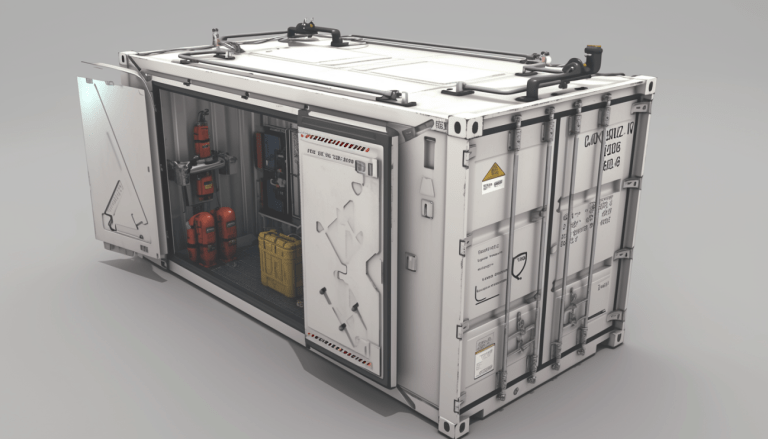
- Certified Containers: Store all hazardous waste in certified chemical solvent containers that are designed to prevent leaks and spills. Make sure containers are properly labeled to identify their contents and hazards.
- Waste Disposal Services: Partner with a licensed hazardous waste disposal service to ensure that waste is disposed of according to local, state, and federal regulations. Keeping detailed records of waste disposal activities is essential for passing audits or inspections.
- Solvent Recovery Systems: Using a solvent recovery system can significantly reduce the amount of hazardous waste generated by your lab, while also lowering operational costs by allowing you to reuse solvents.
By following these hazardous waste management practices, you’ll not only stay compliant but also contribute to a safer and more environmentally responsible lab.
4. Stay Compliant with Local, State, and Federal Regulations
extraction labs are subject to various layers of regulation, from local building codes to statelicensing requirements and federal safety standards. Navigating these regulations can be complex, but staying compliant is critical to maintaining your operation and avoiding legal issues.
Key Areas of Compliance:
- Licensing: Depending on your state, you may need to apply for a specific extraction license in addition to your standard business license. These licenses often come with strict operational guidelines regarding safety, security, and reporting.
- Fire and Building Codes: Local fire departments typically enforce fire safety standards in extraction labs, including the installation of fire suppression systems, emergency exits, and explosion-proof equipment. Stay in close contact with local authorities to ensure compliance.
- OSHA Standards: The Occupational Safety and Health Administration (OSHA) regulates workplace safety across the U.S. Compliance with OSHA standards for chemical handling, hazardous materials, and emergency protocols is essential to avoid costly penalties.
Staying up-to-date on local, state, and federal regulations can be a daunting task, but regular audits, consultations with regulatory experts, and maintaining detailed documentation will help ensure your lab remains compliant.
5. Document Everything: From Training to Inspections
Maintaining compliance doesn’t end with following the rules—you also need to document every aspect of your lab’s operations to prove that you’re meeting regulatory requirements. In the event of an inspection or audit, well-organized records can make all the difference between passing with flying colors or facing penalties.
Important Documentation to Maintain:
- Training Records: Keep detailed records of employee training sessions, including the topics covered, dates, and who attended. This documentation demonstrates that your team is properly trained in safety protocols and equipment use.
- Maintenance Logs: Document regular maintenance and inspections of extraction systems, ventilation systems, and fire suppression equipment. A consistent maintenance schedule helps you stay compliant with OSHA and NFPA standards.
- Waste Disposal Records: Keep all receipts, invoices, and documentation from hazardous waste disposal services to show that your lab is responsibly managing its waste.
- Inspection Reports: After any internal or third-party inspections, document the findings and note any corrective actions that were taken. This ensures that your lab remains compliant and prepared for future audits.
By maintaining thorough records of your lab’s operations, you can easily demonstrate compliance and avoid disruptions due to incomplete or missing documentation.
6. Plan for Regular Audits and Inspections
Even if you believe your lab is fully compliant, regular audits and inspections are essential to ensure that all processes are functioning as they should. Internal audits help identify any potential compliance gaps, while third-party inspections provide an objective assessment of your lab’s adherence to regulations.
Audit and Inspection Tips:
- Conduct Internal Audits: Schedule internal audits at least twice a year to review safety protocols, equipment maintenance, waste management practices, and regulatory documentation. Internal audits allow you to catch any issues before an official inspection.
- Hire Third-Party Inspectors: Having a third-party expert conduct periodic inspections ensures that your lab is in full compliance with industry regulations. These inspections are particularly helpful for identifying potential safety or compliance issues that you may have overlooked.
- Corrective Action Plans: If any issues are identified during an audit or inspection, create a corrective action plan to address them. Make sure these plans are documented and that corrective actions are implemented promptly.
Regular audits and inspections not only help you stay compliant but also provide an opportunity to continuously improve the safety and efficiency of your extraction lab.
Compliance Is Key to Success in Extraction
Maintaining compliance in a extraction lab is a multi-faceted responsibility that involves adhering to safety protocols, managing hazardous waste, meeting local and federal regulations, and ensuring that your team is properly trained. By staying vigilant in these areas and keeping meticulous records, you can avoid costly penalties, protect your lab’s reputation, and ensure its long-term success.
For compliant and fully certified equipment like C1D1 extraction booths, solvent storage containers, and ventilation systems, check out the industry-leading solutions available at Advanced Extraction Labs.