extraction labs often operate in high-risk environments where flammable solvents like butane or propane are used. For facilities classified as Class I Division 1 (C1D1), where flammable gases or vapors may be present during normal operations, fire suppression is not optional—it’s essential. Without robust safety measures in place, labs face significant risks to personnel, equipment, and compliance.
This blog will explore why fire suppression systems are crucial in C1D1 labs, outline key safety guidelines from NFPA 36, and provide actionable steps to create a safer, compliant workspace. Learn more about NFPA compliance today.
1. Understanding C1D1 Laboratories
Class I Division 1 (C1D1) labs are environments where flammable gases or vapors are present during routine operations. These labs are common in extraction facilities that rely on volatile solvents. Due to the high-risk nature of their processes, strict safety protocols and specialized fire suppression systems are required to mitigate potential hazards.
What Makes C1D1 Labs High Risk?
- Flammable Materials: Solvents such as butane, ethanol, and propane are frequently used and highly volatile.
- Potential Ignition Sources: Equipment, electrical systems, and even static electricity can ignite flammable vapors.
- Operational Hazards: Spills, leaks, and human error increase the likelihood of fire incidents.
Because of these risks, C1D1 labs are heavily regulated and must adhere to strict safety standards like those outlined in NFPA 36.
2. Why Fire Suppression is Essential in C1D1 Labs
The primary goal of fire suppression in extraction labs is to prevent small incidents from escalating into catastrophic fires or explosions. Without effective fire suppression, labs risk significant harm to personnel, property, and production processes.
Benefits of Fire Suppression Systems:
- Protect Personnel: Safeguard workers from fire-related injuries or exposure to toxic fumes.
- Prevent Equipment Damage: Protect expensive extraction equipment from irreversible damage.
- Ensure Compliance: Meet regulatory requirements from organizations like NFPA, OSHA, and local authorities.
- Minimize Downtime: Quickly suppressing fires allows operations to resume with minimal disruption.
3. Key Fire Suppression Guidelines from NFPA 36
The National Fire Protection Association (NFPA) 36 provides comprehensive guidelines for solvent extraction facilities. These recommendations are critical for ensuring fire suppression systems are effective and compliant in C1D1 environments.
a. Designated Hazard Areas
Clearly identify and isolate areas where flammable liquids are stored or used. Fire suppression systems should be tailored to these high-risk zones.
b. Fire Suppression Systems
NFPA 36 recommends using suppression systems designed for flammable liquids. Common options include:
- Foam Suppression Systems: Effective for fires involving flammable liquids.
- Water Spray Systems: Provide cooling and fire containment for high-risk areas.
- Clean Agent Systems: Use gas-based agents to suppress fires without damaging sensitive equipment.
c. Automatic Fire Detection
Install automatic fire detection systems that activate alarms and suppression systems at the earliest sign of danger. Early detection is crucial in high-risk environments.
d. Accessibility and Maintenance
Ensure fire suppression systems are easily accessible and regularly maintained. Routine inspections and tests are required to ensure systems function correctly in emergencies.
e. Staff Training
Train all personnel on the operation of fire suppression systems and emergency protocols. Regular fire drills improve preparedness and response times.
4. Best Practices for Fire Safety in C1D1 Labs
In addition to installing fire suppression systems, there are several best practices that every extraction lab should follow to minimize fire risks.
a. Keep Material Safety Data Sheets (MSDS) Updated
Maintain up-to-date Material Safety Data Sheets (MSDS) for all solvents and materials used in the lab. This information helps employees and first responders understand the hazards associated with each substance and choose the correct suppression methods.
b. Implement Robust Ventilation
Proper ventilation reduces the risk of vapor accumulation, lowering the chances of ignition. Explosion-proof ventilation systems are especially critical in C1D1 labs.
c. Use Fire-Rated Equipment
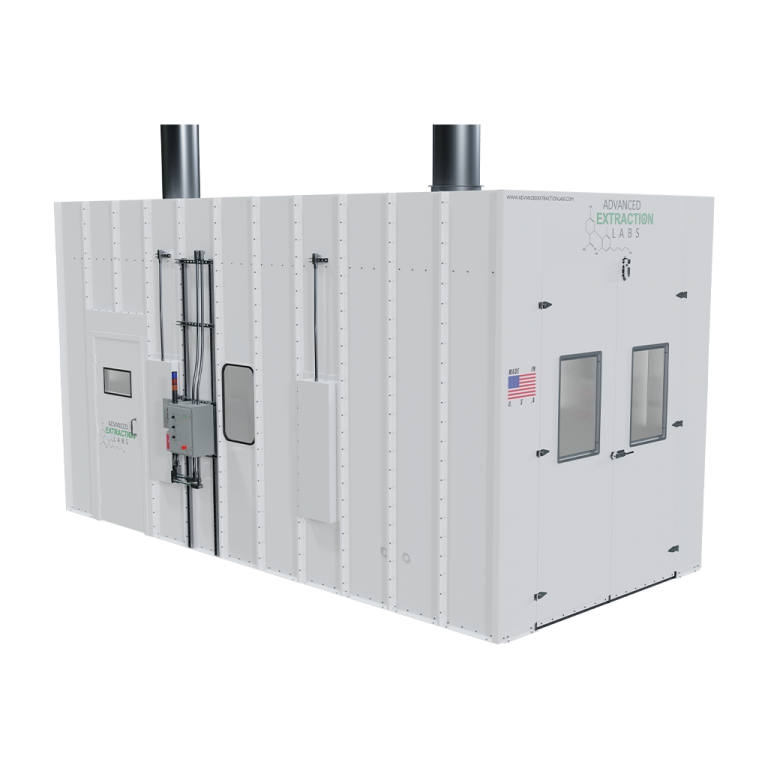
All equipment and storage containers in C1D1 labs should be fire-rated and comply with safety standards. For example, Advanced Extraction Labs offers fire-rated solvent storage solutions designed for extraction facilities.
d. Emergency Protocols
Develop clear emergency protocols and conduct regular fire drills to ensure all employees know what to do in the event of a fire.
e. Regular Inspections
Schedule routine inspections for all fire suppression systems and ensure that any issues are addressed immediately.
5. Advanced Fire Suppression Systems for C1D1 Labs
Investing in the right fire suppression system is one of the most important safety decisions a extraction lab can make. Modern suppression systems are tailored to the unique needs of C1D1 labs, ensuring maximum safety and compliance.
Key Features of Advanced Systems:
- Automatic Activation: Suppression systems that detect heat or flames and activate automatically.
- Minimal Equipment Damage: Use clean agents to suppress fires without harming sensitive extraction equipment.
- Customizable Configurations: Systems tailored to specific facility layouts and hazard zones.
Advanced Extraction Labs offers customized C1D1 lab solutions, including state-of-the-art fire suppression systems that meet or exceed NFPA 36 guidelines.
6. The Importance of Compliance
Compliance with NFPA 36 and other safety standards is not just a legal requirement—it’s a critical aspect of risk management. Failure to comply can result in fines, operational shutdowns, and even legal liability. By prioritizing fire suppression and adhering to NFPA 36, extraction labs demonstrate their commitment to safety and operational excellence.
Regulatory Bodies to Consider:
- NFPA: Sets fire safety standards for solvent extraction labs.
- OSHA: Regulates workplace safety and hazardous materials handling.
- AHJs (Authorities Having Jurisdiction): Local fire marshals and regulators who enforce compliance.

Prioritizing Fire Suppression in C1D1 Labs
Effective fire suppression is essential for the safety, compliance, and operational efficiency of extraction labs. By implementing NFPA 36-compliant suppression systems, maintaining proper ventilation, and training staff on emergency protocols, labs can create a safer environment for everyone involved.
For customized fire suppression solutions tailored to C1D1 labs, visit Advanced Extraction Labs. Protect your team, equipment, and operations with industry-leading safety systems.