As the industry evolves, 2025 promises potential opportunities alongside significant risks for investors. From anticipated federal reforms, market consolidation, and evolving state-level programs to lingering challenges like price pressure and unregulated hemp products, the market offers a mix of both volatility and growth potential.
This blog outlines seven key trends investors should keep a close eye on in 2025, drawing insights from MJBizDaily’s original article by guest columnist Anthony Coniglio.
1. State-Level Expansions
While federal reform often dominates the headlines, state-level changes remain the primary driver of market growth. Several states are poised for significant industry developments in 2025:
- Ohio: Adult-use rollout is expected to proceed steadily, with opportunities for investors as the market matures.
- Pennsylvania: While adult-use legalization is still being debated, there’s optimism that 2025 could see progress.
- Kentucky: The state has started awarding operator licenses, with its medical marijuana program expected to launch in 2025.
- North Carolina: Though the state Senate passed a medical marijuana bill in 2024, its future remains uncertain due to reluctance in the House.
Staying informed on state-level regulations is critical for investors looking to capitalize on localized growth opportunities.
2. Federal Rescheduling of
Federal rescheduling of marijuana to Schedule 3 under the Controlled Substances Act is widely expected to occur in 2025.
If marijuana is reclassified, it would have a major impact on the industry, particularly regarding tax burdens. Under Schedule 1, businesses are subject to Section 280E, which prevents them from deducting standard business expenses.
Rescheduling to Schedule 3 would:
- Reduce tax liabilities for operators.
- Improve profitability by allowing standard expense deductions.
- Attract more institutional investment as perceived risk decreases.
However, while rescheduling would ease taxation issues, it would not solve the industry’s lack of access to traditional banking services.
3. The Prospect of Banking Reform
The SAFE Banking Act has stalled in Congress for years, but President-elect Donald Trump’s campaign promises on supporting reform could push banking legislation forward in 2025.
Access to banking is one of the industry’s biggest hurdles, as operators currently rely on high-cost alternatives due to federal restrictions. Banking reform could:
- Reduce costs associated with cash-only operations.
- Enable more affordable financing options for businesses.
- Boost investor confidence by reducing risks related to cash handling and security.
Though the likelihood of SAFE Banking passing remains uncertain, investors should monitor policy discussions closely.
4. Increased Mergers & Acquisitions
Mergers and acquisitions (M&A) are expected to pick up in 2025 as operators look for ways to expand market share and improve margins amid slowing organic growth.
Key drivers of increased M&A activity include:
- Market consolidation: Weaker operators are likely to exit the market, creating acquisition opportunities for stronger players.
- Debt management: Strategic acquisitions could help companies improve cash flow and prepare for upcoming debt maturities in 2025 and 2026.
Investors should watch for deals involving well-capitalized multistate operators (MSOs) that have streamlined operations and optimized their balance sheets.
5. Market Stabilization Amid Pricing Pressure
While competition will remain intense, there are signs that the market could stabilize in 2025. Many weaker operators who relied on the hope of swift regulatory reform are running out of resources, which could reduce oversupply and help stabilize pricing in key markets.
However, pricing pressure will still challenge operators, especially in markets with fragmented supply chains and high taxes. Investors should focus on companies that demonstrate:
- Strong cost management practices.
- Operational efficiency in both cultivation and retail.
- Product differentiation to stand out in competitive markets.
6. The Unregulated Hemp Product Challenge
The continued sale of unregulated hemp-derived THC products, such as delta-8 and THC-O, poses a major challenge to the regulated market.
Although the 2024 Farm Bill was extended into 2025, lawmakers are under pressure to close the loophole that allows intoxicating hemp products to be sold outside the regulated system. If a new Farm Bill addresses this issue, it could significantly impact the competitive landscape by:
- Reducing competition from low-cost, unregulated products.
- Creating growth opportunities for regulated operators who diversify into hemp-derived THC.
Companies like Curaleaf Holdings and Green Thumb Industries have already entered the hemp-derived THC space, adopting a “join them” approach rather than competing directly.
7. Uncertainty Under the New Administration
Finally, the Trump administration’s approach to policy remains a wild card. While the president-elect expressed support for reform during his campaign, it’s unclear how high marijuana policy will rank on his list of priorities once in office.
Key areas to watch include:
- Appointments at federal agencies, such as the DEA and FDA, which will play a role in rescheduling.
- Legislative initiatives, such as SAFE Banking and the States Reform Act, which could decriminalize marijuana at the federal level.
- State autonomy: Trump’s focus on states’ rights could result in more state-level discretion over marijuana policy.
Investors should be prepared for policy uncertainty and stay flexible in response to potential regulatory shifts.

Key Takeaways for Investors
2025 presents both opportunities and risks for investors. While federal reforms such as rescheduling and banking legislation could provide much-needed relief, ongoing challenges like pricing pressure and competition from unregulated hemp products remain.
Investors should focus on companies that demonstrate resilience, adaptability, and a clear path to profitability. Whether you’re evaluating M&A opportunities or exploring new markets, staying informed on both federal and state-level developments is critical.
For additional insights on investment strategies, check out MJBizDaily’s original article.
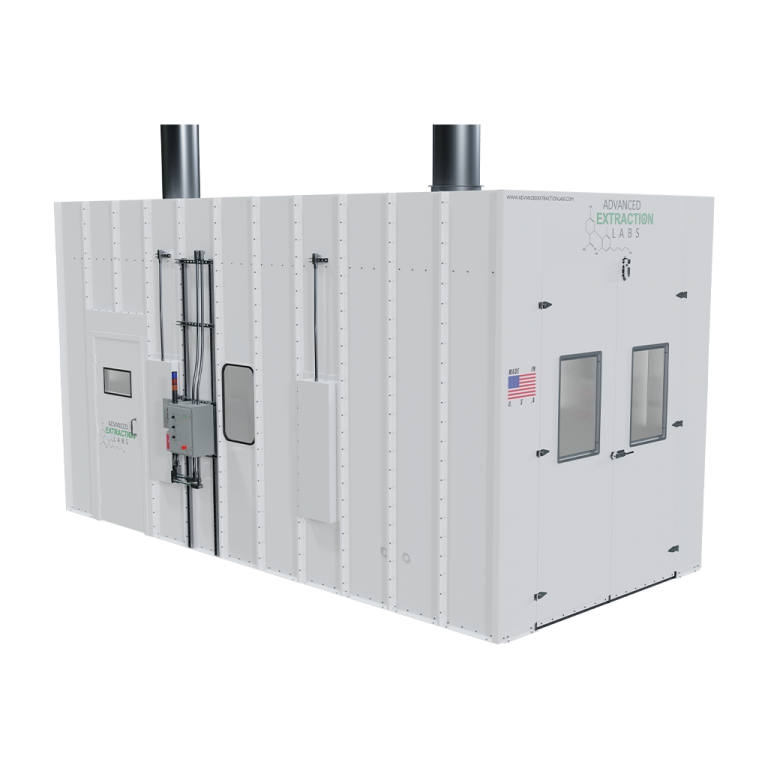
If you’re seeking solutions to enhance your operation’s efficiency, compliance, and safety, Advanced Extraction Labs offers cutting-edge modular lab systems and industry-leading expertise. Read on about how market expansion also plays a crucial factor today.