extraction is a complex process that often involves handling flammable solvents such as butane, propane, and ethanol. These solvents are highly effective for extraction but come with serious fire and explosion risks. That’s where C1D1 fire safety standards come into play. Ensuring your extraction lab meets C1D1 safety requirements can protect your team, your facility, and your investment.
In this blog, we’ll explore why fire safety is crucial in extraction labs, how C1D1 fire safety standards help minimize risks, and the essential steps you need to take to ensure compliance and safety in your facility.
1. What is C1D1 Fire Safety?
C1D1 stands for Class 1, Division 1, a safety classification set by the National Fire Protection Association (NFPA) and Occupational Safety and Health Administration (OSHA). It is applied to environments where flammable gases, vapors, or liquids are present during normal operations, such as in hydrocarbon extraction labs.
Key C1D1 Fire Safety Features:
- Explosion-Proof Equipment: All electrical systems, fans, and lighting in a C1D1 environment must be explosion-proof to prevent ignition of flammable gases.
- Proper Ventilation: C1D1 areas must have robust ventilation systems to remove flammable vapors and ensure a safe working atmosphere.
- Fire Suppression Systems: Fire suppression systems such as sprinklers or chemical extinguishers must be in place to control fires quickly in case of an emergency.
By adhering to C1D1 standards, you can greatly reduce the risk of fires and explosions in your extraction lab.
2. Why C1D1 Compliance is Crucial for Safety
extraction, particularly hydrocarbon-based methods, involves working with highly flammable solvents. If these solvents are not properly contained, ventilated, or monitored, the risk of fire or explosion dramatically increases.
Benefits of C1D1 Compliance:
- Prevents Accidents: Ensuring that your lab meets C1D1 fire safety standards helps prevent fires caused by ignition of flammable vapors.
- Protects Employees: Explosion-proof equipment, proper ventilation, and fire suppression systems keep your employees safe from harm.
- Avoids Shutdowns: Non-compliance with C1D1 standards can result in fines, penalties, or lab shutdowns by regulatory bodies.
- Increases Operational Efficiency: A safe work environment ensures that your lab can continue operating smoothly without disruption due to accidents or equipment failure.
Ensuring C1D1 compliance is critical for maintaining a safe extraction environment and protecting your operation from accidents and regulatory consequences.
3. Ventilation: A Key Component of C1D1 Fire Safety
Proper ventilation is one of the most important elements of C1D1 fire safety. Without adequate ventilation, flammable vapors can accumulate and create an explosive atmosphere. This is especially critical in hydrocarbon extraction labs, where solvents like butane and propane produce large amounts of vapor.
Ventilation Tips for C1D1 Compliance:
- High Air Exchange Rate: Install a ventilation system that provides a high rate of air exchange (measured in air changes per hour, or ACH) to quickly remove harmful vapors.
- Explosion-Proof Fans: Use explosion-proof fans in your ventilation system to prevent ignition of flammable gases.
- Proper Duct Placement: Ensure that ducts and exhaust points are placed strategically to allow efficient removal of vapors from work areas.
Investing in a robust ventilation system is essential for maintaining a safe environment in your extraction lab and ensuring compliance with C1D1 fire safety standards.
4. Fire Suppression Systems: Essential for C1D1 Labs
Even with proper ventilation and explosion-proof equipment, accidents can happen. That’s why fire suppression systems are a critical component of any C1D1 extraction lab. These systems are designed to detect and extinguish fires quickly, minimizing damage and preventing injuries.
Fire Suppression Systems for C1D1 Labs:
- Automatic Sprinkler Systems: Sprinklers are a common fire suppression method in C1D1 labs. They can quickly control fires by releasing water or foam to douse flames.
- Chemical Fire Suppression: Some labs opt for chemical-based fire suppression systems that release fire-suppressing agents designed to stop the fire without damaging equipment.
- Manual Fire Extinguishers: Ensure that fire extinguishers are strategically placed throughout your lab, particularly near extraction equipment and solvent storage areas.
Installing and maintaining a reliable fire suppression system is essential for protecting your lab from the risks associated with flammable solvents.
5. Explosion-Proof Equipment for C1D1 Environments
In a C1D1-rated extraction lab, using explosion-proof equipment is non-negotiable. Regular equipment, especially electrical devices, can ignite flammable vapors if not properly designed to handle such hazardous environments.
Key Explosion-Proof Equipment:
- Explosion-Proof Lighting: Regular lights can spark if they break or malfunction, so C1D1 labs require explosion-proof lighting that eliminates this risk.
- Explosion-Proof Fans: Fans and ventilation systems must be designed to safely operate in environments with flammable vapors.
- Explosion-Proof Electrical Systems: All wiring, switches, and outlets must be rated for C1D1 environments to prevent sparks or malfunctions that could lead to fires.
Choosing the right equipment is essential for maintaining a safe, compliant, and efficient lab setup.
6. Employee Training and Safety Protocols
Even with the best safety equipment in place, employee training is crucial for ensuring that your lab operates safely. Your staff should be fully trained on how to handle flammable solvents, use fire suppression systems, and respond to emergencies.
Key Safety Protocols to Implement:
- Emergency Shutoff Procedures: Train employees on how to shut down equipment in case of an emergency. This should include emergency stop buttons for extraction systems.
- Fire Safety Drills: Conduct regular fire drills so staff know exactly how to respond in case of a fire. Make sure they know where to find fire extinguishers and how to use them properly.
- PPE Requirements: Ensure that all employees are wearing the proper personal protective equipment (PPE), including flame-resistant clothing, gloves, and goggles, when handling flammable solvents.
Properly trained employees are your first line of defense in maintaining a safe and compliant C1D1 environment.
7. Regular Maintenance and Inspections
Ongoing maintenance and regular inspections of your C1D1 lab are critical to ensure that all safety systems remain operational. Equipment failure or worn-out components can compromise the safety of your lab, so it’s essential to keep everything in good working order.
Maintenance Checklist:
- Inspect Fire Suppression Systems: Check sprinklers, fire extinguishers, and other fire suppression systems regularly to ensure they are in working condition.
- Test Ventilation Systems: Ensure that your ventilation systems are operating at the correct airflow rate and that ducts are free from blockages.
- Check Explosion-Proof Equipment: Regularly inspect explosion-proof fans, lights, and electrical systems for any signs of wear or malfunction.
By conducting routine inspections and performing regular maintenance, you reduce the risk of accidents and ensure that your lab remains safe and compliant.

Prioritize Fire Safety with C1D1 Compliance
Fire safety in extraction labs isn’t something you can afford to overlook. With the use of flammable solvents, ensuring your lab meets C1D1 fire safety standards is critical to protecting your employees, your equipment, and your investment. From explosion-proof equipment and ventilation systems to fire suppression systems and staff training, every element of your lab must be designed with safety in mind.
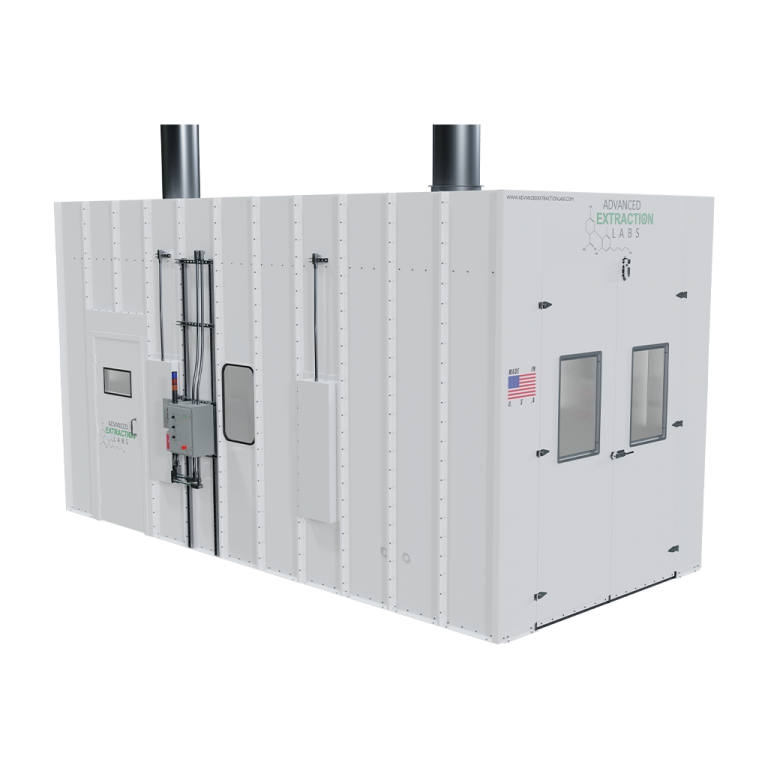
By following these best practices and maintaining C1D1 compliance, you can create a safer environment for your extraction lab and reduce the risk of costly accidents or shutdowns. For more information on C1D1 extraction booths and fire safety solutions, visit Advanced Extraction Labs. For more information, learn about how glass quality is crucial for the efficacy of your laboratory.