The extraction industry relies on energy-intensive processes, from solvent recovery to HVAC systems that maintain strict environmental controls. With rising energy costs and increasing sustainability regulations, extraction lab operators must find ways to improve efficiency without compromising product quality.
At Advanced Extraction Labs (AEL), we specialize in designing and manufacturing state-of-the-art extraction facilities that prioritize energy efficiency. Whether you’re building a new lab or optimizing an existing one, here are some of the best ways to reduce energy costs while maintaining a high level of compliance and safety.
1. Optimize HVAC and Ventilation Systems
Heating, ventilation, and air conditioning (HVAC) systems are among the largest energy consumers in an extraction lab. Maintaining proper airflow and temperature control is crucial for safety and compliance, but inefficient HVAC systems can drive up costs.
Ways to Improve HVAC Efficiency:
- Use Variable Frequency Drives (VFDs): These allow fans and pumps to operate at lower speeds when full capacity is unnecessary, reducing energy consumption.
- Optimize Airflow Design: Well-designed airflow patterns prevent unnecessary energy use while maintaining safe working conditions.
- Utilize Energy Recovery Ventilation (ERV): ERV systems capture and reuse energy from exhaust air to reduce heating and cooling costs.
2. Upgrade to Energy-Efficient Equipment
Extraction equipment, such as rotary evaporators, chillers, and CO2 pumps, can be optimized for energy efficiency. Investing in modern, high-efficiency models can lead to significant savings over time.
Best Practices for Equipment Efficiency:
- Choose High-Efficiency Chillers: Opt for chillers with advanced refrigerants and lower power consumption.
- Use Insulated Process Equipment: Proper insulation reduces heat loss and improves energy efficiency.
- Schedule Preventative Maintenance: Regular servicing ensures equipment runs at peak efficiency, reducing unnecessary energy use.
3. Implement LED Lighting and Smart Controls
Proper lighting is essential in an extraction lab, but traditional lighting systems consume a significant amount of energy. Upgrading to LED lighting and incorporating smart lighting controls can reduce electricity usage.
Energy-Saving Lighting Solutions:
- Switch to LED Lights: LEDs use up to 75% less energy and last longer than traditional bulbs.
- Install Motion Sensors and Timers: Automating lights ensures they are only used when needed.
- Optimize Task Lighting: Use focused lighting in work areas rather than fully illuminating the entire facility.
4. Improve Facility Insulation and Air Sealing
Temperature fluctuations can lead to excessive heating and cooling costs. Proper insulation helps maintain a stable indoor environment, reducing the energy required to regulate temperature.
Ways to Improve Insulation:
- Use High-Quality Insulated Panels: Modular cleanroom panels offer superior thermal insulation.
- Seal Air Leaks: Identify and seal gaps around doors, windows, and ventilation ducts to prevent energy waste.
- Install High-Efficiency Windows: Double-pane or low-emissivity (low-E) windows reduce heat transfer.
5. Utilize Renewable Energy Sources
Renewable energy options, such as solar panels and wind power, can significantly lower electricity costs for extraction labs. While the initial investment can be high, long-term savings and tax incentives make renewable energy a smart choice.
Renewable Energy Considerations:
- Install Solar Panels: Capture free energy from the sun to power lab operations.
- Use Battery Storage: Store excess energy for use during peak hours or outages.
- Explore Local Incentives: Many states offer rebates and tax credits for businesses adopting renewable energy.
6. Streamline Workflow to Reduce Unnecessary Energy Use
An inefficient workflow can lead to unnecessary energy consumption. By optimizing production schedules and reducing idle time for equipment, extraction labs can cut down on wasted energy.
Operational Efficiency Tips:
- Schedule Equipment Usage Strategically: Run high-energy equipment during off-peak hours to take advantage of lower electricity rates.
- Automate Processes Where Possible: Automated systems reduce human error and optimize energy use.
- Minimize Downtime: Ensure all processes are running efficiently with minimal idle time.
7. Conduct Regular Energy Audits
Energy audits help identify areas where efficiency can be improved. Conducting routine assessments allows lab operators to pinpoint energy waste and implement cost-saving measures.
Key Aspects of an Energy Audit:
- Monitor Energy Consumption: Use smart meters to track usage and identify trends.
- Assess Equipment Efficiency: Identify outdated or inefficient machinery.
- Evaluate Insulation and Sealing: Check for areas where heat or cooling is lost.
Partner with Advanced Extraction Labs for Energy-Efficient Solutions
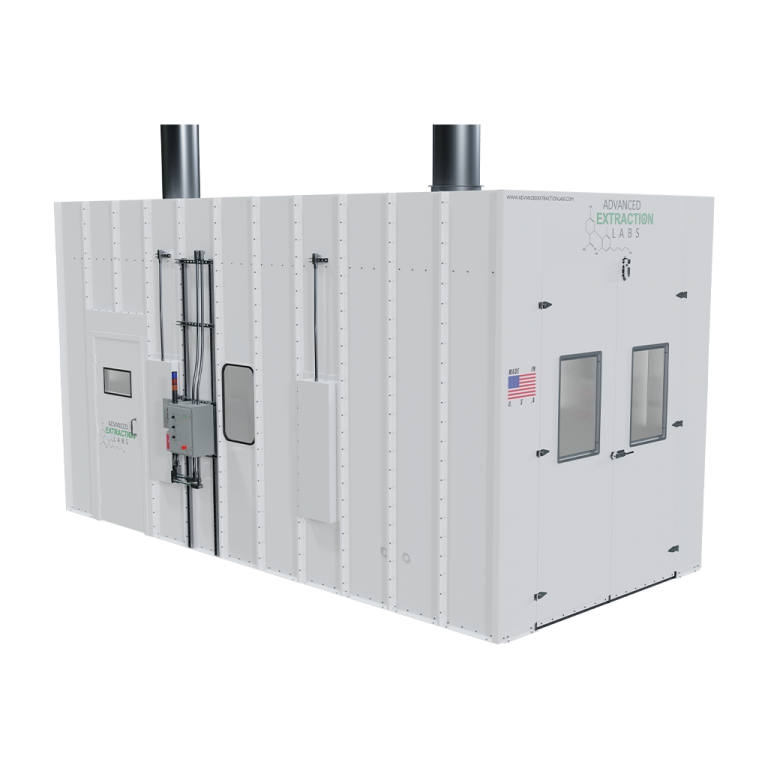
At Advanced Extraction Labs, we design and manufacture GMP-compliant, energy-efficient extraction labs that meet the highest industry standards. Our modular labs are built with sustainable materials, optimized for airflow, and equipped with energy-efficient technology.

Why Choose AEL?
- Custom-engineered lab designs that prioritize energy efficiency
- Turnkey solutions with state-of-the-art extraction equipment
- Expert guidance on HVAC optimization and sustainability
- Modular and scalable designs to future-proof your facility
Reducing energy costs in extraction is not only a smart financial decision but also a step toward a more sustainable future. Contact Advanced Extraction Labs today for a consultation and discover how we can help optimize your extraction lab for maximum efficiency.
Get in touch with us today to start reducing energy costs in your extraction facility.