extraction labs operate with flammable solvents, high-pressure equipment, and complex chemical processes, making safety and compliance a top priority. Whether you are running a C1D1-certified extraction facility or setting up a new lab, following strict safety measures ensures a secure work environment, regulatory approval, and long-term success.
In this guide, we will break down essential steps to maintain a safe, compliant, and efficient extraction lab.
1. Understand and Follow C1D1 & C1D2 Compliance Standards
C1D1 (Class 1, Division 1) and C1D2 (Class 1, Division 2) certifications are critical for extraction labs using volatile solvents such as butane, ethanol, and propane. These classifications follow OSHA and NFPA 70 (National Electric Code) standards to ensure hazardous environments are properly controlled.
C1D1 is required for labs where flammable gases or vapors are present under normal operating conditions.
C1D2 is required for labs where flammable substances are only present under abnormal conditions, such as leaks or spills.
Key Steps for Compliance:
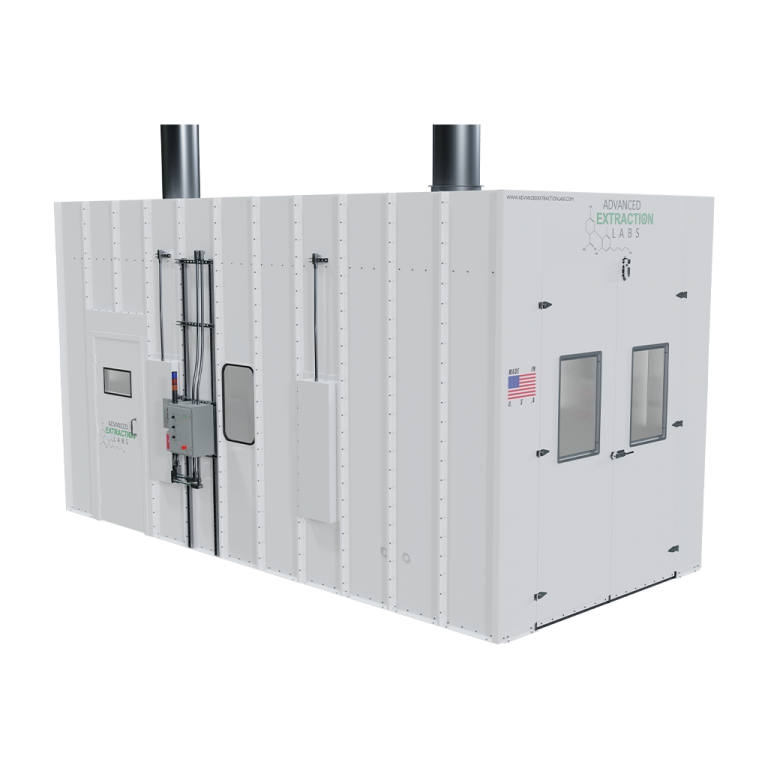
- Install C1D1-rated extraction booths, like those offered by Advanced Extraction Labs.
- Ensure explosion-proof electrical components and ventilation systems meet NFPA and NEC standards.
- Conduct third-party safety audits and routine inspections.
- Maintain up-to-date Standard Operating Procedures (SOPs) for emergency shutdowns and safety protocols.
2. Implement a Robust Ventilation and Air Filtration System
A proper ventilation system is crucial for removing hazardous fumes and maintaining air quality. Without adequate airflow, flammable vapors can accumulate, creating explosion risks.
Best Practices for Ventilation & Filtration:
- Use explosion-proof HVAC systems with active carbon filtration to remove solvents.
- Maintain a negative pressure environment to prevent vapor buildup.
- Install high-efficiency particulate air (HEPA) filters to trap airborne contaminants.
- Perform regular airflow testing to ensure compliance with OSHA and NFPA standards.
For detailed ventilation guidelines, refer to OSHA’s Laboratory Ventilation Guidelines.
3. Fire Suppression & Emergency Preparedness
Since extraction processes involve flammable materials, having fire suppression systems is mandatory for maintaining safety.
Fire Safety Essentials:
- Install fire suppression systems such as FM-200 or CO₂-based suppression for solvent-heavy areas.
- Equip labs with Class B fire extinguishers, specifically designed for flammable liquids.
- Implement an emergency evacuation plan with clear exit routes and fire drills.
- Store solvents in NFPA-rated fire-resistant chemical storage cabinets like those available at Advanced Extraction Labs.
Following NFPA 36: Standard for Solvent Extraction Plants is essential for compliance.
4. Safe Handling & Storage of Solvents
Improper solvent handling can lead to leaks, fires, and chemical exposure. Operators must follow strict protocols to ensure safety.
Solvent Handling Best Practices:
- Store flammable solvents in explosion-proof storage tanks.
- Use grounding and bonding techniques to prevent static discharge.
- Keep solvent transfer areas ventilated and free of ignition sources.
- Train staff on safe handling procedures and spill containment protocols.
For further guidance, check out NFPA’s Flammable Liquids Safety Standards.
5. Routine Maintenance & Equipment Inspections
To prevent accidents and ensure operational efficiency, regular maintenance and inspections are crucial.
Key Maintenance Practices:
- Inspect extraction equipment, including pumps, valves, and pressure vessels, weekly.
- Check C1D1 booths for airflow efficiency and proper grounding.
- Calibrate pressure and temperature sensors to prevent equipment failures.
- Maintain detailed inspection logs for regulatory compliance.
6. Employee Training & Safety Protocols
Proper staff training is one of the most effective ways to prevent accidents in extraction labs.
Essential Safety Training Topics:
- Handling volatile solvents and pressurized systems
- Fire prevention and emergency response procedures
- Proper use of PPE (Personal Protective Equipment)
- First aid and chemical exposure treatment
For effective training programs, follow OSHA’s Laboratory Safety Training Guide.
7. Implement a Comprehensive Compliance Management System
With constantly changing regulations, extraction labs need a centralized compliance system to track safety records, equipment inspections, and licensing updates.
Compliance Management Best Practices:
- Use automated compliance software to track safety inspections and regulatory deadlines.
- Maintain detailed records of employee training, SOPs, and incident reports.
- Stay updated with state and federal regulations to avoid fines or shutdowns.
- Conduct annual third-party audits to ensure continued compliance.

Prioritize Safety & Compliance for Long-Term Success
Maintaining a safe and compliant extraction lab is not just about meeting regulations—it is about protecting employees, ensuring high product quality, and preventing costly disruptions.
By following these best practices, your lab can reduce risks, improve efficiency, and maintain regulatory approval.
For cutting-edge C1D1 extraction booths, fire suppression solutions, and solvent storage systems, visit Advanced Extraction Labs today! Check out our decontamination methods for more information.