Optimizing Airflow for a Safer, More Efficient Extraction Lab
Proper airflow is one of the most critical components of a extraction lab. Without adequate ventilation, airborne contaminants can accumulate, creating safety hazards and regulatory compliance issues. Whether you operate in California, Colorado, or any other -friendly state, improving airflow in your lab is essential to protecting workers, maintaining product integrity, and ensuring compliance with local and federal guidelines.
In this guide, we’ll explore how to optimize air circulation, ventilation, and filtration to create a safer and more efficient extraction environment.
Why Airflow Matters in Extraction Labs
Airflow plays a crucial role in controlling airborne contaminants, reducing explosion risks, and maintaining temperature stability in an extraction facility. Poor ventilation can lead to:
- Hazardous Fume Buildup – Solvent-based extraction processes, like butane and ethanol extraction, release flammable vapors that must be properly vented.
- Regulatory Non-Compliance – Agencies like OSHA, NFPA, and local fire codes require proper ventilation to prevent accidents.
- Compromised Product Quality – Poor air circulation can introduce contaminants into the extraction process, reducing the purity of extracts.
- Increased Worker Health Risks – Insufficient airflow can expose employees to harmful airborne chemicals, leading to respiratory issues.
Best Practices on How to Improve Airflow in Extraction Labs
1. Design an Effective Ventilation System
A well-designed ventilation system is essential for controlling airborne particles, fumes, and temperature fluctuations. Key features include:
- Exhaust Hoods – Capture and remove volatile compounds from the air.
- Supply Air Units – Deliver fresh, clean air into the lab to maintain air pressure balance.
- HEPA Filtration Systems – Capture 99.97% of airborne particles, preventing contamination.
- Directional Airflow Design – Ensures air moves in a controlled manner, minimizing cross-contamination between work zones.
Many extraction facilities in states like Nevada, Oregon, and Illinois are now required to implement mechanical ventilation systems that meet ASHRAE standards.
2. Maintain Proper Air Pressure Differentials
Maintaining appropriate air pressure levels is crucial in preventing contaminated air from spreading across different lab zones. Consider:
- Positive Pressure Rooms – Keep contaminants out of sensitive areas, such as post-processing rooms.
- Negative Pressure Zones – Help contain flammable solvents and ensure proper fume extraction.
For example, many California extraction labs use negative pressure in Class I, Division 1 (C1D1) enclosures to safely handle volatile solvents.
3. Use Explosion-Proof Ventilation for Solvent-Based Extraction
If your facility utilizes butane, ethanol, or propane extraction, explosion-proof ventilation is mandatory. Look for:
- Spark-resistant fans and ductwork
- Explosion-proof motors and electrical components
- Proper exhaust rates to meet NFPA 1 and NFPA 30 standards
Colorado and Washington state labs must comply with strict ventilation codes for Class I Division 1 and Class I Division 2 environments.
4. Upgrade to Energy-Efficient HVAC Systems
An energy-efficient HVAC system not only improves airflow but also reduces energy costs while maintaining a stable environment. Consider:
- Variable Air Volume (VAV) Systems – Adjust airflow as needed for efficiency.
- Humidity Control – Prevents mold and bacterial growth in extraction rooms.
- Temperature Zoning – Ensures different lab areas maintain optimal conditions for processing.
States like Massachusetts and Michigan offer tax incentives for facilities that adopt energy-efficient ventilation systems.
5. Regularly Inspect and Maintain Ventilation Equipment
Routine inspections and maintenance ensure airflow systems operate at peak performance. A well-maintained system:
- Prevents equipment failure
- Reduces downtime
- Ensures continued regulatory compliance
Regular air quality testing is also recommended, especially for labs located in high-humidity regions like Florida where mold and airborne contaminants pose a greater risk.
Choosing the Right Airflow Solutions for Your Lab
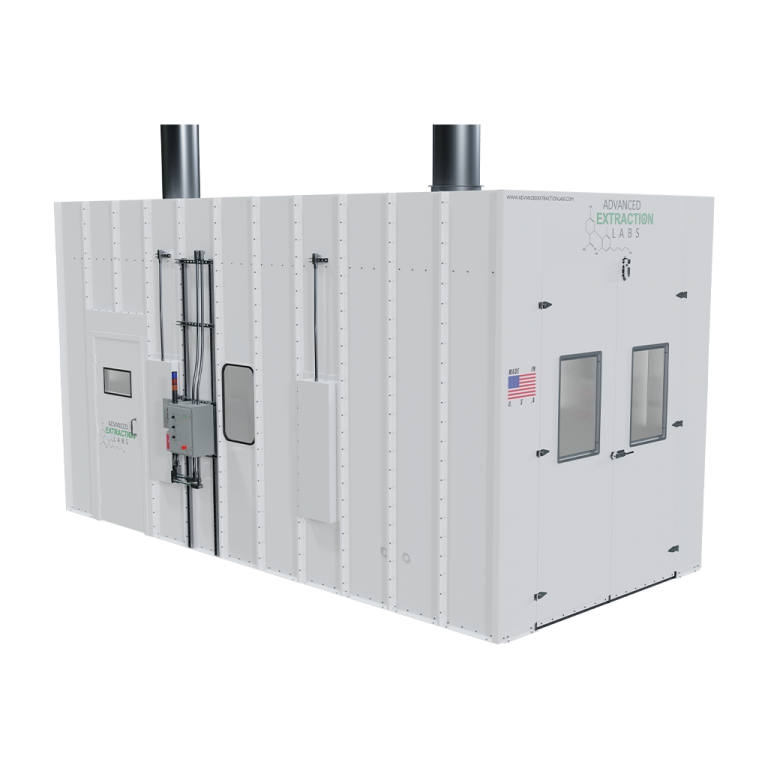
At Advanced Extraction Labs, we specialize in designing state-of-the-art ventilation systems for extraction facilities. Our solutions include:
- Custom-engineered HVAC and ventilation systems
- Explosion-proof airflow solutions for solvent-based extraction
- HEPA and ULPA filtration systems for GMP compliance
- Turnkey installation and regulatory guidance
Whether you’re setting up a new facility or upgrading an existing one, we ensure that your extraction lab meets OSHA, NFPA, and local compliance standards.
Optimize Your Lab’s Airflow Today
Improving airflow in your extraction lab is essential for safety, efficiency, and compliance. By implementing proper ventilation, pressure controls, filtration, and energy-efficient HVAC systems, you can protect your workforce and enhance the quality of your extracts.
Need help optimizing airflow in your facility? Contact Advanced Extraction Labs today for expert guidance and a custom ventilation solution tailored to your needs.