Navigating Extraction Regulations
The industry is evolving rapidly, and with it comes stricter regulations for extraction labs. Whether you’re launching a new extraction facility or managing an existing one, ensuring compliance is key to maintaining operations and avoiding costly penalties. In 2024, regulatory agencies are focusing on product safety, environmental impact, and worker protection.
In this blog, we’ll break down the key compliance requirements extraction labs must meet and provide actionable steps to stay ahead of regulatory changes.
Understanding Extraction Regulations
Each state has its own set of regulations, but most follow guidelines similar to those set by the Food and Drug Administration (FDA) and Occupational Safety and Health Administration (OSHA). Here are the primary areas of compliance:
- Licensing & Permits – Businesses must secure proper state and local permits before operating an extraction lab. Renewals and compliance audits are often required.
- Good Manufacturing Practices (GMP) – Following GMP standards ensures product consistency, quality control, and safety.
- Environmental Regulations – Extraction processes must comply with Environmental Protection Agency (EPA) guidelines to manage waste, emissions, and hazardous materials safely.
- Workplace Safety Standards – OSHA requires strict safety protocols, including ventilation, protective equipment, and emergency response procedures to minimize workplace hazards.
Steps to Ensure Compliance
1. Stay Updated on Local and Federal Laws
laws are constantly evolving. States frequently update extraction and processing requirements, and new federal guidelines may be introduced. Staying informed through official state websites and industry news sources is essential.
Resources to monitor for regulatory updates:
2. Implement GMP-Certified Processes
Good Manufacturing Practices (GMP) help standardize operations and ensure product consistency. Many extraction labs seek GMP certification to comply with FDA and state requirements. Key components of GMP compliance include:
- Standard Operating Procedures (SOPs): Documented guidelines for each stage of the extraction process.
- Equipment Maintenance: Regular calibration and servicing of extraction equipment to meet compliance standards.
- Product Testing & Traceability: Ensuring lab-tested products meet potency and purity standards before reaching consumers.
3. Prioritize Workplace Safety
extraction involves hazardous materials and processes, making workplace safety a top priority. To comply with OSHA standards, labs should:
- Install proper ventilation systems to reduce exposure to volatile solvents.
- Require personal protective equipment (PPE) for all employees.
- Implement fire suppression systems in Class I, Division 1 (C1D1) and Class I, Division 2 (C1D2) environments.
For more on OSHA’s role in extraction safety, visit OSHA’s official site.
4. Ensure Proper Waste Management
extraction produces chemical waste that must be disposed of safely. Labs must comply with EPA hazardous waste regulations, including:
- Properly labeling and storing chemical waste.
- Using certified waste disposal services.
- Reducing emissions through closed-loop extraction systems.
5. Maintain Accurate Records for Audits
Regulatory agencies frequently conduct compliance inspections. Keeping detailed records of equipment maintenance, batch testing, employee training, and waste disposal helps labs pass audits with ease.
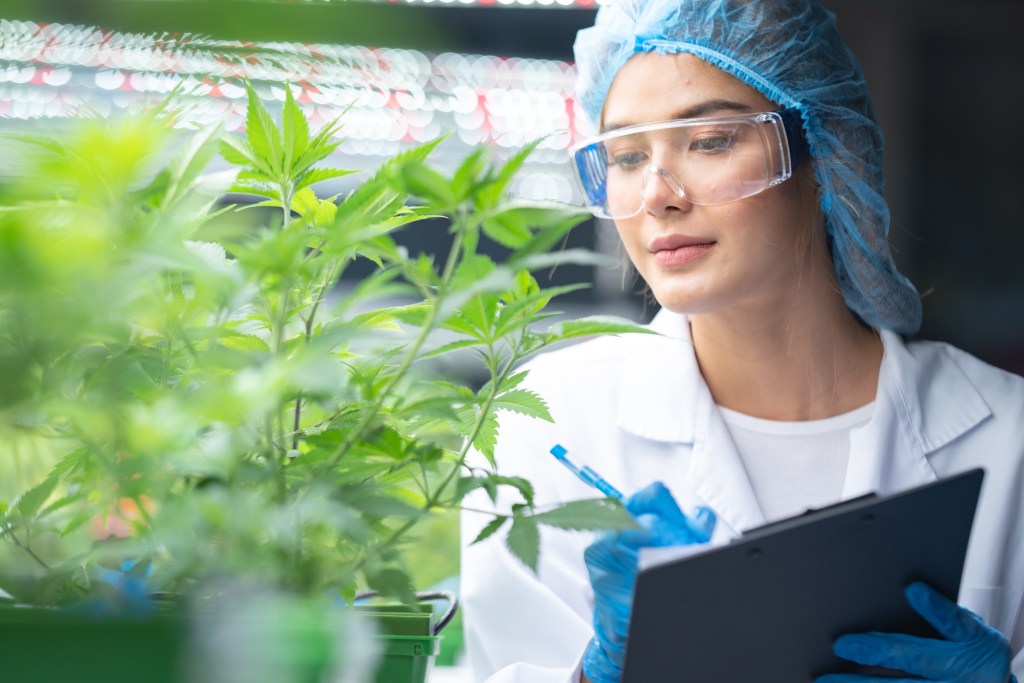
Compliance with extraction regulations in 2024 requires continuous effort, but staying ahead of changes can protect your business from legal issues and financial penalties. At Advanced Extraction Labs, we specialize in designing GMP-compliant extraction labs that meet all safety and regulatory standards.
Need expert guidance on compliance? Contact Advanced Extraction Labs today to ensure your extraction facility meets all current regulations; or learn how fire suppression also plays a key factor.