One of the most critical elements of running a extraction lab is ensuring proper ventilation. Whether you’re working with hydrocarbons, CO2, or ethanol, extracting cannabinoids involves handling volatile solvents that produce harmful fumes. Poor ventilation can not only disrupt your operation but also put your staff at risk of exposure to dangerous gases or even cause fires or explosions.
In this blog, we’ll explore why ventilation is so crucial in extraction labs, how to set up an effective ventilation system, and key compliance factors to keep in mind. Following these steps will help you create a safe, compliant, and efficient lab environment.
1. Why Ventilation is Crucial in Extraction
extraction processes, especially those that involve solvents like butane, propane, or ethanol, release hazardous vapors into the air. Without proper ventilation, these fumes can build up in the lab, creating health risks for employees and increasing the likelihood of accidents, such as fires or explosions.
Key Benefits of Proper Ventilation:
- Improves Air Quality: Removes harmful fumes and particulate matter from the air, ensuring a healthier work environment.
- Reduces Fire Risk: Proper airflow prevents the buildup of flammable vapors, reducing the chance of ignition.
- Compliance: Ventilation is required to meet safety regulations set by agencies like OSHA and NFPA.
Good ventilation protects both the people working in your lab and your equipment, while also helping you meet strict regulatory standards.
2. Design a Ventilation System to Match Your Extraction Method
Each extraction method requires a slightly different ventilation setup. Depending on whether you’re using hydrocarbon, ethanol, or CO2 extraction, your ventilation system will need to be tailored to the solvents and processes you use.
Ventilation by Extraction Method:
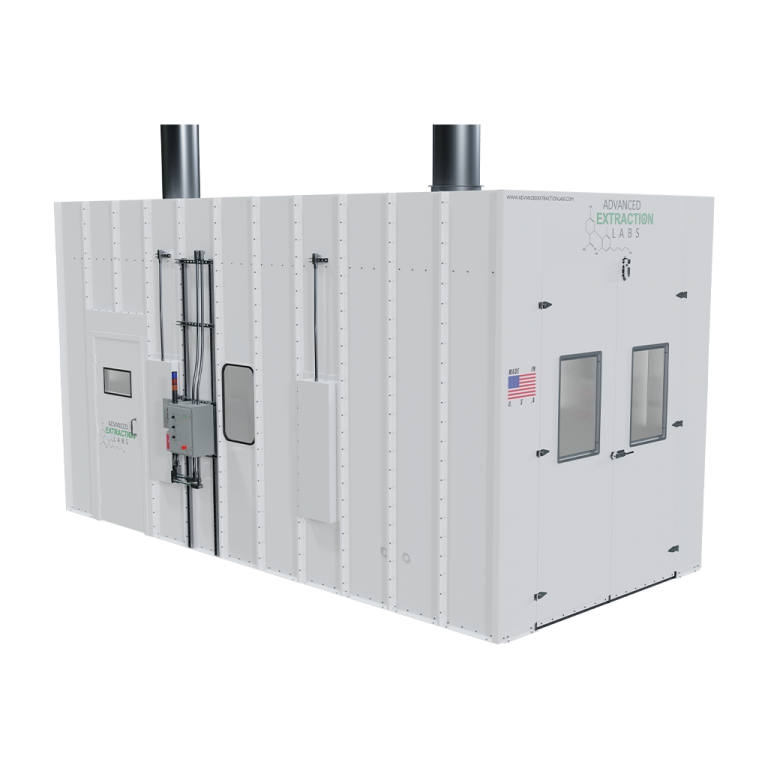
- Hydrocarbon Extraction (Butane/Propane): These solvents are extremely flammable, so your ventilation system must be capable of rapidly removing vapors. A C1D1 extraction booth with built-in explosion-proof ventilation is mandatory for these operations.
- Ethanol Extraction: While less volatile than hydrocarbons, ethanol extraction still requires good ventilation to remove harmful vapors. It’s also important to prevent ethanol vapors from accumulating to dangerous levels.
- CO2 Extraction: CO2 extraction produces less hazardous fumes but still benefits from ventilation to remove any trace amounts of gases and maintain clean air quality in the lab.
Choosing the right ventilation system based on your extraction method ensures safety and efficiency while meeting regulatory requirements.
3. Install Fume Hoods for Added Protection
Fume hoods are essential for containing and venting harmful gases produced during extraction and post-processing. They help capture fumes directly at the source, minimizing the risk of exposure for your staff.
Benefits of Fume Hoods:
- Source Control: Fume hoods pull fumes away from the workspace, keeping the air in the rest of the lab cleaner.
- Regulatory Compliance: Installing fume hoods helps meet the strict guidelines set by OSHA for handling hazardous chemicals.
- Protects Staff: Fume hoods reduce direct exposure to harmful vapors, protecting employees who work closely with extraction equipment.
Investing in high-quality fume hoods can drastically improve both safety and air quality in your extraction lab.
4. Ensure Proper Airflow Rates
A key component of a successful ventilation system is ensuring proper airflow rates. The rate of air exchange should be high enough to prevent the accumulation of harmful gases but not so high that it disrupts your lab’s operations or causes inefficiencies.
Ideal Airflow Rates:
- High Air Exchange: The lab should achieve a high number of air changes per hour (ACH) to continually refresh the air. Typical requirements are 10-12 ACH in solvent storage areas and 15-20 ACH in extraction areas.
- Explosion-Proof Fans: If you’re working with flammable solvents, your ventilation system should include explosion-proof fans that meet NFPA and OSHA guidelines.
- Duct Placement: Ensure that ducts and exhaust points are placed strategically to maximize airflow and avoid creating dead zones where fumes could accumulate.
Maintaining the proper airflow rate ensures that harmful vapors are removed efficiently, keeping the air in your lab clean and safe.
5. Monitor Air Quality with Fixed Gas Detectors
Installing gas detection systems is an added layer of protection that can alert your staff to dangerous levels of gases in the lab. These systems monitor air quality in real-time and provide early warnings if there’s an accumulation of hazardous vapors.
Gas Detection Systems:
- Fixed Gas Detectors: Placed in key areas of the lab, these devices continuously monitor air quality and trigger alarms if gas levels exceed safe thresholds.
- Portable Gas Detectors: Employees can carry portable detectors to monitor air quality in specific areas or during specific tasks, adding an extra layer of safety.
Real-time gas detection allows you to take quick action to address any ventilation issues before they become dangerous.
6. Maintain and Test Ventilation Systems Regularly
Setting up a ventilation system is only the first step. To ensure continued safety, your system must be regularly tested and maintained. Regular inspections and cleaning of ventilation equipment prevent the buildup of dust and debris, which could reduce the system’s efficiency.
Maintenance Checklist:
- Regular Filter Changes: Replace HEPA and carbon filters in your ventilation system regularly to keep it running at peak efficiency.
- Inspect Fans and Ducts: Check for any blockages, wear, or malfunctions in the fans and ductwork. Clogged ducts can reduce airflow and increase the risk of vapor buildup.
- Test Air Quality: Conduct regular air quality tests to ensure that the ventilation system is effectively removing harmful gases and keeping the air clean.
By staying on top of ventilation system maintenance, you ensure that your lab continues to operate safely and efficiently.
7. Comply with NFPA and OSHA Standards
Ensuring that your ventilation system is compliant with NFPA (National Fire Protection Association) and OSHA (Occupational Safety and Health Administration) regulations is critical to the safety of your extraction lab. These standards dictate how ventilation systems must be set up and maintained to ensure a safe working environment, particularly in labs handling flammable solvents.
Key Compliance Factors:
- NFPA 1 and NFPA 30: These standards cover fire safety in labs that handle flammable liquids and gases, including the proper ventilation requirements for C1D1 extraction booths.
- OSHA 1910: OSHA sets guidelines for air quality, hazardous chemical handling, and ventilation in workplaces. Meeting these standards helps protect your employees and ensures regulatory compliance.
Meeting NFPA and OSHA standards not only keeps your lab safe but also protects your business from costly fines or shutdowns.

Proper Ventilation is the Backbone of a Safe Extraction Lab
Proper ventilation is essential to maintaining a safe, compliant, and efficient extraction lab. Whether you’re handling hydrocarbons, ethanol, or CO2, a well-designed ventilation system will protect your staff from harmful fumes, reduce the risk of fire or explosion, and keep your lab compliant with safety regulations.
By focusing on airflow, ventilation equipment like fume hoods, and regular maintenance, you can create an environment that supports the long-term success of your extraction operation. For expert advice and high-quality ventilation systems, visit Advanced Extraction Labs—they offer a range of solutions tailored to the unique needs of extraction labs.