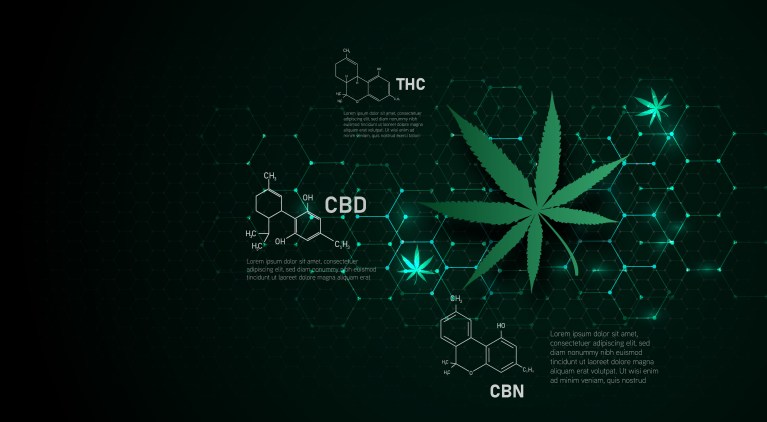
New research reveals that compounds like THC, CBD, and CBG show promising potential as anti-cancer agents. According to a review published in Discover Oncology, cannabinoids can inhibit tumor growth, limit cancer spread, and improve patient outcomes, particularly in palliative care. However, while these findings are exciting, researchers emphasize the need for more studies to fully understand the mechanisms behind cancer-fighting effects.
This blog will explore the key findings from the study, how cannabinoids work against cancer, and why continued research is crucial. Special thanks to Forbes for sharing insights from this important review.
The Study: Compounds in Cancer Research
An international team of researchers recently reviewed scientific literature on the anti-cancer properties of cannabinoids. Their analysis focused on three primary cannabinoids—delta-9 THC (Δ9-THC), cannabidiol (CBD), and cannabigerol (CBG)—to assess their potential for treating cancer.
Key Findings From the Study:
- Apoptosis (Cell Death): Cannabinoids can trigger cancer cell death.
- Cell Cycle Arrest: Cannabinoids may disrupt cancer cell replication.
- Anti-Angiogenesis: Cannabinoids prevent the formation of blood vessels that tumors need to grow.
- Metastasis Inhibition: These compounds may reduce the spread of cancer cells.
While these results indicate strong potential, the exact mechanisms through which cannabinoids work remain unclear. The study’s authors urge further research to fully understand how cannabinoids interact with cancer cells.
How Cannabinoids Work Against Cancer
Cannabinoids affect cancer cells through multiple mechanisms, including inducing apoptosis (programmed cell death) and autophagy (removing damaged cell parts). These compounds also inhibit proliferation by slowing cancer cell growth and prevent angiogenesis, the formation of new blood vessels that tumors use to spread.
Major Cannabinoid Actions:
- THC (Δ9-THC): Triggers apoptosis and slows tumor growth, but also has psychoactive effects.
- CBD (Cannabidiol): A non-psychoactive cannabinoid that shows strong anti-tumor properties.
- CBG (Cannabigerol): An emerging cannabinoid with potential to fight aggressive cancers.
Although promising, researchers note that these cannabinoids can have both inhibitory and stimulatory effects depending on the cancer type and dosage. This complexity underscores the need for precise understanding before widespread clinical use.
Challenges in -Based Cancer Treatments
While has been used medicinally for centuries, modern applications in cancer treatment face several challenges. Regulatory issues, psychoactive effects, and unclear dosing guidelines all complicate the integration of into oncology.
Key Challenges:
- Regulatory Barriers: Strict laws limit the scale of clinical research.
- Psychoactive Effects: THC’s psychoactive properties may be undesirable for many patients.
- Lack of Standardized Dosing: Determining the right dose of cannabinoids for different cancer types remains a challenge.
Despite these hurdles, researchers are optimistic about s future in cancer care but emphasize that more controlled trials are needed to establish safe, effective treatment protocols.
The Need for Further Cancer Research
Dr. Benjamin Caplan, author of The Doctor-ApprovedHandbook, praised the study’s findings but also called for more research, particularly randomized controlled trials. Caplan pointed out that different cannabinoids affect different cancer types in unique ways, and these interactions need to be studied further before -based treatments can become a standard in oncology.
Caplan also noted the potential risks of cannabinoids stimulating tumor growth in certain cancers, urging caution until more is known about how cannabinoids interact with the body’s cancer-fighting systems.
Future Research Priorities:
- Randomized Trials: To validate the effectiveness of cannabinoids against specific cancers.
- Personalized Treatment: Understanding which cannabinoids work best for different cancers.
- Mechanism Exploration: Clarifying how cannabinoids interact with cancer cells and the endocannabinoid system.

Role in Future Cancer Care
The review published in Discover Oncology provides compelling evidence that compounds like THC, CBD, and CBG offer significant anti-cancer potential. From inducing cancer cell death to preventing tumor spread, cannabinoids could one day become an essential tool in cancer treatment. However, more research is needed to fully understand how these compounds can be safely and effectively integrated into oncology care.
As the scientific community continues to study cannabinoids, could soon play a larger role in cancer therapies, offering patients new treatment options. For more in-depth coverage, be sure to check out the original article on Forbes.
See more information about Advanced Extraction Labs here. Or check out our other post about c1d1 vs c1d2 for more information.