Running a extraction lab requires strict attention to detail, not only in the extraction process but also in safety, compliance, and operational efficiency. With the rapid growth of the industry, it’s easy for lab operators to overlook key aspects that could lead to inefficiencies or, worse, safety hazards. Avoiding common mistakes in extraction labs can save you from costly downtime, fines, and potential accidents.
In this blog, we’ll cover some of the most frequent mistakes made in extraction labs and offer practical tips on how to avoid them. Whether you’re new to extraction or looking to improve your existing operation, these insights will help ensure smoother, safer, and more compliant lab operations.
1. Overlooking Key Safety Procedures
One of the most dangerous mistakes in any extraction lab is failing to follow proper safety protocols. Extraction involves flammable solvents like butane, propane, and ethanol, which can pose fire and explosion risks if not handled correctly.
Safety Training Mistakes to Avoid:
- Inadequate Ventilation: Poor airflow can allow flammable vapors to build up, increasing the risk of explosions. Make sure you have a robust ventilation system with explosion-proof fans.
- Improper PPE Use: Failing to require personal protective equipment (PPE) like flame-resistant clothing, gloves, and goggles can lead to severe injuries.
- Neglecting Fire Suppression Systems: Not maintaining or installing a reliable fire suppression system is a major oversight. Ensure fire extinguishers and automatic sprinklers are in place and regularly inspected.
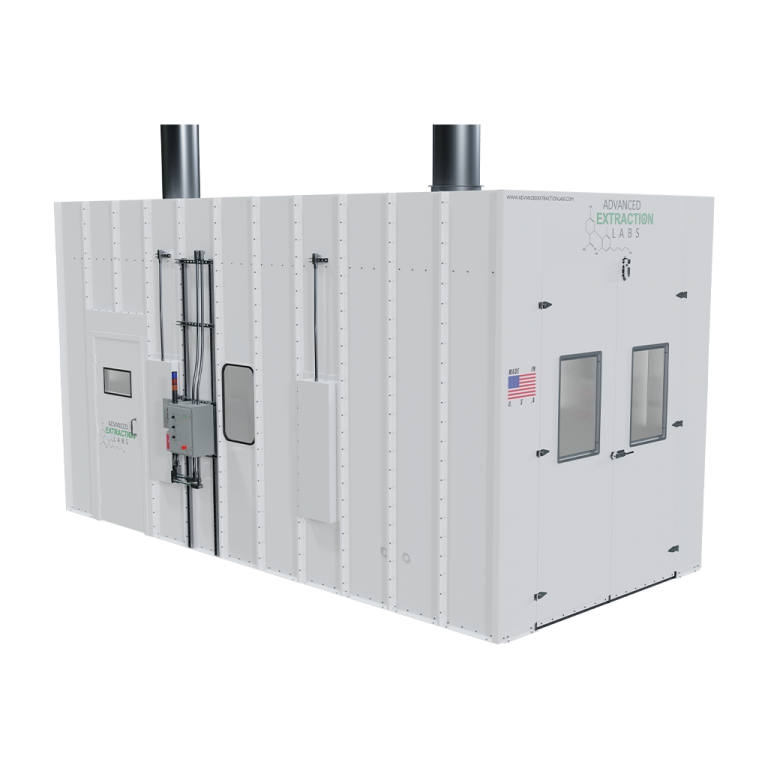
How to Avoid It: Establish clear safety protocols and conduct regular safety drills. Ensure your team understands the importance of safety gear and equipment maintenance. For added protection, check out C1D1 booths that provide safe, explosion-proof environments.
2. Ignoring Regulatory Compliance
extraction is subject to stringent regulations, and failing to comply with local and federal guidelines can result in fines, penalties, or even a forced shutdown of your lab. Unfortunately, regulatory compliance is often overlooked until it’s too late.
Common Compliance Issues:
- Improper Licensing: Failing to secure the proper licenses for extraction or solvent handling can lead to legal troubles.
- Non-compliant Equipment: Using extraction equipment that does not meet OSHA or NFPA standards puts your lab at risk of being non-compliant.
- Inadequate Documentation: Not keeping accurate records of safety inspections, equipment maintenance, and waste disposal can trigger compliance issues during audits.
How to Avoid It: Stay up-to-date on local and federal regulations, and ensure that all equipment, from extraction booths to solvent containers, meets safety standards. You can explore fully compliant booths and extraction solutions from Advanced Extraction Labs.
3. Poor Lab Layout Design
A cluttered or poorly designed lab layout can lead to inefficiencies, bottlenecks, and even safety hazards. Your extraction lab layout should be designed with a clear flow of movement for materials, personnel, and processes.
Layout Mistakes to Avoid:
- Crowded Workspaces: Placing equipment too close together can hinder movement and increase the likelihood of accidents.
- Lack of Designated Zones: Without distinct zones for raw material storage, extraction, post-processing, and packaging, contamination risks increase.
- Insufficient Ventilation Planning: Not accounting for proper airflow in lab layout design can lead to poor air quality and vapor buildup.
How to Avoid It: Plan your lab with workflow efficiency in mind. Ensure that C1D1 booths, fume hoods, and storage areas are placed strategically to optimize safety and productivity. For labs looking to expand, modular clean rooms offer flexibility and easy scalability.
4. Inconsistent Equipment Maintenance
One of the most preventable mistakes in extraction labs is failing to maintain equipment properly. Routine maintenance is key to ensuring your machinery operates efficiently and safely. Neglecting this can lead to equipment failure, product contamination, or safety risks.
Maintenance Mistakes to Avoid:
- Ignoring Daily Cleaning: Accumulation of residues in extraction equipment can lead to contamination and reduced efficiency.
- Not Replacing Worn Parts: Failing to replace gaskets, filters, or seals on time can cause leaks or system failures.
- Skipping Routine Inspections: Forgetting to regularly inspect pressure gauges, valves, or hoses can result in undetected wear, leading to equipment breakdowns.
How to Avoid It: Implement a preventive maintenance schedule that includes daily cleaning, regular inspections, and timely replacement of worn parts. For guidance, check out our detailed blog on equipment maintenance.
5. Inadequate Solvent Management
Proper solvent management is crucial for both safety and operational efficiency in extraction labs. Failing to handle, store, and dispose of solvents properly can result in contamination, safety risks, and environmental violations.
Solvent Management Mistakes:
- Improper Storage: Storing solvents in unapproved or unsafe containers increases the risk of leaks or fires.
- Failure to Recover Solvents: Not using solvent recovery systems leads to higher operational costs and more waste.
- Neglecting Hazardous Waste Protocols: Improper disposal of solvent waste can result in environmental fines and health hazards.
How to Avoid It: Store solvents in certified chemical solvent containers, implement solvent recovery systems to reduce waste, and follow all local and federal hazardous waste disposal regulations.
6. Lack of Employee Training
Your equipment is only as safe as the people operating it. One of the most common mistakes labs make is failing to properly train staff on equipment use, safety protocols, and emergency procedures.
Training Mistakes:
- Inadequate Safety Training: Employees who don’t understand how to safely handle solvents or use PPE can create safety hazards for the entire lab.
- Improper Equipment Use: Misusing extraction systems or failing to follow operational procedures can lead to accidents or equipment damage.
- No Emergency Drills: If employees don’t know how to respond in case of a fire, spill, or explosion, the consequences can be disastrous.
How to Avoid It: Invest in comprehensive safety training and ensure all employees are well-versed in the lab’s safety protocols. Regularly review emergency procedures and conduct fire drills to ensure staff are prepared for any situation.
7. Cutting Corners on Equipment Quality
Investing in high-quality extraction equipment is essential for both safety and efficiency. Cutting corners by purchasing low-quality or non-compliant equipment might save you money upfront but could lead to much bigger expenses later.
Equipment Quality Mistakes:
- Non-Compliant Equipment: Using equipment that doesn’t meet C1D1 or OSHA safety standards can result in fines, shutdowns, or accidents.
- Outdated Systems: Relying on outdated or poorly maintained equipment can slow down production and create unsafe conditions.
- Incompatible Equipment: Using equipment that isn’t designed for your extraction method can lead to inefficient workflows and product inconsistencies.
How to Avoid It: Always choose equipment from reputable manufacturers that meets safety and regulatory standards. Investing in high-quality C1D1 booths, extraction systems, and ventilation solutions from trusted providers like Advanced Extraction Labs will help ensure safe and efficient operations.

Avoiding Mistakes for a Safer, More Efficient Lab
Running a extraction lab involves navigating a range of safety, compliance, and operational challenges. By avoiding these common mistakes—whether it’s neglecting safety protocols, ignoring equipment maintenance, or overlooking compliance requirements—you can ensure your lab runs safely, efficiently, and profitably.
For top-quality extraction booths, modular labs, and compliant equipment, visit Advanced Extraction Labs. We provide the tools and expertise you need to avoid costly mistakes and create a safe, productive extraction environment.