
ENERGYCUBE
Advanced Extraction Labs
AEL
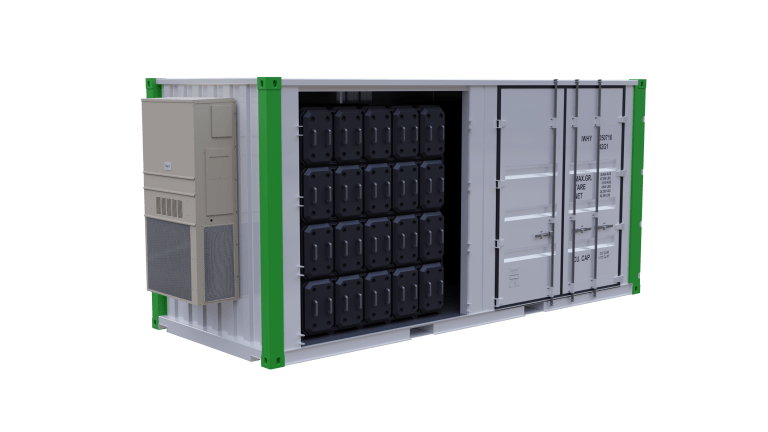
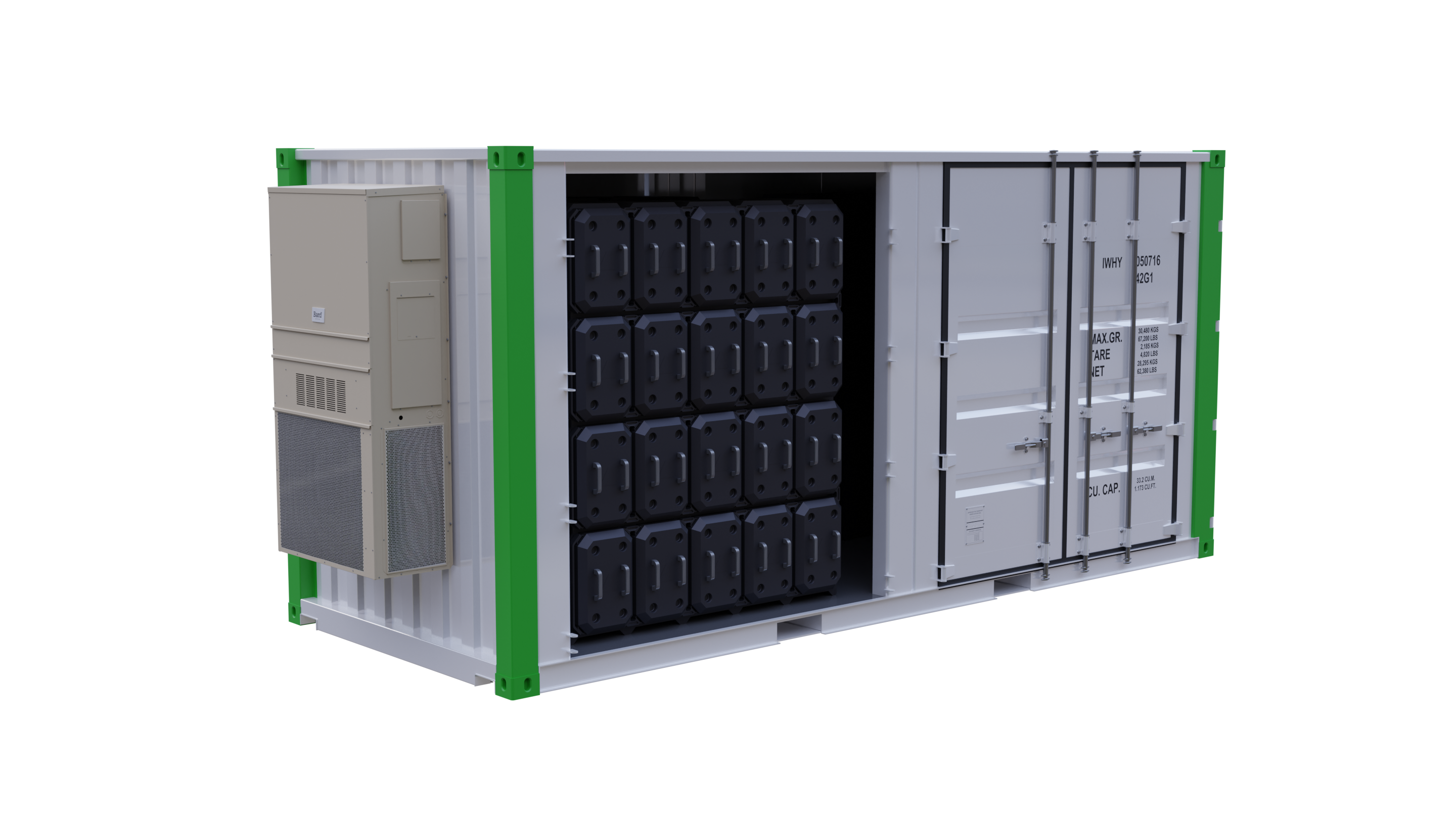
Key Features of Our Energy Cubes™
Battery Storage Building
Maintaining the right temperature is vital for battery storage. Our buildings offer both air conditioning and heating options, ensuring an optimal storage environment.
Fire Suppression:
Safety is paramount, especially with battery storage. Our buildings come equipped with fire suppression systems, swiftly containing fires to prevent escalation.
Sump Liners:
To enhance safety measures, our buildings feature sump liners. These liners contain potential leaks or spills, making cleanup easier and providing an additional layer of protection.
Fiberglass Floor Grating:
For durability and functionality, our buildings incorporate fiberglass floor grating. This choice offers corrosion resistance, structural support, and promotes airflow and drainage.
Fire Rating:
Our buildings boast a fire-rated design of up to four hours, indicating superior fire resistance. This feature is crucial for containing and preventing fire spread in case of an incident.
AEL Energy Cubes™
Address critical aspects such as safety, environmental control, and structural integrity essential for battery storage. Customization options are available; please consult with our sales associate.
Energy Storage Containers

AEL
Lithium-Ion Battery Storage & Charging
For tailored battery storage solutions, it’s advisable to collaborate closely with professionals from Securall. This ensures that the design aligns with your specific requirements and complies with safety standards and regulations.
Charge Level:
For extended storage, it's recommended to maintain lithium-ion batteries within a charge level of 40% to 60%. This range prevents excessive discharge, minimizing capacity loss.
Temperature:
Store batteries in a cool, dry environment, ideally between 20°C (68°F) and 25°C (77°F), to preserve performance. Avoid exposure to direct sunlight, heat sources, or freezing conditions to prevent damage.
Avoid Full Discharge:
Prevent over-discharge, as deep discharge states can lead to capacity loss and other issues. Regularly check the charge level and recharge batteries as needed based on manufacturer recommendations.
Follow Manufacturer's Guidelines:
Adhere to specific storage guidelines provided by the manufacturer, as recommendations may vary depending on device and battery type.
Safety Considerations:
Inspect batteries for physical damage before storage, as damaged batteries pose safety risks. Following these guidelines ensures the health and performance of lithium-ion batteries during storage.
Consider an Easy Access Battery Storage Building with Multiple Doors:
Our buildings offer convenient access and multiple entry points for efficient battery storage management.
Request a Quote for Storing Lithium-Ion Batteries:
Our buildings offer convenient access and multiple entry points for efficient battery storage management.
Lithium-Ion Batteries
Chemistry:
The fundamental chemistry of lithium-ion batteries revolves around the movement of lithium ions between the positive (cathode) and negative (anode) electrodes. Common cathode materials include lithium cobalt oxide (LiCoO2), lithium manganese oxide (LiMn2O4), lithium iron phosphate (LiFePO4), among others.
Energy Density:
One of the primary advantages of lithium-ion batteries is their remarkable energy density, allowing them to store a significant amount of energy in a compact and lightweight package. This characteristic makes them well-suited for portable electronic devices like smartphones, laptops, and tablets.
Rechargeability:
Lithium-ion batteries are rechargeable, enabling them to be used over multiple charge-discharge cycles. However, they do have a limited lifespan, and their performance may decline over time due to factors such as cycling, temperature, and age.
Memory Effect:
Unlike some other rechargeable battery types, lithium-ion batteries typically do not suffer from a memory effect. This means they do not require full discharge before recharging, and partial discharges have minimal impact on their overall performance.
Safety Concerns:
While generally safe for everyday use, lithium-ion batteries have been associated with occasional reports of thermal runaway and fires, particularly in cases of manufacturing defects or physical damage. Manufacturers incorporate safety features such as thermal protection, overcharge
Applications:
Lithium-ion batteries find wide-ranging applications, including consumer electronics, electric vehicles (EVs), power tools, and renewable energy systems. The increasing demand for electric vehicles has spurred advancements in lithium-ion battery technology to enhance energy density, charging speed, and overall performance.
Charging Characteristics:
Lithium-ion batteries typically exhibit faster charge times compared to other rechargeable battery types. However, it's crucial to control the charging process to prevent overheating and ensure the battery's longevity.
Environmental Considerations:
Although considered more environmentally friendly than some alternatives, the production of lithium-ion batteries involves the extraction of rare metals and minerals. Recycling programs for lithium-ion batteries are being developed to address environmental concerns and promote sustainability.
AEL LABS offers a comprehensive solution for designing storage lockers or buildings
tailored to the unique requirements of storing lithium-ion batteries. Custom options are available; please inquire with our sales associate
Critical Lithium Battery Storage and Charging in Military Operations
Lithium batteries are pervasive in military operations, powering essential equipment such as drones, UAVs, and communication devices. Additionally, numerous other equipment types rely on single-use lithium batteries for power. Despite their widespread use, not everyone is fully aware of the hazards associated with lithium batteries and the importance of safe storage practices. An incident involving a lithium battery explosion and fire at a military base resulted in the destruction of $80,000 worth of critical battery inventory, exacerbating the situation as it occurred in a personnel-occupied building.
Key Points on Lithium Battery Storage
Lack of Universal Standard:
Currently, there is no universal standard for lithium battery storage, as the NFPA has yet to establish defined requirements. While many regulators have issued helpful guidelines through white papers, a standard code is still lacking.
Hazardous Interaction with Water:
Lithium and water are a dangerous combination. In an incident mentioned earlier, water sprayed onto a smoking battery during charging led to a lithium explosion. Hot lithium reacts violently when in contact with water, causing nearby lithium-ion batteries to explode and burn.
Proper Handling of Discharged Batteries:
It's essential to drain or drawdown lithium batteries before recharging them. Failing to do so can lead to a memory effect that shortens the battery's lifespan.
Approach to Lithium Fires:
Lithium fires should not be fought directly; instead, they should be contained and allowed to burn out. Lithium fires are notoriously challenging to extinguish, as they tend to self-reignite even after appearing dormant.
Fire Risk of Non-Rechargeable Batteries:
Non-rechargeable lithium batteries, also known as secondary batteries, pose a fire risk and should be stored upright and individually wrapped to prevent contact that could lead to ignition.
Hazardous Nature of Discarded Batteries:
Non-rechargeable lithium batteries, also known as secondary batteries, pose a fire risk and should be stored upright and individually wrapped to prevent contact that could lead to ignition.
Distinction Between Charging Buildings and Storage Containers:
Lithium ion battery charging buildings differ from storage containers due to the hazards associated with large quantities of lithium batteries. Charging buildings are better suited for these risks and are akin to chemical storage buildings.
Given the risks involved in storing and charging lithium batteries, it's crucial to seek a storage solution from a company with extensive industry experience and a thorough understanding of your specific needs.
AEL LABS:
Your Solution for Lithium Battery Storage
AEL LABS offers custom chemical storage buildings tailored for lithium battery storage in mission-critical applications. With options for single and multi-room configurations, our solutions enable the separation of charging stations from battery storage. Additionally, all lithium ion battery charging stations come equipped with master battery management modules to ensure uniform charging and monitor battery health and temperature. Our buildings feature climate control to maintain optimal temperatures.
Considerations such as fire rating are taken into account, with choices available based on proximity to personnel-occupied buildings and specific application requirements. Our prefabricated buildings offer a cost-effective alternative to traditional onsite construction
projects, allowing for prompt installation upon delivery. Contact AEL labs to Safeguard Your Mission-Critical Applications.
AEL LABS specializes in supplying lithium battery storage buildings for military applications, customizing solutions to support the mission and maintain preparedness for UAV and AUV battery storage. Learn more about our lithium ion battery charging and storage solutions by reaching out to us today.
Welcome to Energy Cubes: Revolutionizing EV Charging with Shipping Container Stations
At Energy Cubes, we're pioneering sustainable solutions for electric vehicle (EV) charging infrastructure. Our innovative approach merges eco-friendliness with practicality by transforming repurposed shipping containers into state-of-the-art EV charging stations. Please note that while we provide the housing for the charging infrastructure, we do not supply the battery.
Why Shipping Containers?
Shipping containers are robust, readily available, and inherently modular. By repurposing these containers, we're not only giving them a new lease on life but also contributing to the reduction of waste and carbon footprint. It's a win-win for both the environment and EV users.
AEL
Features of Our EV Charging Stations
Modular Design:
Each charging station is built using modular shipping containers, allowing for easy scalability and customization. Whether you need a single charging unit or a network of stations, we can tailor the configuration to meet your specific requirements.
Fast and Efficient Charging:
Our stations are equipped with cutting-edge charging technology, including fast chargers capable of delivering high-speed charging to EVs of all makes and models. Say goodbye to long charging times and hello to more time on the road.
User-Friendly Interface:
We prioritize user experience, which is why our stations feature intuitive interfaces that make charging your EV a breeze. Simply plug in, authenticate your payment method, and monitor the charging progress through our user-friendly app or touchscreen display.
24/7 Accessibility:
Whether it's day or night, our charging stations are accessible round the clock, ensuring that EV drivers always have convenient access to reliable charging infrastructure.
Off-Grid Capabilities:
In remote or off-grid locations, our stations can be equipped with solar panels and energy storage solutions, providing sustainable charging options even in areas with limited access to the grid.
Durability and Security:
Built from rugged steel shipping containers, our stations offer unparalleled durability and security. Rest assured that your EV and personal data are protected while charging at an EcoCharge station.
Environmental Impact:
At Energy Cubes, we're committed to sustainability every step of the way. By repurposing shipping containers and integrating renewable energy sources, we're minimizing our carbon footprint and promoting a cleaner, greener future for transportation.
Get in Touch:
Ready to join the electric revolution? Whether you're a business looking to install EV charging infrastructure or an EV owner in need of reliable charging options, Energy Cubes has you covered. Contact us today to learn more about our shipping container EV charging stations and how we can support your sustainable mobility initiatives. Together, let's power the future of transportation.
Efficiency
Our labs are engineered to increase your facility's overall efficiency and production.
Turnkey
All C1D1 extraction labs come with every component you will need to get started.
Safety
Providing a safe work environment for lab technicians and operators who are using our extraction labs.
Fully Customizable
Need a custom size? We manufacture all labs in-house and can accommodate any size you may need.
Why Do You Need Battery Backup Power?
To enhance safety measures, our buildings feature sump liners. These liners contain potential leaks or spills, making cleanup easier and providing an additional layer of protection.