extraction often relies on solvents like ethanol, butane, and propane to create high-quality concentrates. However, improper storage of these flammable substances poses significant safety risks, including fires, explosions, and compliance violations.
Solvent safety doesn’t just protect your team—it ensures your lab operates efficiently while meeting strict regulatory standards. This blog covers best practices for solvent storage, tips for maintaining compliance, and the latest innovations in storage solutions for extraction labs.
1. Why Proper Solvent Storage Matters
Solvents are essential in many extraction methods, such as hydrocarbon and ethanol extraction. While these substances are highly effective, they are also classified as hazardous materials, meaning they require special handling and storage procedures.
Risks of Improper Solvent Storage:
- Fire and Explosion Hazards: Flammable solvents can ignite if exposed to sparks, heat, or improper ventilation.
- Health Risks: Prolonged exposure to solvent fumes can cause respiratory issues or other health complications.
- Regulatory Penalties: Non-compliance with storage regulations can lead to fines, legal action, or even lab shutdowns.
Investing in proper solvent storage solutions minimizes these risks and ensures a safer workspace for everyone involved.
2. Key Regulations for Solvent Storage
extraction labs must follow strict guidelines for solvent storage to comply with local, state, and federal regulations. Failing to meet these requirements can result in costly fines or operational delays.
Key Compliance Standards:
- NFPA Standards: The National Fire Protection Association (NFPA) provides guidelines for the safe storage of flammable and combustible liquids, such as NFPA 30.
- OSHA Guidelines: The Occupational Safety and Health Administration (OSHA) mandates proper labeling, handling, and ventilation of hazardous chemicals.
- EPA Requirements: The Environmental Protection Agency (EPA) regulates the disposal of solvent waste to protect the environment.
For additional guidance, refer to OSHA’s Hazardous Materials Standards.
3. Best Practices for Storing Solvents
Proper storage of solvents requires careful planning, investment in high-quality equipment, and adherence to safety protocols. Here’s how to ensure safe and compliant storage in your lab.
Use Fire-Rated Storage Cabinets
Fire-rated cabinets are specifically designed to store flammable solvents. These cabinets are built to withstand high temperatures and prevent fires from spreading.
- Features to Look For: Self-closing doors, ventilation ports, and chemical-resistant coatings.
- Compliance: Choose cabinets that meet NFPA 30 and OSHA standards for flammable liquid storage.
Implement Proper Ventilation
Storing solvents in a poorly ventilated area increases the risk of vapor buildup, which can lead to explosions.
- Explosion-Proof Ventilation Systems: Install ventilation systems that are specifically designed for hazardous materials.
- Dedicated Storage Rooms: If possible, store solvents in a separate, well-ventilated room to minimize risks.
Label and Segregate Solvents
Keep your storage area organized by labeling all solvent containers and segregating incompatible chemicals.
- Proper Labeling: Include hazard warnings, expiration dates, and storage instructions.
- Chemical Compatibility: Separate flammable solvents from oxidizers and acids to prevent dangerous reactions.
Use Secondary Containment Systems
Secondary containment systems, such as spill trays or bunded pallets, prevent leaks and spills from spreading.
- Spill Management: Ensure that all solvent storage areas have secondary containment systems in place.
- Capacity: Containment systems should hold at least 110% of the largest container’s volume.
4. Innovations in Solvent Storage
As the industry grows, so does the need for advanced solvent storage solutions. Manufacturers are introducing innovative products designed to improve safety, compliance, and efficiency.
Smart Storage Cabinets
Smart cabinets are equipped with sensors that monitor temperature, humidity, and VOC (volatile organic compound) levels.
- Real-Time Alerts: Receive notifications if conditions exceed safe limits.
- Data Logging: Track storage conditions for compliance audits.
Explosion-Proof Containers
Modern storage containers are designed to withstand extreme conditions and prevent solvent vapors from escaping.
- Durable Materials: Made from stainless steel or other chemical-resistant materials.
- Sealed Lids: Prevent vapor leaks and reduce fire hazards.
Modular Storage Solutions
Modular systems allow labs to scale their storage capacity as needed, providing flexibility for growing operations.
- Customizable Configurations: Adapt storage units to fit your lab’s layout.
- Space Efficiency: Maximize storage in compact areas.
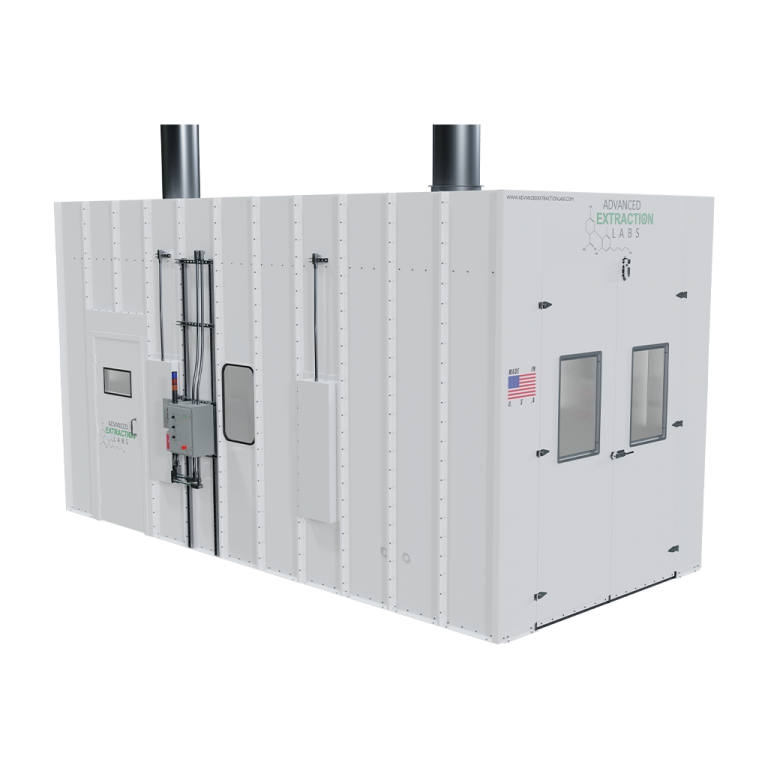
Advanced Extraction Labs offers a variety of customizable solvent storage solutions designed to meet the needs of modern extraction facilities.
5. Training and Maintenance
Even the best storage solutions are ineffective without proper employee training and regular maintenance. Make sure your team understands how to handle solvents safely and keep your storage systems in optimal condition.
Employee Training
- Chemical Safety: Train employees on how to handle, store, and dispose of solvents properly.
- Emergency Response: Conduct drills to prepare for potential spills, fires, or other emergencies.
Regular Inspections
- Cabinet Integrity: Check fire-rated cabinets for signs of wear or damage.
- Ventilation Systems: Ensure that all fans and ducts are functioning correctly.
- Spill Containment: Inspect secondary containment systems for leaks or overflows.

Protect Your Team and Stay Compliant
Safe solvent storage is a critical aspect of running a successful extraction lab. By investing in fire-rated cabinets, implementing proper ventilation, and staying up-to-date with compliance requirements, you can protect your team, ensure regulatory compliance, and maintain operational efficiency.
For cutting-edge solvent storage solutions and expert guidance, visit Advanced Extraction Labs. For additional safety standards, explore OSHA’s Hazardous Materials Guidelines. Find out how new kitchen technologies are also crucial for a better lab experience.